
Alexandria honors McArthur Myers with week of remembrance
Residents invited to leave flowers at more than 20 historic markers championed by beloved historian

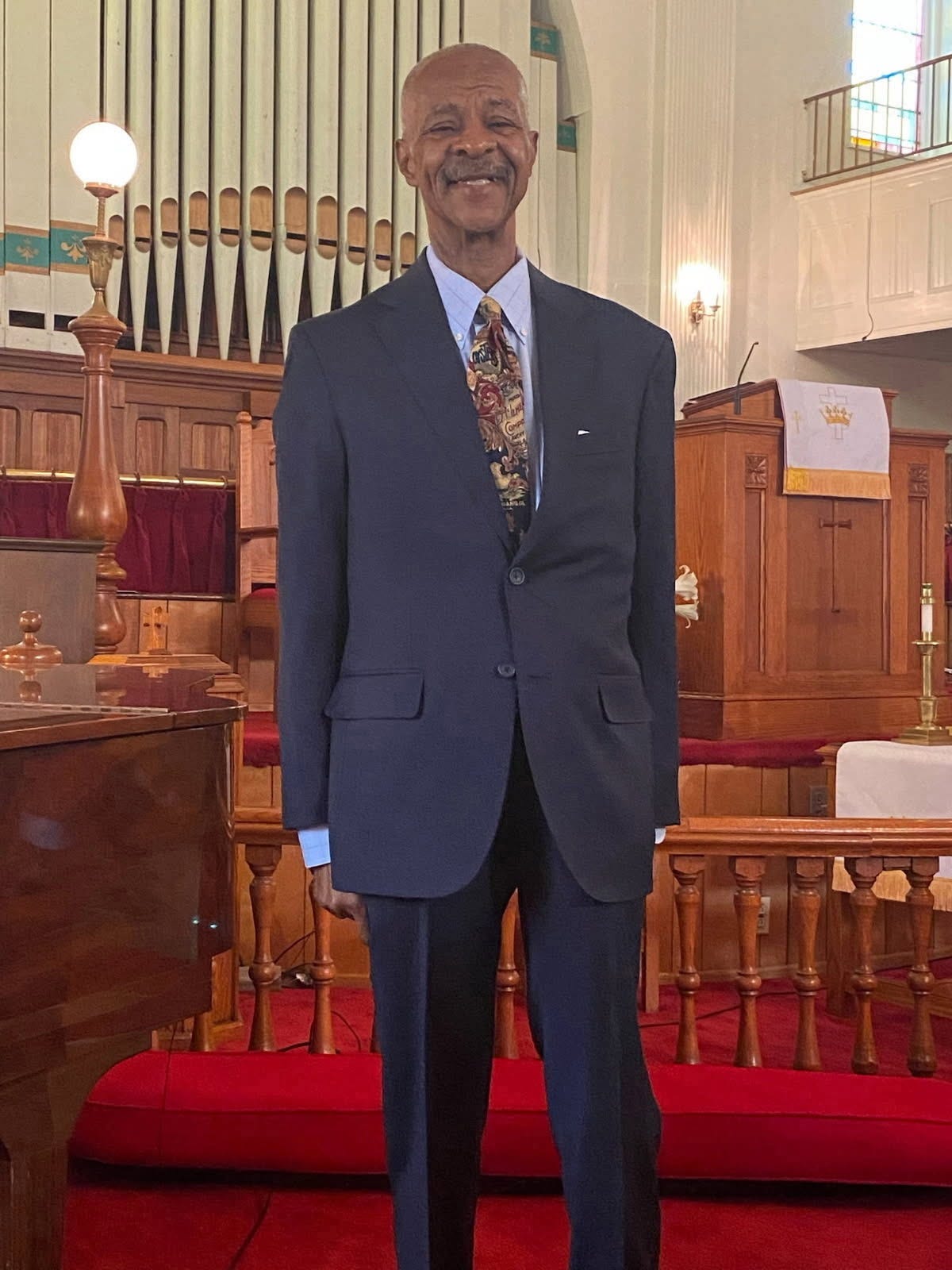
The African American Heritage Trail Committee and the Office of Historic Alexandria are inviting the public to join in a week of remembrance for McArthur Myers, local historian and community activist, who passed away on Dec. 4.
Funeral services were held this morning at the George Washington Masonic National Memorial. A viewing took place from 10 a.m. to noon in the memorial’s theater, followed by the service.
From today through Dec. 21, Alexandria residents are invited to pay tribute to Myers and the city’s African American history by placing small bouquets of flowers at some of the many historic markers he closely championed. An interactive map shows all the marker locations.
Myers, a beloved community member, believed that Alexandria’s history — good and bad — should be told throughout the city. His vision and efforts led to the creation and installation of more than 20 historic markers within Alexandria.
As a member of the African American Heritage Trail Committee, Myers led the vision and efforts to create two waterfront trails that illuminate the history of the Black community over a span of several centuries.
Myers dedicated his passion and energy to ensuring that Alexandria’s lynching victims, Benjamin Thomas and Joseph McCoy, would never be forgotten. In partnership with RiverRenew, his unwavering commitment to African American history resulted in new historic interpretation signs throughout the Alexandria African American Heritage Park.
Myers ensured that the legacy of Martin Luther King Jr. would be etched in stone in Alexandria on two granite benches — one of which now also bears Myers’ own name. He was also integral in the installation of state historic highway markers, including one about Third Baptist Church and Universal Lodge No. 1, the oldest Prince Hall Lodge in Virginia.
The markers Myers championed span the breadth of Alexandria’s African American experience: the domestic slave trade, the story of George Henry (an enslaved ship captain), the historic neighborhoods of Hayti and Fishtown, Zion Baptist Church, the Torpedo Factory, and many more.
For more information about Alexandria’s African American history initiatives, visit the Historic Alexandria webpage.