Table of Contents
Decisions being made in Richmond over the next three weeks could significantly affect Alexandria's finances in both directions, city officials told City Council at a Wednesday budget work session, adding state-level uncertainty to an already tight proposed $977.3 million fiscal year 2027 budget.
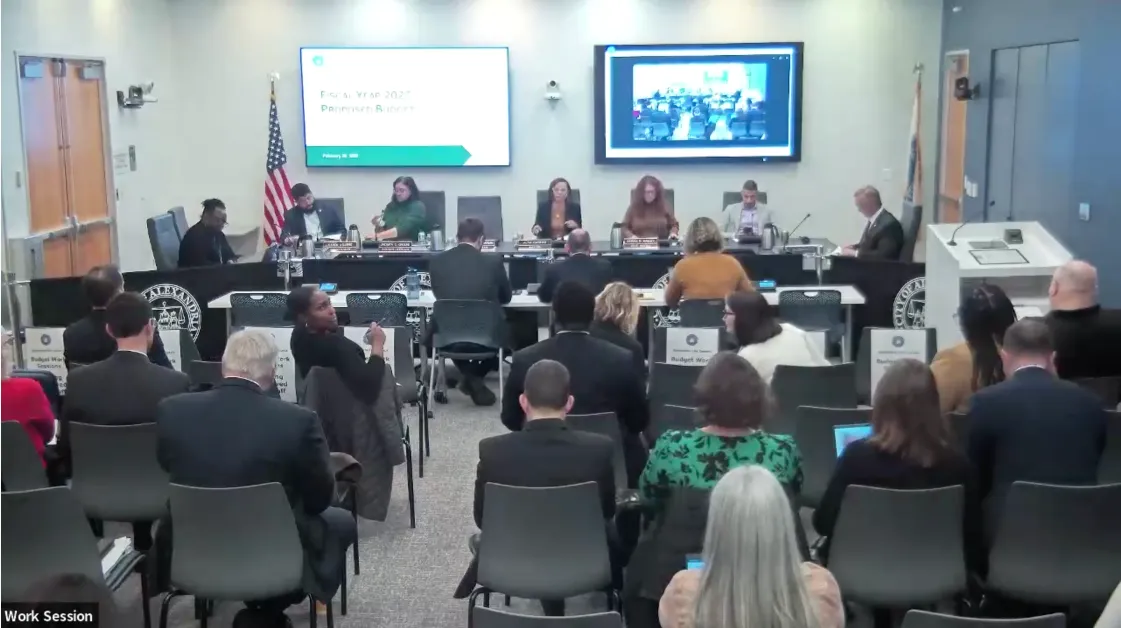
The work session at the Del Pepper Community Resource Center, the first of eight scheduled this budget cycle, covered capital spending, revenues, fee adjustments, economic development, and a legislative update from Wendy Ginsberg, the city's legislative director, who was appointed in July 2025. The General Assembly session adjourns March 14, with the governor's action period extending through April 22.
 Ryan Belmore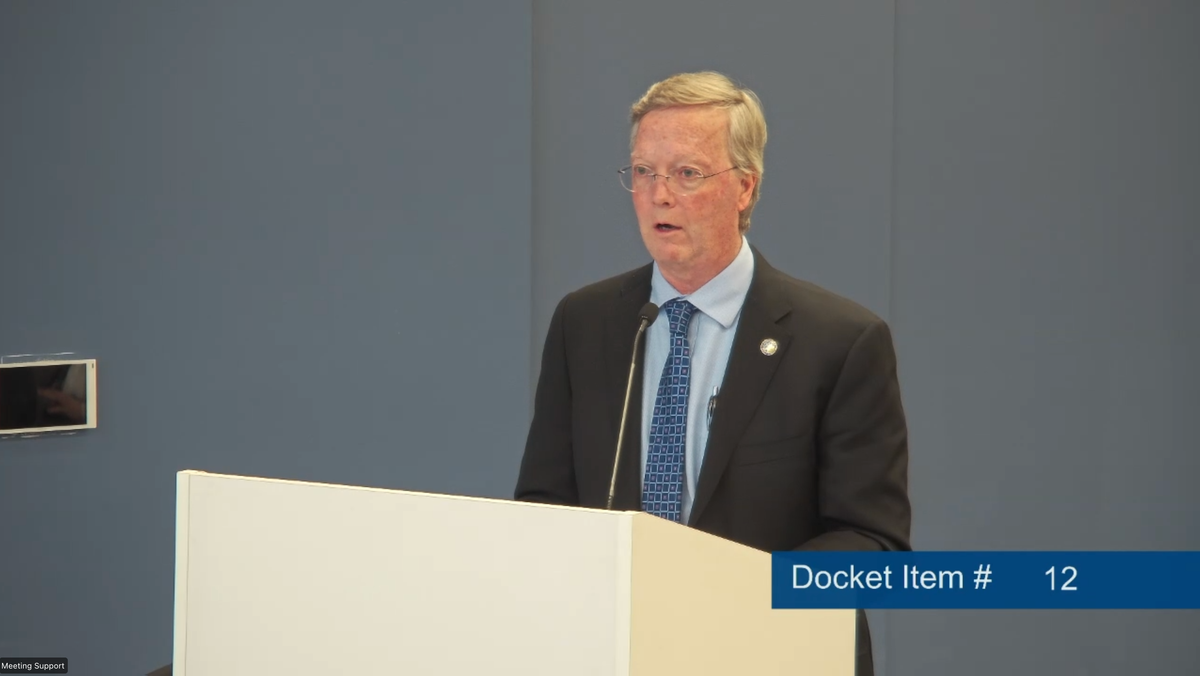
WMATA funding gap threatens $21 million hit
The single largest external threat is a $153 million gap in WMATA's FY 2027 operating budget. If the state fails to close it, Alexandria would need to absorb approximately $21 million annually — an amount Ginsberg described as roughly half of DASH's total annual operating cost.
The House budget bill proposes one-time general fund support to cover the gap for a single year. The Senate proposal takes a different approach, accelerating the expiration of a data center sales tax exemption to generate transit capital funding — but providing little for WMATA's operating costs, leaving the city still facing the full $21 million exposure in FY 2027.
"None of them made it past crossover," Ginsberg said, referring to failed efforts to pass long-term sustainable WMATA funding legislation this session. The proposed FY 2027 budget already includes a $7 million increase in metro contributions.
School construction sales tax could generate $40 million a year
On the revenue side, both the House and Senate are advancing legislation that would allow localities to impose a sales and use tax of up to 1% dedicated solely to school construction, subject to voter approval. Alexandria's share could reach $40.5 million per year — a figure that would directly address the $88.7 million in school capital projects City Manager James Parajon has placed in a contingency reservation pending land use decisions, including potential renovations at Jefferson-Houston, Patrick Henry, and Cora Kelly Elementary School.
The House and Senate versions differ on one key point: the House allows the revenue to be used for debt service; the Senate does not. That distinction matters significantly for how Alexandria could deploy the funds.
Ginsberg also flagged potential state teacher pay increases that could affect ACPS. The House proposes an optional $1,500 teacher bonus in FY 2026 that unlocks additional flexible funding in FY 2027, plus a 2% annual pay increase. The Senate proposes a 3% salary increase for funded instructional and support positions. State funding would cover only a portion of any increase — Alexandria typically funds approximately 80% of school pay-related costs. Alexandria's estimated FY 2027 state school distribution is $83.2 million, up from $77.2 million in FY 2026.
Freedom House elevator, UASI funding unresolved
The city's request for $2 million to construct an elevator at the Freedom House Museum — providing access to the basement where enslaved men were held before being trafficked to the Deep South — received $1 million in matching funds from the Senate. The House was silent. The question goes to conference.
The city also requested $12.2 million to replace the removed federal Urban Area Security Initiative funding supporting regional national security efforts. The House included $3.2 million; the Senate included nothing.
Statewide collective bargaining mandate raises concerns
Both chambers are advancing legislation that would require collective bargaining statewide and mandate binding arbitration when negotiations reach impasse — potentially shifting final fiscal authority from elected officials to a third party. The bills contain no safeguard tied to a locality's revenue capacity. City staff have been actively working with bill patrons, Ginsberg said, offering Alexandria's perspective as a city that has already implemented collective bargaining and understands the importance of local budget constraints.
200 block of King Street
Mayor Alyia Gaskins raised the possibility Wednesday of a $300,000 investment in temporary platforms for the 200 block of King Street — similar to those on the 100 block — to create a more activated streetscape while City Hall is under renovation and the surrounding area loses a key public gathering space. Deputy Transportation Director Hillary Orr confirmed the platforms are movable and could be reused elsewhere when permanent street work moves forward.
Parajon indicated the investment could be funded through one-time operating funds rather than the CIP. Staff was asked to provide a memo on ongoing maintenance costs for the 100 block as a baseline.
You can watch the entire meeting below and here.
Thursday public presentation
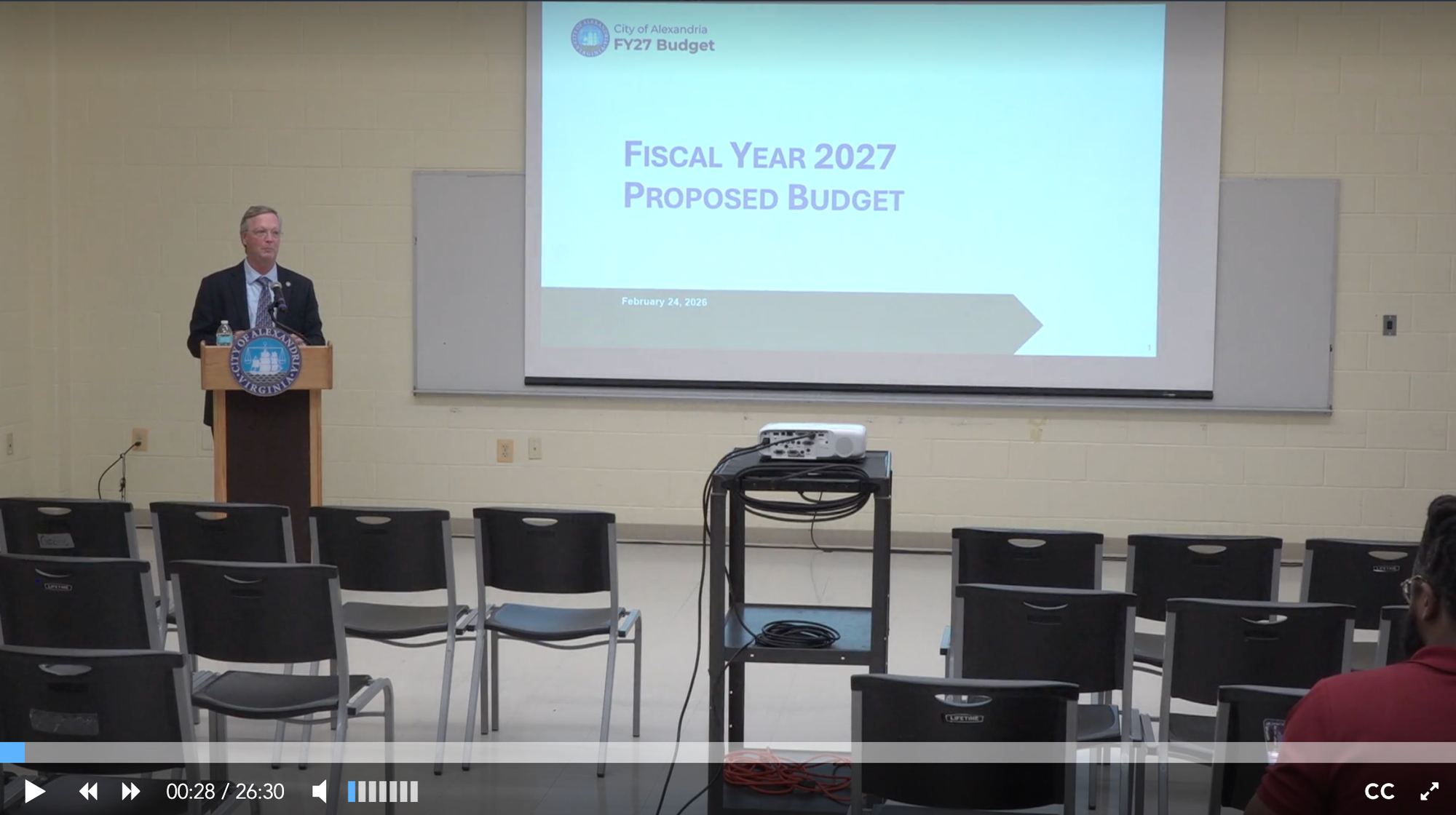
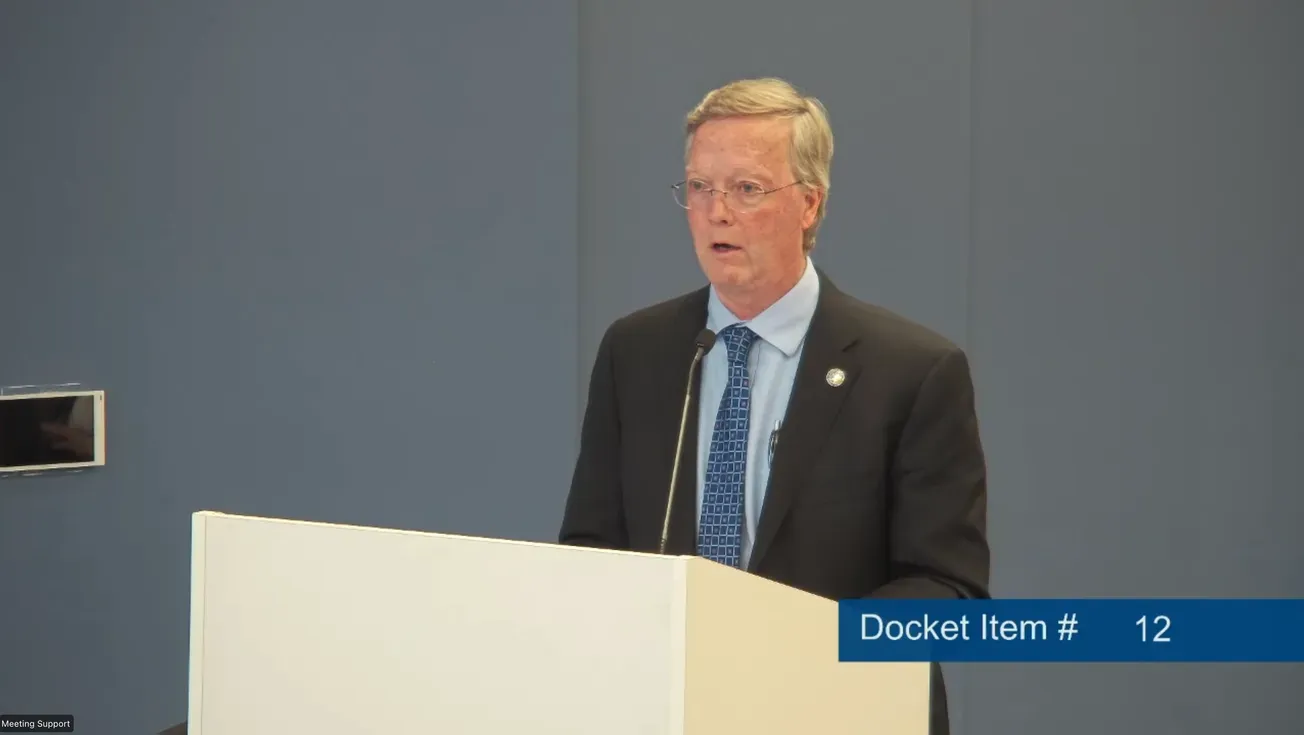
The following evening, Parajon presented the proposed budget to the public at Charles Houston Recreation Center. The session was available in person and via Zoom. Parajon covered the highlights of the proposed budget in approximately 26 minutes, with no public questions recorded. He described the budget's central message as "steady progress," noting that the proposal does not raise the real estate tax rate, eliminates 45 vacant positions, and directs 32% of all new city funding to ACPS. The average homeowner will pay approximately $26 more per month due to rising assessed values at the unchanged tax rate.
"If there's no questions, that's fine too," Parajon said at the close. "Thanks for coming."
The city has not yet reported in-person attendance figures for the event; The Alexandria Brief has asked the city for that information.
You can watch the presentation below and here.
What's next
March 4 — Joint work session with Alexandria City School Board on ACPS operating and capital budgets, school board headquarters
March 9 — City Council budget public hearing, 5:30 p.m.
March 10 — Introduction of tax rate ordinance; council sets maximum tax rate
March 11 — Work Session #3: Safe, Secure & Just
March 14 — General Assembly session adjourns
March 16 — Work Session #4: Livable, Green & Prospering
March 18 — Work Session #5: Healthy, Thriving & Equitable
March 25 — Work Session #6: Accountable & Effective Government
April 6 — Deadline for council to notify staff of any planned tax rate changes for add/delete
April 9 — Council add/delete deadline
April 18 — FY 2027 Add/Delete and Tax Rate public hearings
April 21 — Work Session #7: Preliminary Add/Delete; special council election
April 22 — General Assembly reconvenes for governor's action period
April 27 — Work Session #8: Final Add/Delete (if needed)
April 29 — FY 2027 budget and tax rate adoption, 6 p.m.