Table of Contents
by Markus Schmidt, Virginia Mercury
June 1, 2026
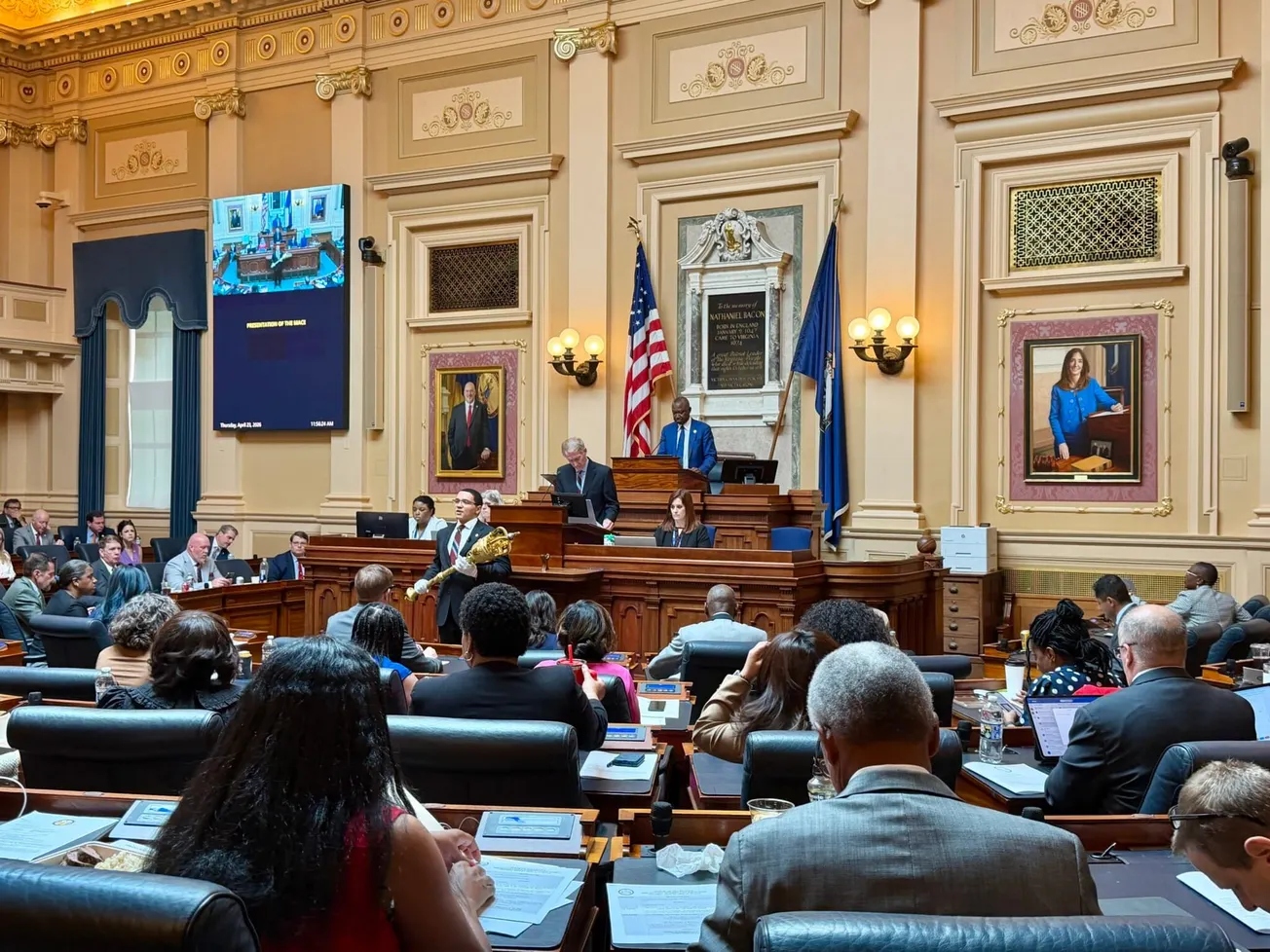
Virginia lawmakers are set to return to Richmond this month for another attempt to reach a budget deal, with just days until the start of the new fiscal year and no agreement yet on the state’s next two-year spending plan.
The House of Delegates is scheduled to reconvene its special session June 18 at 10 a.m., followed by the Senate on June 22 at noon, as negotiators continue working toward a compromise budget that can pass both chambers and reach Gov. Abigail Spanberger’s desk before the June 30 deadline.
Failure to enact a budget before the new fiscal year begins would result in a government shutdown, creating fiscal uncertainty for state agencies, local governments and school divisions that depend on state funding. Spanberger has repeatedly warned against allowing negotiations to extend beyond the deadline.
“It’s absolutely unacceptable if the General Assembly would allow for the state to go past July 1,” she told Cardinal News last month.
Lawmakers have remained at an impasse since the regular 2026 General Assembly session ended without a budget, despite Democrats controlling both chambers of the legislature. A special session in April also ended without a deal.
The biggest sticking point is a Senate-backed proposal to begin phasing out the state’s sales and use tax exemption for data centers before it expires nine years from now.
Senate Finance and Appropriations Committee Chair Louise Lucas, D-Portsmouth, has argued the fast-growing industry places increasing demands on Virginia’s electrical grid and water resources while producing relatively few long-term jobs.
Spanberger and House Democrats have opposed ending the incentive prematurely, arguing it could damage Virginia’s reputation with businesses and discourage future investment.
The tax exemption was approved in 2008 and is authorized through 2035. Lawmakers originally estimated it would reduce state revenue by about $1.5 million annually. Today, its value is estimated at nearly $2 billion a year, as Virginia has become the world’s largest data center market.
Spanberger said she is open to discussions about what happens after 2035.
“There are efforts afoot in the General Assembly, as it relates to the budget, to ensure that data centers are paying their fair share, as I think everyone broadly agrees is necessary,” Spanberger said in mid-April. ”And so that will continue to play out in those negotiations.”
But the governor said she opposes changing the policy before the exemption lapses.
“If Virginia were to take an adversarial stance towards any particular industry, it sends the wrong signal broadly, and we’re already seeing it with the decision to move away from the tax abatement,” she told Cardinal News in an interview published last week.
“It is the absolute prerogative of the General Assembly to look towards the future and to have conversations about incentives they do or do not want to give into the future.”
She also warned that ending the incentive early could invite legal challenges.
“As governor, I’m not going to break a contract that the state has signed — one, because who’s going to fund those lawsuits when we have to defend ourselves from broken contracts?” Spanberger said.
The dispute has put the governor at odds with Lucas, one of the Senate’s most powerful members.
In a series of posts Wednesday on X, formerly Twitter, Lucas blamed the administration and House Democrats for the continued stalemate.
“The Governor and the House are the ones that are gambling with our future by allowing the data centers to expand without concern for power, water, or paying their fair share of taxes,” Lucas wrote.
“The Governor should be honest and tell the public what she won’t do — she won’t tax billion dollar corporations to provide long term revenue to help pay for K12 and public safety and to backfill the federal cuts from Trump.”
“That’s the budget hold up!! Once again, the Governor is wrong on the policy and knows Virginians will cook her if there is a government shutdown.”
Lucas has repeatedly defended the Senate proposal during budget discussions.
At a Senate Finance Committee meeting in May, she argued the state should not continue providing the incentive without additional policy changes.
“Data centers will employ very few permanent jobs for a sizable tax giveaway,” Lucas said.
“This is imperative to encourage responsible growth in the commonwealth to protect our electric grid and natural resources, while also ensuring hard working Virginians are not asked to pick up higher utility costs to fund a higher share of our existing core services,” she added.
Despite the disagreement, Lucas said at the time that she expects lawmakers to reach a deal before the new fiscal year begins.
“Virginia will have a budget by June 30,” she said. “We will have to get this right for Virginians.”
Meanwhile, state officials are preparing updated financial projections to aid negotiations.
Earlier this month, Spanberger directed state finance officials to roll out a revised revenue forecast that will include projections through fiscal year 2031. The administration said the updated forecast is intended to give budget conferees a clearer picture of the state’s fiscal outlook.
“When making long-term budget commitments, it is important that policymakers have the most current and accurate information available,” Spanberger said in a statement. “This updated forecast will help provide budget conferees and the public with greater confidence as negotiations continue on the commonwealth’s next two-year budget.”
The request came as Virginia Secretary of Finance Mark Sickles warned that parts of the state’s economy are showing signs of weakness.
During last month’s meeting of the Senate’s money committee, Sickles pointed to slower job growth, persistent inflation and declining consumer confidence, even as state revenues continue to exceed expectations.
Those stronger revenues have given negotiators additional room as they work toward a budget agreement before July 1.
YOU MAKE OUR WORK POSSIBLE.
Virginia Mercury is part of States Newsroom, a nonprofit news network supported by grants and a coalition of donors as a 501c(3) public charity. Virginia Mercury maintains editorial independence. Contact Editor Samantha Willis for questions: info@virginiamercury.com.