Table of Contents
by Markus Schmidt, Virginia Mercury
July 29, 2026
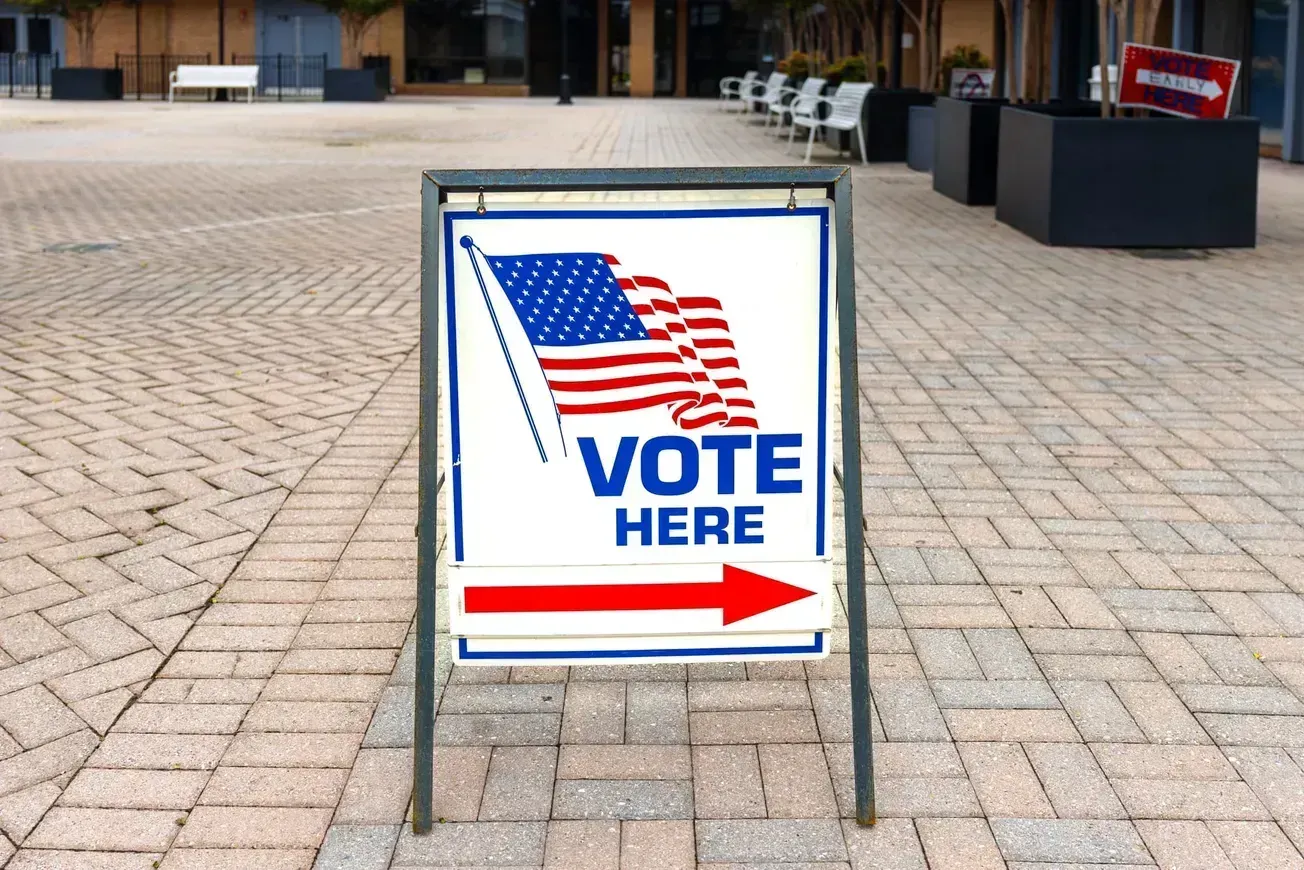
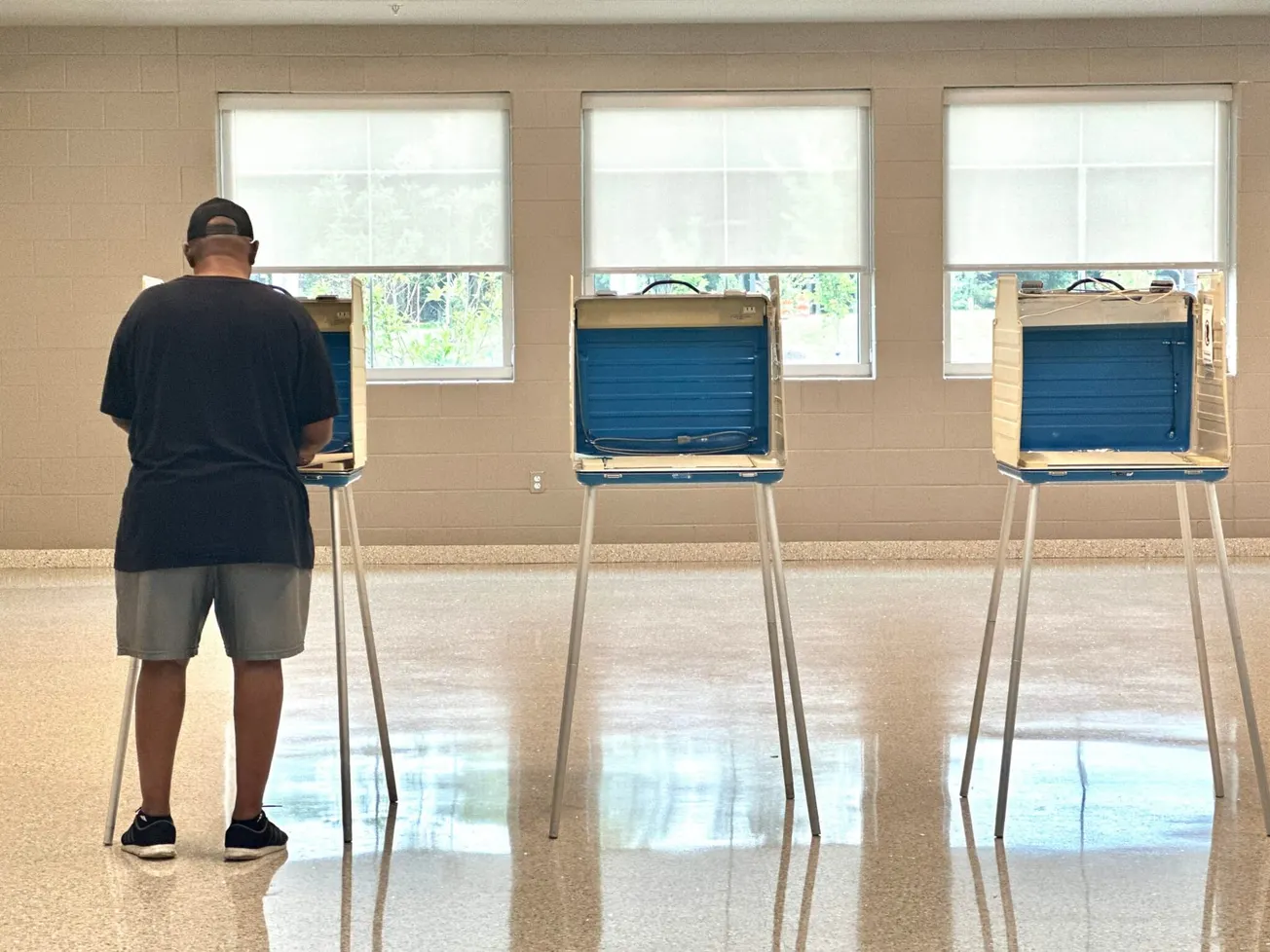
Virginia is on track to become the sixth and final early-voting state in the 2028 Democratic presidential nominating calendar under a proposal unveiled last week, a move that could bring presidential candidates, campaign spending and national attention to the commonwealth in the weeks before Super Tuesday.
The Democratic National Committee’s Rules and Bylaws Committee recommended that Virginia hold its primary on Feb. 29, 2028, one week before voters across much of the country cast ballots on March 7. The full DNC is scheduled to vote on the proposed calendar during its Aug. 13-15 summer meeting.
South Carolina would open the Democratic nominating process on Jan. 22, followed by Nevada on Feb. 1, New Hampshire on Feb. 8, New Mexico on Feb. 15 and Michigan on Feb. 22. Virginia would become the final early contest before Super Tuesday reshapes the race.
Being sixth in line may not sound influential, but Virginia and Michigan would be the largest states in the proposed early window, meaning an unsettled race could reach the commonwealth with several candidates still competing for momentum heading into March.
“A lot of states would like to be on this early list, so a lot of states might just envy South Carolina, Virginia and the rest of the people who got the premium nomination calendar tickets,” said Stephen Farnsworth, professor emeritus of political science at the University of Mary Washington.
Early contests often determine which candidates gain news coverage, attract donors and endorsements, and which struggle to remain competitive, Farnsworth said.
“The first, second or third contests effectively determine the nominee in many cases,” he said. “Because there is such outsized attention, focused on those early states, by the candidates, the media, and by donors, if you don’t do well early on, there’s not a lot of opportunity for a comeback.”
Farnsworth pointed to the 2020 Democratic primary, when former Vice President Joe Biden stumbled in Iowa and New Hampshire before a commanding victory in South Carolina revived his campaign. Biden then swept Super Tuesday and went on to win the nomination and presidency.
“If Virginia keeps its place in the line that was proposed, it may matter in some years what Virginians think,” Farnsworth said.
Months of lobbying preceded Virginia’s selection
To earn a place in the early window, Virginia had to persuade the committee they could test candidates among the voters Democrats need to win a general election while offering an affordable and accessible campaign environment. Each state made a 15-minute presentation in May followed by 30 minutes of questions from panel members.
Democratic Party of Virginia Chair Lamont Bagby said the bid took months to assemble and included letters of support from Gov. Abigail Spanberger, U.S. Sens. Mark Warner and Tim Kaine, Virginia House Speaker Don Scott, Senate President Pro Tempore Louise Lucas and Senate Majority Leader Scott Surovell.
Bagby presented the proposal alongside former Gov. Terry McAuliffe and former DPVA Chair Susan Swecker.
“This has been months of campaigning to get us added to the early window,” Bagby said in a phone interview.
Committee members originally expected to choose four or five states, including at least one from each of the DNC’s four geographic regions. They ultimately expanded the opening calendar to six, citing the strength of the applications and a desire for the best possible early-state lineup.
RBC Committee Co-Chairs Minyon Moore and James Roosevelt Jr. called the proposed lineup “the most diverse calendar Democrats have ever had for an open nominating contest.”
Committee leaders said the six-state lineup would test candidates among Black and Latino, Asian American, Native American, young, union, military and working class voters. Virginia’s advocates made a similar case, highlighting the commonwealth’s mix of urban, suburban and rural communities and its large population of veterans and federal workers.
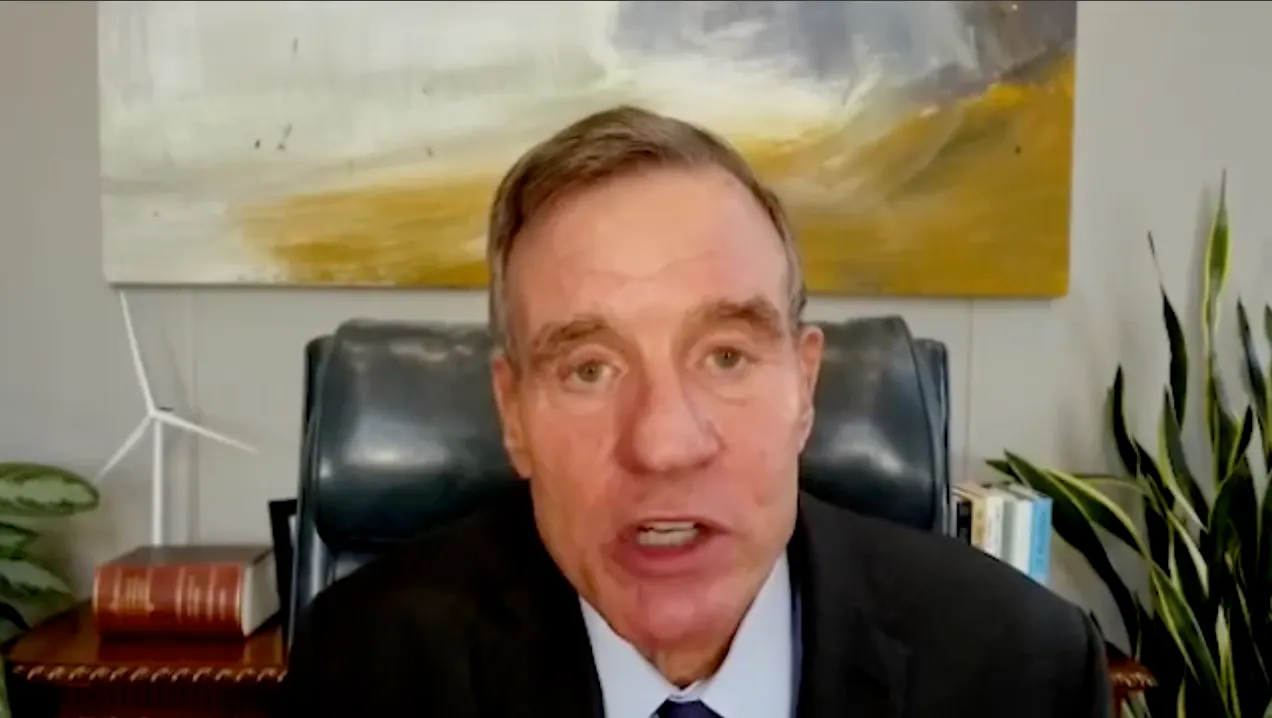
Warner called Virginia’s selection a “tremendous vote of confidence” in the commonwealth and its voters.
“Virginia has earned this moment,” Warner said in a statement. “We are a competitive Southern battleground where campaigns have to do the hard work of listening, organizing, and building broad coalitions in order to win. A candidate who can compete in Virginia can compete anywhere.”
Surovell said the designation gives Virginia a stronger voice in a nominating process that has overlooked the state in the past.
“I look forward to welcoming presidential candidates to Virginia and to seeing our voters play a decisive role in this historic election cycle,” he said.
Bagby expects candidates to spend weeks traveling Virginia, seeking endorsements and learning about issues affecting communities across the state. That access, he said, could continue paying dividends if one of those candidates eventually reaches the White House.
“Virginia voices will be actually heard and considered,” Bagby said. “I think it’s going to be awesome to see Virginia to have an opportunity to really talk to presidential candidates about what they see as critical opportunities for the federal government to impact their lives.”
The influx of campaigns, consultants and national news organizations could also provide an economic boost for the commonwealth.
“It’s always a financial windfall when the candidates, consultants, and reporters start eating, drinking, and sleeping in an early primary state,” Farnsworth said.
General Assembly must change primary date
Even if the DNC approves the 2028 calendar next month, Virginia lawmakers would still have to move the state’s presidential primary.
State law schedules presidential nomination contests for the first Tuesday in March, which falls on March 7 in 2028. The Democratic-controlled General Assembly would have to move the election to Feb. 29, and Spanberger would have to sign the legislation.
“The General Assembly and the governor are very supportive of moving the date up, so we’ll do that in the regular session next year,” Bagby said.
Because Virginia does not register voters by party and state law establishes a single presidential primary date, moving the election would also affect Republicans if both parties continue using the state-run primary. Voters may participate in either party’s primary but not both.
Republican Party of Virginia Chair Jeff Ryer said he sees no downside if the legislature moves the primary to comply with the DNC calendar. He expects Democratic lawmakers and Spanberger to approve the change.
“It certainly raises Virginia’s prominence in the cycle,” Ryer said in a phone interview.
Virginia has held February presidential primaries before. John Kerry won the Democratic primary on Feb. 10, 2004, and Barack Obama carried the state’s Feb. 12, 2008, “Potomac Primary,” held jointly with Maryland and Washington, D.C.
What makes the 2028 proposal different is not the date itself, but Virginia’s place in the calendar. Rather than simply voting early, the commonwealth would receive a protected position in the DNC’s official early window.
The modern early-state system grew out of reforms following the turbulent 1968 Democratic National Convention, shifting more influence from party leaders to primary voters.
For decades, Iowa and New Hampshire dominated the opening contests. Democrats expanded the early calendar in 2008 by adding Nevada and South Carolina to give Latino and Black voters a greater voice, and that four-state lineup remained in place through 2020.
The party reshaped the calendar again in 2024, elevating South Carolina to the first contest, removing Iowa after its problem-plagued 2020 caucuses and adding Michigan. The proposed 2028 calendar would expand the opening window to six states by adding Virginia and Michigan.
DNC Chair Ken Martin called last week’s committee vote “a critical step toward retaking the White House in 2028 by ensuring we have the strongest possible nominee.”
Virginia Mercury is part of States Newsroom, a nonprofit news network supported by grants and a coalition of donors as a 501c(3) public charity. Virginia Mercury maintains editorial independence. Contact Editor Samantha Willis for questions: info@virginiamercury.com.