Table of Contents
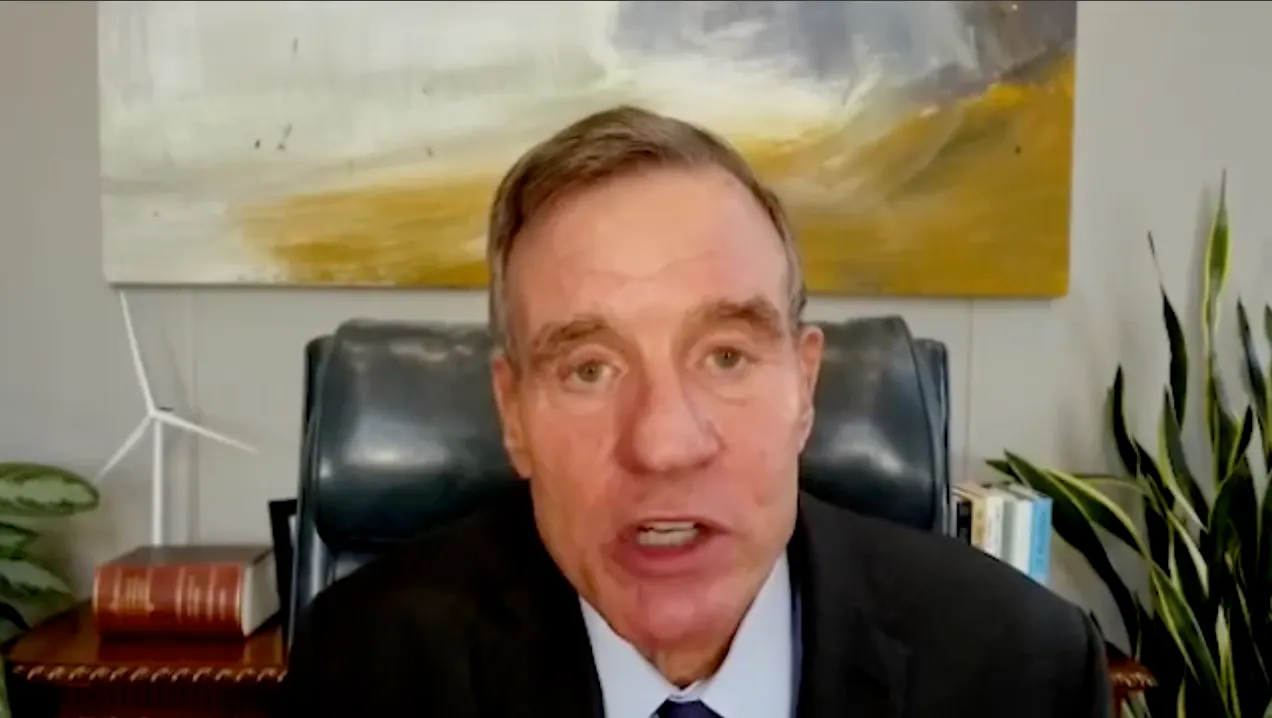
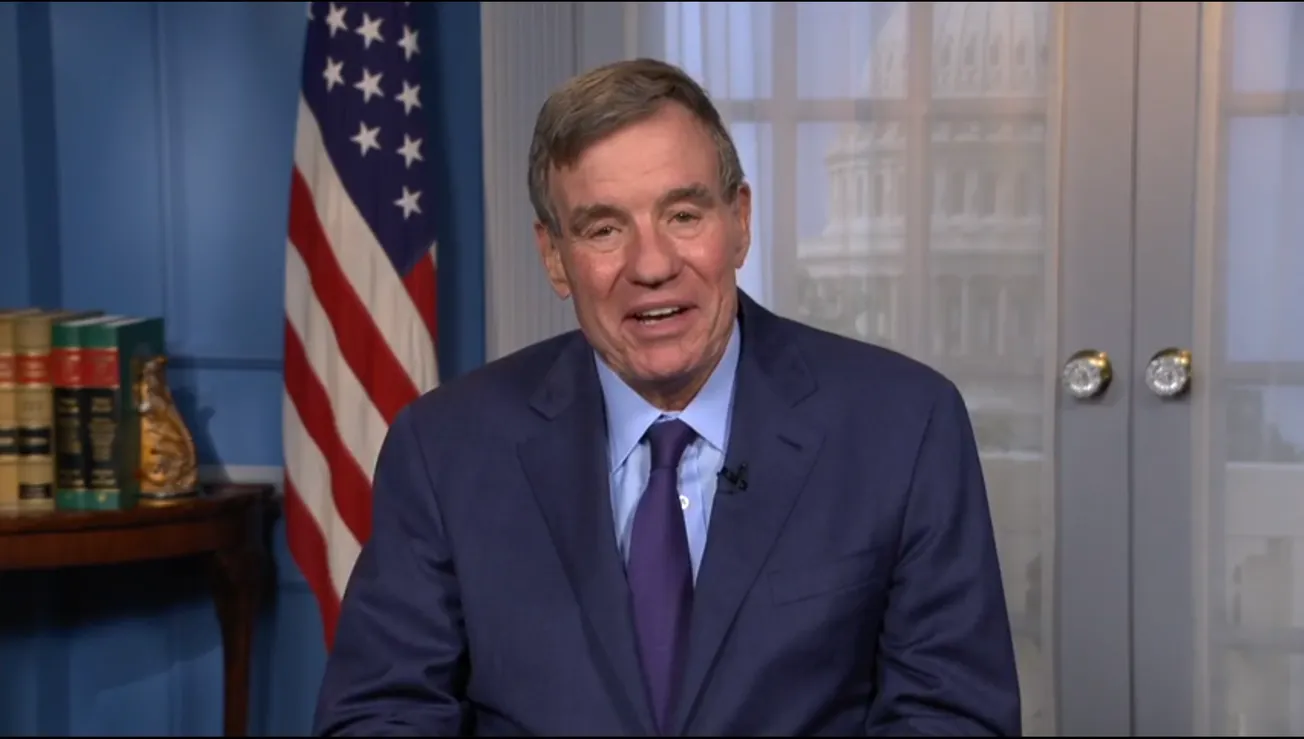
ALEXANDRIA, Va. - Sen. Mark Warner, D-Va., said Thursday that the Trump administration's newly signed agreement with Iran has left Virginians paying more for fuel, food and farming while leaving the country no safer, as he also accused President Donald Trump of treating the nation's top intelligence post as a "political pawn" and pointed to a bipartisan housing bill as rare good news for the state.
Speaking during his weekly remote availability with Virginia reporters, Warner, vice chairman of the Senate Intelligence Committee, tied the 111-day conflict he has repeatedly called a "war of choice" directly to the state's economy. He said fertilizer costs for Virginia's growing season are already up 40% and warned that energy prices and inflation, which he said topped 4% over the last quarter, would not ease soon.
"America is not better off. Our people's not better off, our economy's not better off," Warner said of the memorandum signed Wednesday in France.
The senator said the deal restates Iran's longstanding pledge not to build a nuclear weapon while leaving its ballistic missiles untouched and lifting sanctions that will send billions of dollars to a regime he called more radical than before the war. He said the conflict carries particular weight in Northern Virginia, home to a large Iranian diaspora, many of whom had hoped to see the regime fall after a January uprising he said the government violently suppressed.
'Playing with our national security'
Warner reserved some of his sharpest words for the unsettled confirmation of the next director of national intelligence, with Tulsi Gabbard set to step down Friday.
He said Trump first floated Bill Pulte — the federal housing finance regulator, who Warner said lacks the national security experience the law requires — then nominated Jay Clayton, only to pull Clayton's nomination Wednesday as the Senate prepared to confirm him.
"Donald Trump is now playing with our national security as a political pawn," Warner said.
Asked by WTOP whether Pulte could become acting director, Warner said he expected Pulte to "probably show up for work on Monday" and anticipated a legal challenge over his qualifications. He said he was particularly concerned that Pulte could mishandle classified material or, given Trump's repeated comments about federal involvement in elections, "fabricate a piece of intelligence" to justify interfering in the fall vote.
Warner also said Section 702 of the Foreign Intelligence Surveillance Act, a key surveillance tool, has lapsed because Trump is insisting on attaching the SAVE Act, a measure Warner called a voter-disenfranchisement bill, to its renewal. He said communications companies are still cooperating with the government, so there is not yet a "going dark" problem, but blamed the impasse on the president. Asked whom he would recommend for the post, Warner named Paul Nakasone, the former National Security Agency director and Cyber Command chief appointed during Trump's first term.
Housing bill aimed at Virginia supply crunch
On what he called "at least one cheery note," Warner highlighted the bipartisan ROAD to Housing Act, which he said the Senate would vote on later Thursday. He said the country is roughly 5.5 million to 6 million housing units short, that prices are rising "dramatically all across Virginia," and that the average age of a first-time homebuyer has climbed to 41.
The legislation, a package of smaller bills that includes several Warner championed, focuses largely on regulatory relief to help localities build more homes — easing rules around modular construction and allowing vacant retail space to be converted into housing, he said. Asked by Nexstar when Virginians might feel the effects, Warner said he hoped the bill would become law before July 4 and that new home construction could begin to pick up in the state by the fall.
Pressed by 13News Now on affordable housing, Warner cautioned that the bill does not restore HUD programs such as the Low-Income Housing Tax Credit, which he said were cut by the budget law that also reduced health care funding. He said he would keep fighting for those funds in the budget process.
Service academies, online safety and the state's history
Asked by the Hampton Roads Messenger about the state of American democracy ahead of the nation's 250th anniversary, Warner said he worried about election interference and what he described as Trump's attempts to rewrite American history and erase the contributions of African Americans, Latinos and women. He pointed to Virginia's own "checkered history," from its role as the capital of the Confederacy to Prince Edward County's decision in the 1950s to close schools rather than integrate.
He ended on a hopeful note, describing a Thursday morning gathering he and Sen. Tim Kaine held for Virginia students accepted into the U.S. service academies, including West Point and the Naval Academy. The group, he said, "looked like the face of Virginia today."
Responding to CBS 19, Warner also renewed his push for the Kids Online Safety Act, saying he is one of more than 70 sponsors, and warned that artificial intelligence poses an even greater threat to children than social media. He cited lawsuits from families who lost children to suicide after interactions with chatbots and condemned AI-generated nonconsensual nude images of minors. He again raised alarms about a powerful new AI model called Mythos, which he said could break into classified government systems, banks and potentially water systems, and called for mandatory testing before such models are released.