Table of Contents
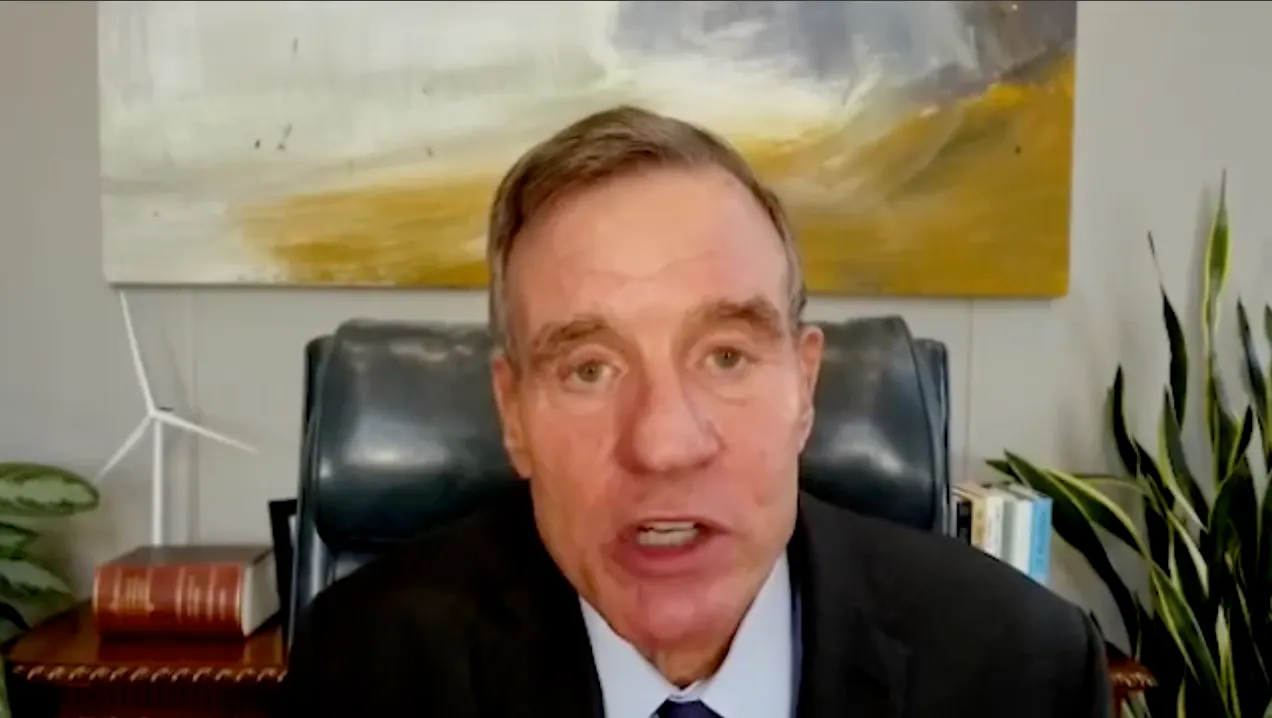
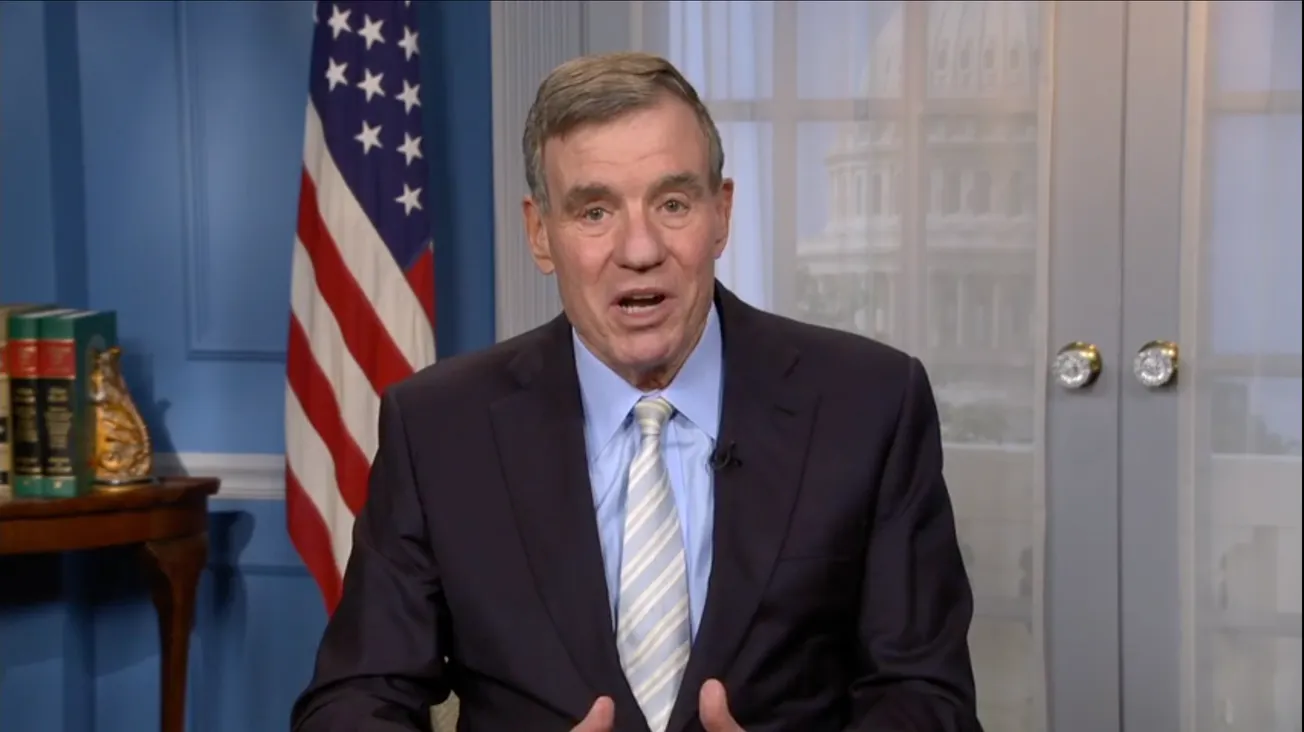
ALEXANDRIA, Va. — Sen. Mark Warner, D-Va., on Thursday accused President Donald Trump of abandoning a major bipartisan housing bill at the last minute, criticized the administration's deal to end the war with Iran, and warned that the new acting intelligence chief poses a danger to national security.
Speaking during his weekly remote availability with Virginia reporters, Warner saved his sharpest disbelief for the ROAD to Housing Act, a roughly 40-provision bill he said passed both chambers with more than two-thirds support before Trump abruptly canceled a signing ceremony. Warner said the chairs were literally set up for the event when the president pulled the plug, and that House Speaker Mike Johnson was praising the bill when word came that Trump had killed the signing.
"You can't make this stuff up," Warner said, calling the move evidence that Trump does not care about the rising cost of living. He said the president was holding the bill hostage to force passage of the SAVE Act, an elections measure Warner described as the largest voter-disenfranchisement effort in modern history, which he said lacks even 51 votes in the Republican-led Senate.
Warner said the housing measure should still become law, noting the Constitution allows a bill to take effect without a president's signature after 10 days and that the margins exist to override a veto. The bill passed Congress on Monday and headed to the president's desk, according to Warner's office.
He framed the stakes for Virginia in terms of supply and cost, saying the country is about 5 million housing units short and that the average age of a first-time homebuyer has climbed to 40. The package contains more than 40 provisions, several of which Warner authored. They include the RESIDE Act, a pilot program he wrote with Sen. Jim Banks, R-Ind., to help communities convert vacant hotels, warehouses and strip malls into affordable homes through HUD's HOME program; the Rural Housing Service Reform Act, which his office said would help preserve housing access for 400,000 rural families; and the Homes Are For People, Not Corporations Act, which would bar large institutional investors from buying certain single-family homes. Other provisions update the federal definition of manufactured housing to encourage modular construction, expand veterans' awareness of VA home-loan benefits, and cut red tape around environmental reviews.
Warner said the changes would matter in the Roanoke Valley and Southwest Virginia, where the housing stock is old and mountainous terrain limits buildable land. He also pointed to the low-income housing tax credit as the most proven affordable-housing tool, saying the bill raises the cap on how much banks can invest in it.
On Iran, Warner said the United States is worse off after what he again called a "war of choice," telling reporters none of the administration's strategic goals were met. He said the conflict has cost Americans about $60 billion in higher gas prices over four months, on top of a new $67 billion request for military spending to replace expended munitions, and warned of further strain on food, diesel and airline costs. He said the new government in Iran appears more radical than the one before the war, that roughly 60% of Iran's missile capacity remains intact, and that a memorandum of understanding between the two countries says nothing about Iran's regional proxies while granting it immediate relief to sell oil in U.S. dollars. Warner said inspectors may eventually return to monitor Iran's nuclear program but that the likely outcome is the status quo, and noted Iran retains the ability to close the Strait of Hormuz, through which 20% of the world's oil passes.
Warner reserved pointed criticism for Bill Pulte, the federal housing finance regulator now serving as acting director of national intelligence, whom he called "a national security threat" with no national security background. He said Pulte has sent more than 50 staff back to their home agencies and that allies and even Trump appointees have told him they are wary of sharing classified information with him. Warner said he introduced legislation, the Do Not Interfere in our Intelligence Act of 2026, to ensure a Senate-confirmed official with intelligence experience would fill the role in a vacancy, but that a Republican objected when he sought to pass it by unanimous consent. He noted that Section 702 of the Foreign Intelligence Surveillance Act has expired, though he said communication providers are still cooperating, so intelligence collection has not deteriorated.
Asked about the postmaster general's testimony that the Postal Service would not deliver mail-in ballots in states that decline to share voter data with the federal government, Warner called the idea outrageous and politically motivated, saying the Constitution leaves elections to states and localities. He tied it to a broader concern about election interference from within the administration ahead of the 2026 vote.
Pressed on inflation, reported at 4% over the last quarter, Warner attributed higher beef and grocery prices in part to Trump's tariffs and higher diesel costs, and said gas prices had begun to fall only because the Iran conflict ended. He said he is pushing his all-of-the-above energy approach, including solar, wind, natural gas and small nuclear reactors, to meet rising electricity demand from data centers and other sources.
Warner closed by promoting the America the Beautiful Act, which he said builds on his Great American Outdoors Act and would add about $2 billion a year for national park maintenance. He cited a recent ribbon cutting marking completion of part of a George Washington Memorial Parkway upgrade, along with work on the Blue Ridge Parkway and the Colonial Parkway in York County, and said he hoped the new bill could pass before July 4.
Looking ahead to the nation's 250th anniversary, Warner said he was disappointed Trump had politicized the occasion but that he planned to march in his traditional Prince William County and Fairfax City Fourth of July parades before heading to Williamsburg.