Table of Contents
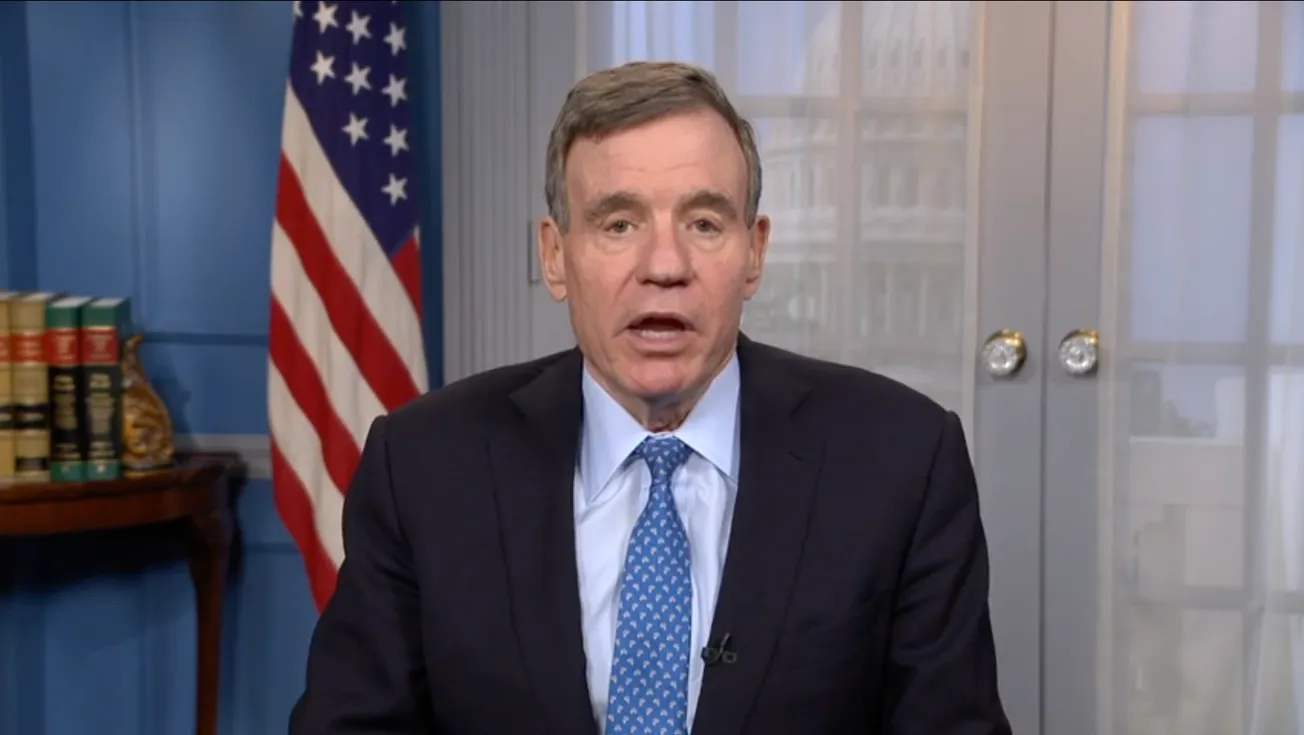
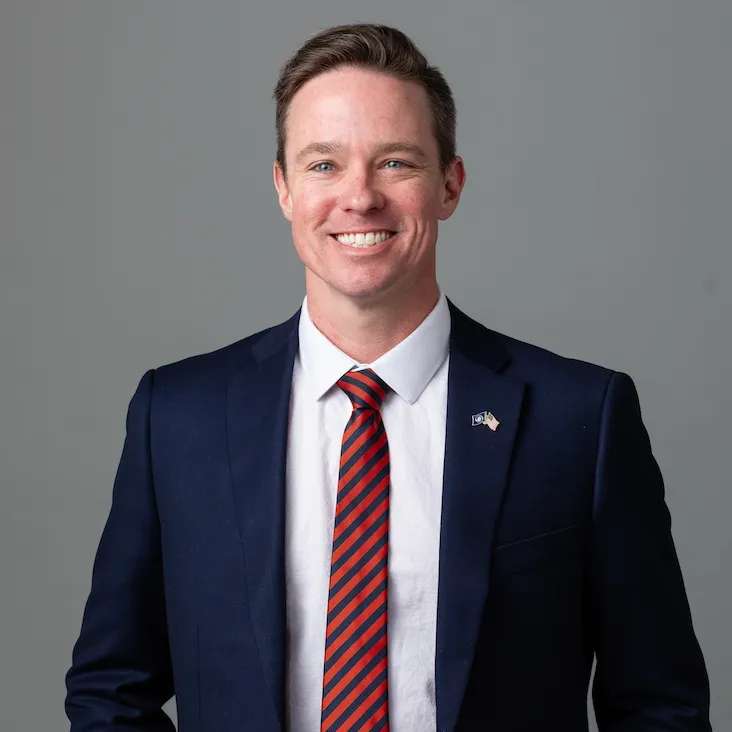
All three candidates in Alexandria's April 21 City Council special election have submitted responses to a housing questionnaire from YIMBYs of Northern Virginia, the pro-housing advocacy group announced Friday, as it prepares to possibly issue an endorsement in the race next week.
The candidates are Democratic nominee Sandy Marks, independent Frank Fannon, and independent Alison Virginia O'Connell. The seat was left open when Del. Kirk McPike resigned in January after winning a February House of Delegates special election.

The questions
YIMBYs of NOVA asked each candidate five questions: what policies or circumstances have resulted in Alexandria's housing affordability crisis; what role the supply of market-rate housing plays on affordability; how they would weigh different forms of public input — including from residents who face language barriers, childcare demands or shift work schedules — when considering housing proposals; how they would connect housing policy to another issue such as health, climate or racial equity; and what specific policies they would want to see included in Phase 2 of the city's Zoning for Housing initiative, and when that phase should begin.
Where they agree
All three candidates acknowledge that housing costs have outpaced incomes and that the city faces a serious affordability problem. All three recognize the legacy of racially discriminatory zoning policies, and all three say public engagement processes need to do more to reach renters, shift workers, and residents who face language barriers.
The cause of the crisis
Marks, an advocacy communications specialist and two-term former chair of the Alexandria Democratic Committee, traces the affordability challenge to decades of zoning policy that limited housing construction and reinforced racial segregation. She argues that when demand is high, and supply is scarce, prices rise — and that Alexandria's policies need to reflect today's realities and expand access rather than reinforce historic divides.
O'Connell, a community organizer and Client Services Manager at a locally owned pet care company, also cites discriminatory zoning as a legacy issue but goes further — arguing that Virginia's Dillon Rule limits what Alexandria can do to rein in corporate landlords, putting tools like rent control off the table for local policymakers.
Fannon, a former Republican councilman and fourth-generation Alexandrian, focuses on population pressure. Alexandria has grown 25% since 2000, he notes, to roughly 160,000 residents, in a city that occupies less than half a percent of the greater Washington region's land. He argues that desirability is a central driver of rising prices.
The role of market-rate supply
The candidates' sharpest difference is over what market-rate development can accomplish on its own.
Marks argues that increasing supply at varied price points is essential to relieving cost pressure. When not enough housing is built, she writes, people with higher incomes compete for existing housing — including older, more modest units — which drives prices up across the board. She describes market-rate production and dedicated affordability programs as "complementary strategies, not competing ones."
O'Connell is more skeptical. She writes that corporations and developers "are motivated by profit above all else, and consistently price new housing outside of the range of existing working-class Alexandrians regardless of how much we build." She wants the city to require affordable units at 30 and 40 percent of the area median income as a condition of special use permit approval.
Fannon acknowledges the gap between rents and incomes — citing a $1,600 floor for a one-bedroom apartment in the city — but does not outline a specific policy mechanism. He argues the city should stop selling municipally owned land to developers and instead pursue long-term land leases with partners to produce housing.
Phase 2 of Zoning for Housing
Marks offers the most detailed Phase 2 agenda of the three. She supports expanding missing middle housing opportunities, making it easier to build near transit and along commercial corridors, updating parking requirements, and reducing barriers to office-to-residential conversions. She calls for a review of Phase 1 data and says Phase 2 should begin within this council term with clear timelines.
O'Connell supports zoning adjustments in enhanced transit areas and legalizing garden-style townhomes and apartments, with the condition that new denser development must include affordable units.
Fannon's Phase 2 response is the most cautious. He points to construction already underway — including projects on North Patrick Street and in Arlandria — and raises concern that the city has no land set aside for a new school. He argues Alexandria needs a proactive growth management plan before adding more density, but does not name specific zoning reforms he would support.
See the candidates' complete responses
What's next
YIMBYs of NOVA previously ranked Marks second among the five-candidate Democratic primary field with a score of 4.3 out of 5. The group has not previously scored Fannon or O'Connell. An endorsement announcement is expected in the coming week.
Alexandria Brief interviews with all three candidates — Frank Fannon, Sandy Marks and Alison Virginia O'Connell — are available as video, audio, and as a story.
Early voting is underway for the April 21 Special Election through April 18 at the Office of Voter Registration and Elections, 132 N. Royal St.