Table of Contents
ALEXANDRIA, Va. - On July 17, 1946, the Alexandria City Council did something that only two American cities had done before: it passed an ordinance protecting the exterior appearance of its historic buildings, creating what would become one of the most recognized historic districts in the country.
The designation was nicknamed the "Charleston Ordinance" — after Charleston, South Carolina, which had pioneered the concept, followed by New Orleans' Vieux Carré. Alexandria was third. The law extended the city's zoning authority beyond simple land use — the standard since the Supreme Court's 1926 Euclid vs. Ambler decision — into something new: the power to regulate how buildings looked from the street, not just what they were used for.
It was a radical idea at the time. Zoning codes had never been used to protect aesthetic appearance, and the legal ground was untested. Historic district ordinances like Alexandria's would go unchallenged for more than two decades, until the landmark Penn Central vs. City of New York case — in which the Supreme Court upheld New York City's decision to block a skyscraper atop Grand Central Station — established once and for all that historic preservation was a legitimate exercise of government authority.
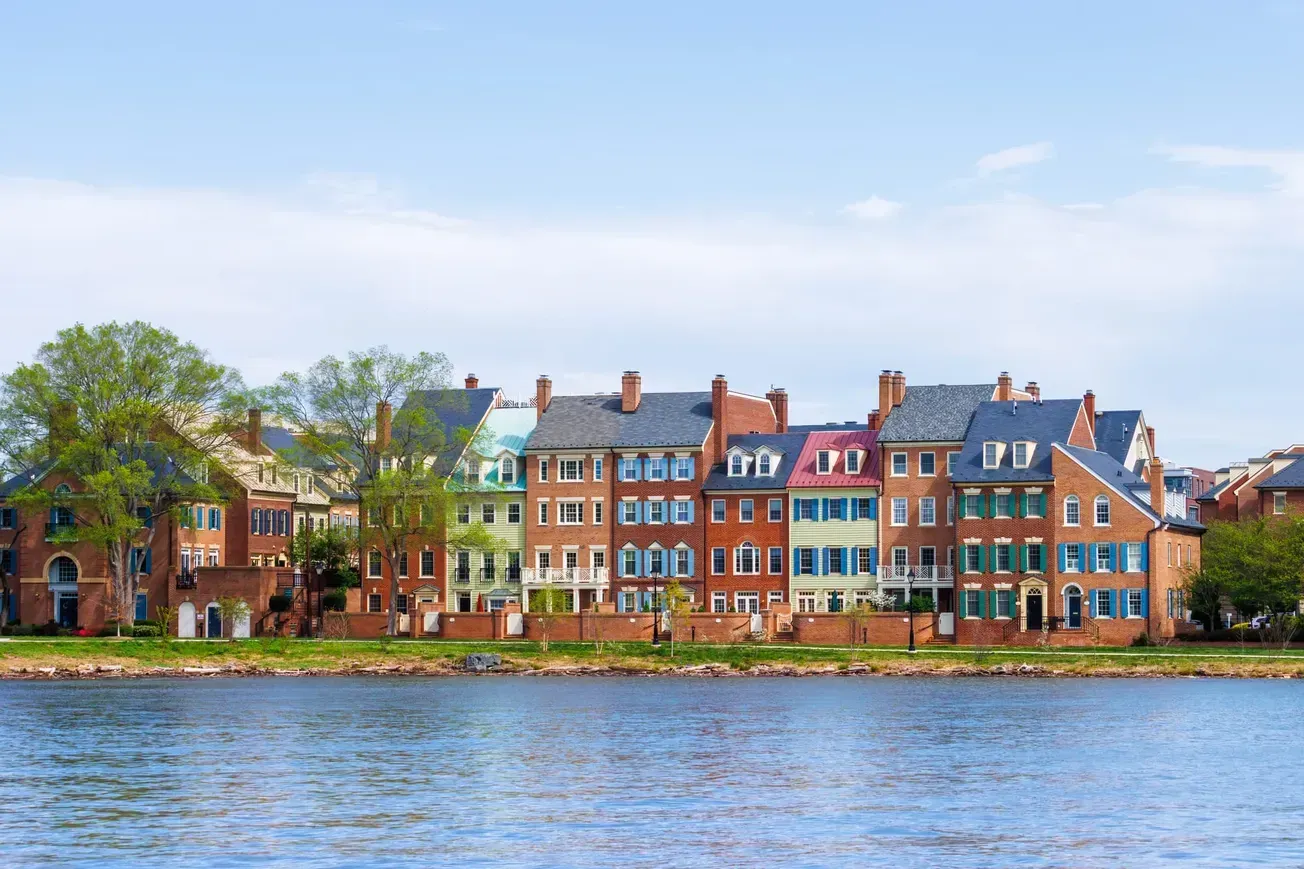
But in 1946, Alexandria didn't wait for legal certainty. The city had watched its early buildings suffer from benign neglect through and after the Civil War, and a group of civic leaders had decided that what remained was worth protecting. The Old and Historic Alexandria District — encompassing the colonial-era streets, Federal-style townhouses, and 18th-century commercial buildings of what is now Old Town — drew a legal boundary around one of the most intact early American streetscapes in the country.
That boundary has held for 80 years. The brick sidewalks, the shuttered windows, the gas lanterns, the warehouses along the waterfront that became restaurants and boutiques — all of it exists because of what the city council did on this date in 1946.
The designation also came at a moment of broader civic awakening. That same year, the Alexandria Historical Society held its first public meeting at Gadsby's Tavern — the same building that had been saved from ruin by American Legion Post 24 two decades earlier. Two institutions, same year, same mission: making sure Alexandria didn't forget what it was.