Table of Contents
ALEXANDRIA, Va — AlexRenew has begun testing flows in its waterfront tunnel system, marking a major milestone as the utility prepares to launch the RiverRenew program this summer.
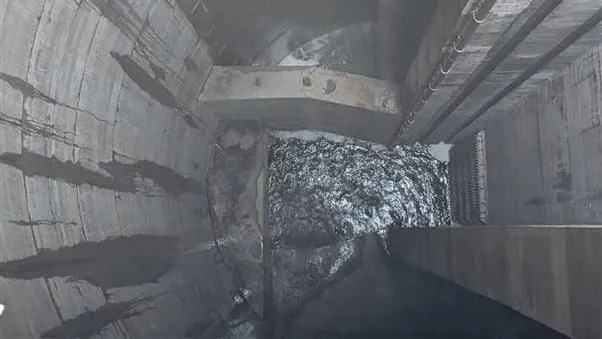
The testing allows crews to check dewatering pumps and equipment in the 2.2-mile-long Waterfront Tunnel ahead of the program's operational deadline. Once fully operational, RiverRenew will capture and treat 120 million gallons of combined sewage annually, preventing harmful overflows from polluting the Potomac River and its tributaries.
"This is a significant achievement for our team and a symbolic milestone on our journey to becoming operational," said Matt Robertson, AlexRenew's director of communications. "Ultimately, RiverRenew will benefit our community, its waterways, and our region — that's something we can all celebrate."
RiverRenew represents the largest infrastructure project in Alexandria's history, beginning in July 2018 when the Virginia Department of Environmental Quality approved a joint Long-Term Control Plan prepared by the city and AlexRenew. The utility assumed ownership of the program and remediation of the combined sewer system.
The massive environmental initiative centers on two major components: the Waterfront Tunnel, completed in 2024, which includes a 12-story underground pumping station, and the Hooffs Run Interceptor, completed in 2025.
Alexandria's combined sewer system, like many older East Coast cities, carries both stormwater and sewage in the same pipes. During heavy rains, the system can overflow, sending untreated sewage into waterways. RiverRenew addresses this problem by capturing the overflow and directing it to AlexRenew's treatment facility.
AlexRenew treats approximately 13 billion gallons of wastewater annually for Alexandria and parts of Fairfax County before safely returning it to waterways.
The program has been under construction for nearly four years as crews advanced the design and construction of the tunnel system. With testing now underway, the system is expected to begin full operations this summer, representing a major step forward in regional water quality improvement.