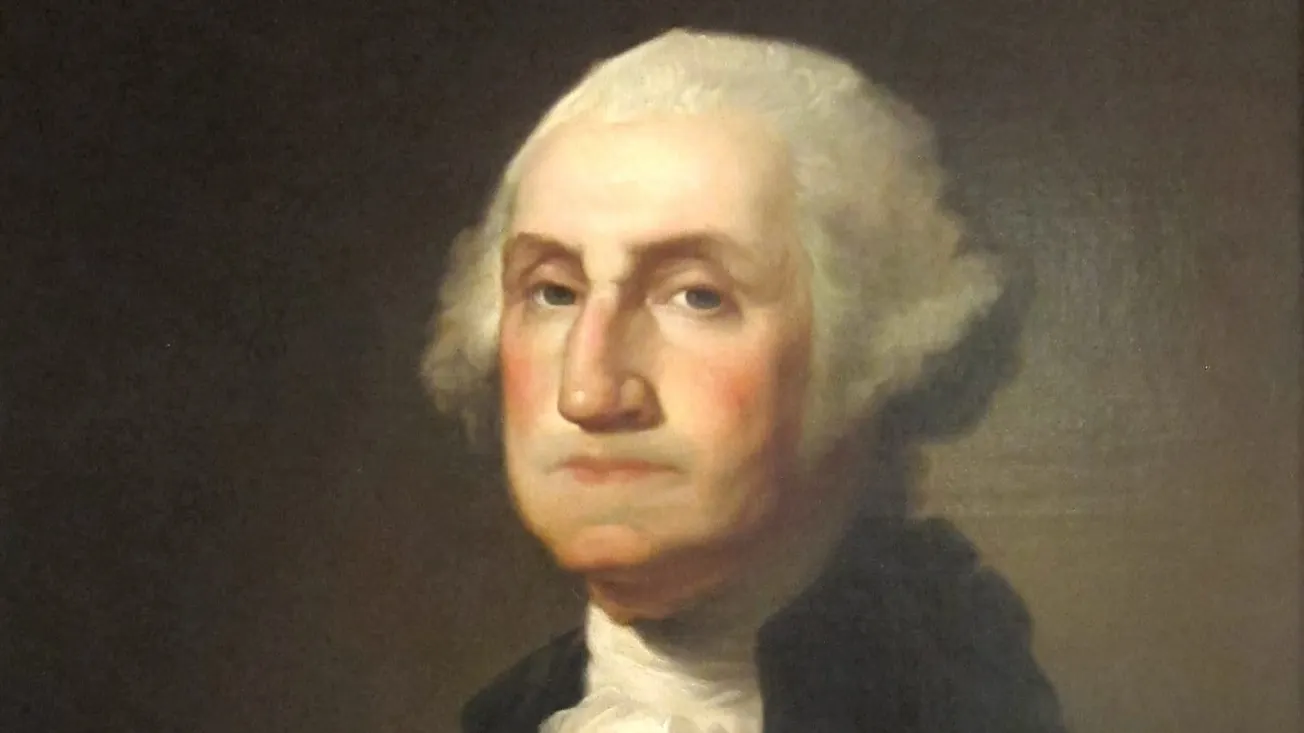
ALEXANDRIA, Va. — On June 15, 1775, in the Assembly Room of Independence Hall in Philadelphia, the Second Continental Congress voted unanimously by ballot to appoint George Washington Commander in Chief of the newly formed Continental Army.
He was 43, more than six feet tall, the largest landowner among the delegates, and one of the most experienced soldiers in the colonies. He was also a man whose adult life had been organized around a town less than 10 miles north of his Mount Vernon home — Alexandria, where he attended Christ Church as a vestryman, where he belonged to Masonic Lodge No. 22, where he bought supplies, dined at Gadsby's Tavern, and conducted his civic and commercial business.
The decision in Philadelphia
The Continental Army had been established only a day earlier, on June 14, 1775, when Congress voted to raise a standing army of soldiers from Pennsylvania, Maryland and Virginia to support the Massachusetts militia then besieging the British in Boston. The question that remained was who would lead it.
John Adams of Massachusetts rose to nominate Washington, a fellow delegate whose physical presence and quiet manner had impressed Adams across two sessions of Congress. Adams' political calculation was straightforward: New England's militia was already fighting outside Boston, but if the war was to be a continental cause rather than a regional one, the army needed a commander from the South. Virginia — the largest and wealthiest of the colonies — would have to be brought in. A Virginia commander would do that.
Washington, who had quietly worn his military uniform from the French and Indian War to congressional sessions in Philadelphia, may have signaled his willingness without saying so. Either way, the unanimous vote came swiftly.
Washington's response
Washington accepted the appointment the next day, June 16, in a brief and characteristically modest speech to Congress. "I feel great distress from a conscience that my abilities and military experience may not be equal to the extensive and important trust," he told the delegates. He requested no salary, only reimbursement for his expenses — a request Congress accepted.
That same day, Washington wrote to his wife, Martha, at Mount Vernon. He told her he had not sought the position, that he expected to be away from her for many months, and that he had updated his will before leaving Philadelphia. The letter closed with a postscript: he had bought her some "pretty muslin." He hoped to be home by the fall.
He would not return to Mount Vernon for more than six years.
Alexandria's favorite son
Washington's relationship with Alexandria was both formal and intimate. He had helped survey the city's lots as a young man in 1749 — work that put him in the city before it was even officially chartered. He maintained a pew at Christ Church, where he served as a vestryman and where he is said to have attended his last Sunday service in March 1799. He held membership in Alexandria-Washington Lodge No. 22, the Masonic lodge that would later build the George Washington Masonic National Memorial in his honor. He purchased land, livestock, and household goods through Alexandria merchants. He dined and conducted political business at Gadsby's Tavern.
By the spring of 1775, when Washington left for Philadelphia to attend the Second Continental Congress, Alexandria's civic and commercial life had been built in part around his presence. Many of the city's leading citizens were his friends and business partners. When word of his appointment reached the city, it would have arrived as news about one of their own.
From Cambridge to Annapolis
Washington left Philadelphia on June 23, 1775, headed north to take command of the army outside Boston. He arrived in Cambridge, Massachusetts, on July 2, 1775, and officially took command the next day, July 3. He would not see his home again until late 1781, after the British surrender at Yorktown.
The war continued until 1783. On Dec. 23, 1783 — at his moment of greatest national fame — Washington stood in the Maryland State House in Annapolis and surrendered his commission back to Congress, the act that established the principle of civilian control of the American military.
Less than six years later, on April 30, 1789, he would take the oath of office as the first president of the United States, after another unanimous vote — this time by the Electoral College.
A note on the city's place in the founding
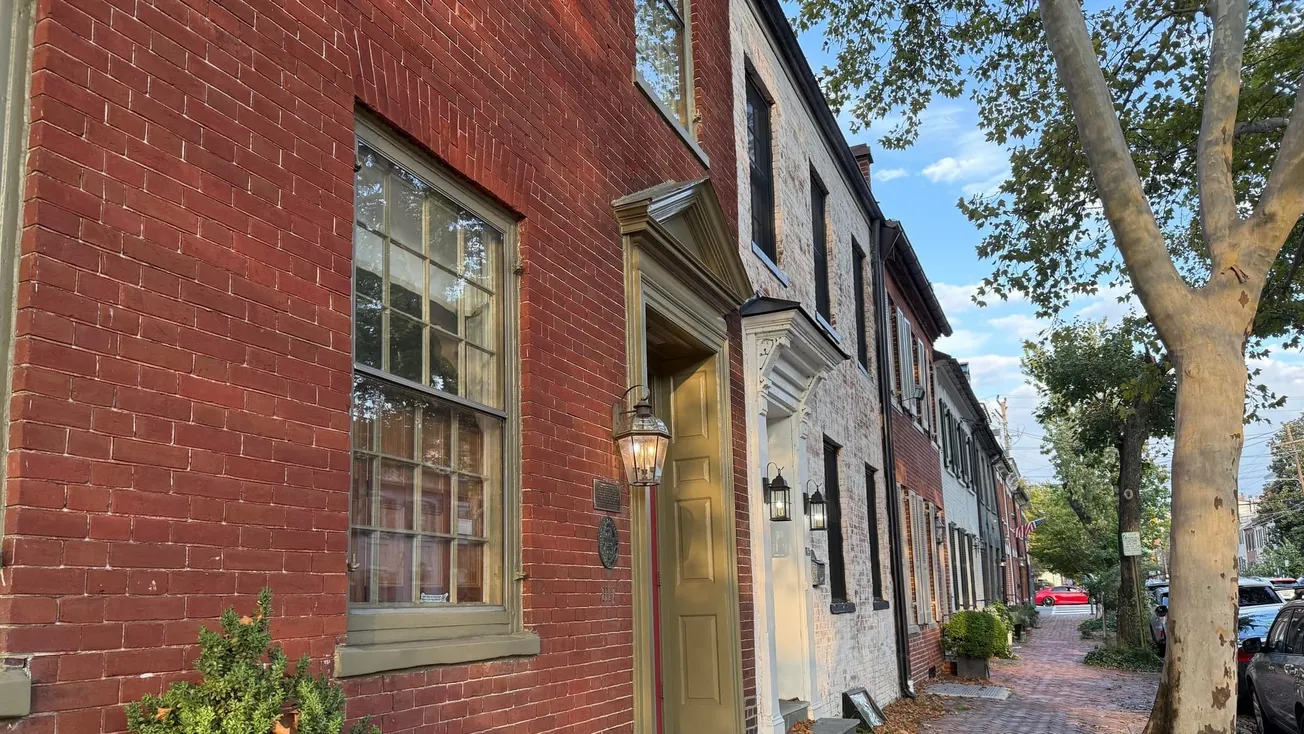
Alexandria was a working port and market town in 1775, not yet 30 years old. But the city's position — on the Potomac, near Mount Vernon, on the route between northern and southern colonies — meant that the Revolutionary War's leading figures passed through its streets. The Fairfax Resolves, an early statement of colonial grievances drafted by George Mason in 1774, had been adopted by the citizens of Fairfax County at a meeting in Alexandria. The road south from Philadelphia passed within sight of the city's streets. And the man Congress chose to lead the army that morning in 1775 spent the rest of his life with Alexandria at the edge of his daily routine.
Information via the City of Alexandria's Office of Historic Alexandria, the National Park Service, Encyclopedia Virginia, the U.S. Army Historical Foundation, and the Founders Online archive at the National Archives.