Table of Contents
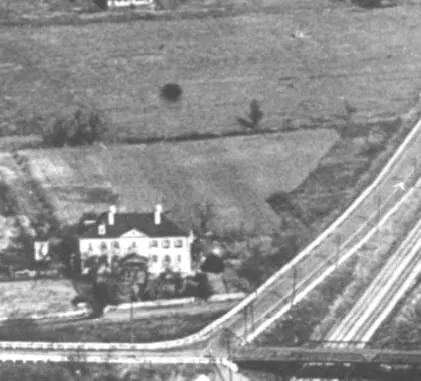
ALEXANDRIA, Va. — On June 22, 1937, the Alexandria City Council appropriated $2,500 to construct a baseball field at the old Almshouse property at Monroe Street and U.S. Route 1. The Almshouse itself was 18th century, built by the city as housing for indigent Alexandrians, and had been sold off years earlier at auction to become a private boarding house. When the new owner's finances collapsed in the early years of the Great Depression, the property reverted to the city. Unable to find a buyer or new use for the building in the depressed real estate market, city officials decided instead to build out the land around it for recreational use — a baseball field next to the old building, with the Almshouse itself repurposed for the storage of baseball equipment.
The new ball field proved immediately popular and remained the heart of youth baseball in the area for decades. Some 40 years after its construction, the city renamed it in honor of Alexandria developer Eugene Simpson, a longtime supporter of Alexandria youth athletic programs. Simpson Field — at 426 E. Monroe Avenue in Del Ray — remains one of the most heavily used youth athletic fields in the city today. The Alexandria Aces, the city's college summer-league baseball team, play their home games at Frank Mann Field, but generations of younger Alexandria players have come up through the diamonds at Simpson, in a public space that began as the city's response to a property it couldn't sell during the Depression.
Information via the City of Alexandria's Office of Historic Alexandria.
Also on June 22 in Alexandria history: When the police chief moved to regulate bicycle riding in the city
On June 22, 1893, Alexandria Police Chief James F. Webster told local reporters that bicycles had become so popular and so common on city streets that the police would need to regulate their operation. Webster was particularly concerned about night riding — the bicycle of the 1890s typically had no lights, no bell and no brakes worthy of the name, and Alexandria's streets in the early evening were a busy mix of pedestrians, horse-drawn carriages, freight wagons, streetcars and increasingly the new two-wheeled machines that had captured the imagination of a generation. The 1893 ordinance Webster proposed was part of a wave of similar regulations being adopted in cities across the country, as municipal governments worked out for the first time how to fit a fast new mode of personal transportation into urban infrastructure that had been built for slower traffic.
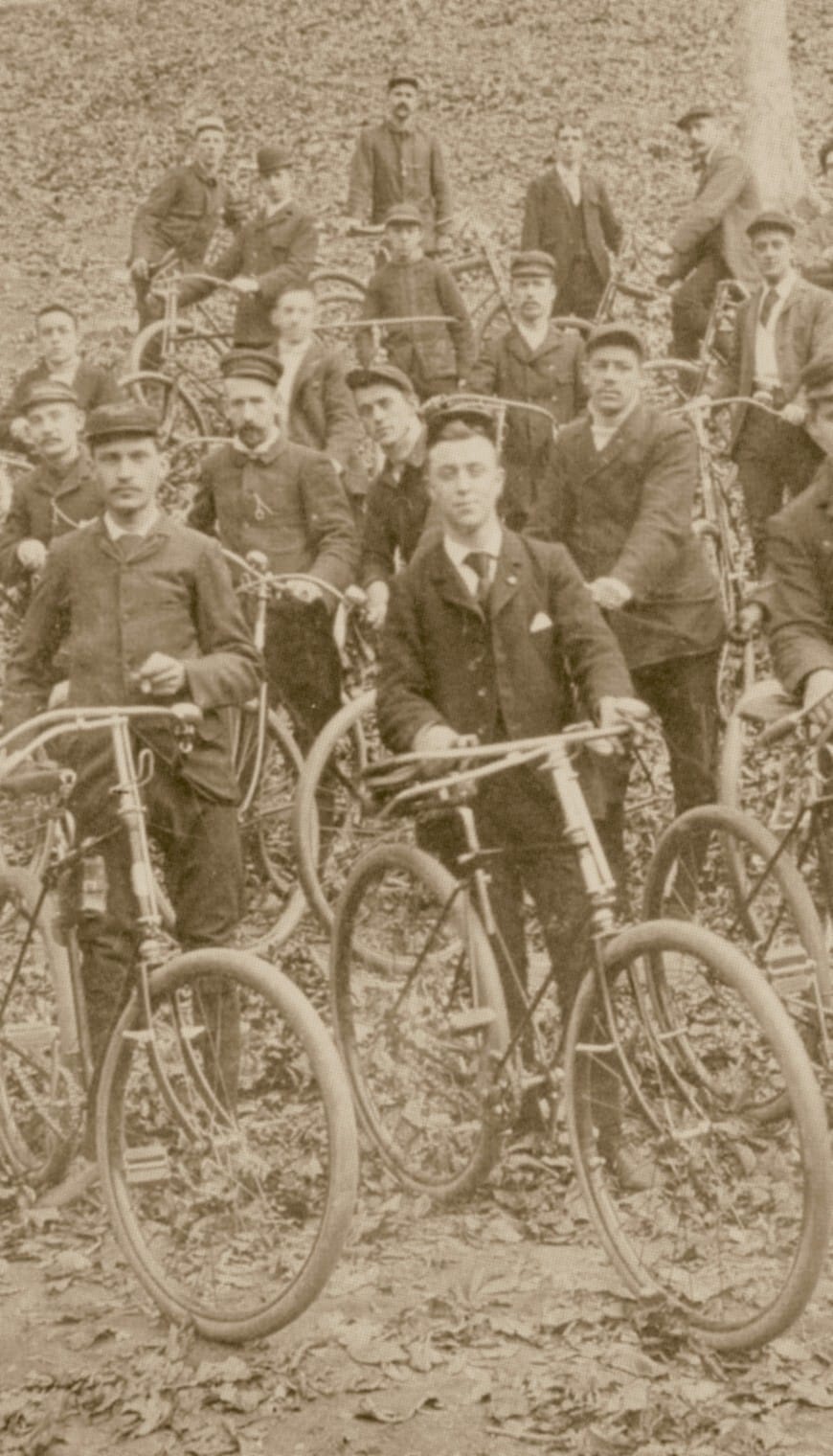
In Alexandria, the bicycle craze of the 1890s would persist long enough to support a formal Alexandria Bicycle Club, photographed in a now-iconic image held by the Alexandria Library's Special Collections that shows a group of riders posed with their machines around 1905. The bicycle ordinance Chief Webster pushed for would eventually become one of the first chapters in what later became Alexandria's modern traffic code.
Information via the City of Alexandria's Office of Historic Alexandria and Alexandria Library Special Collections.