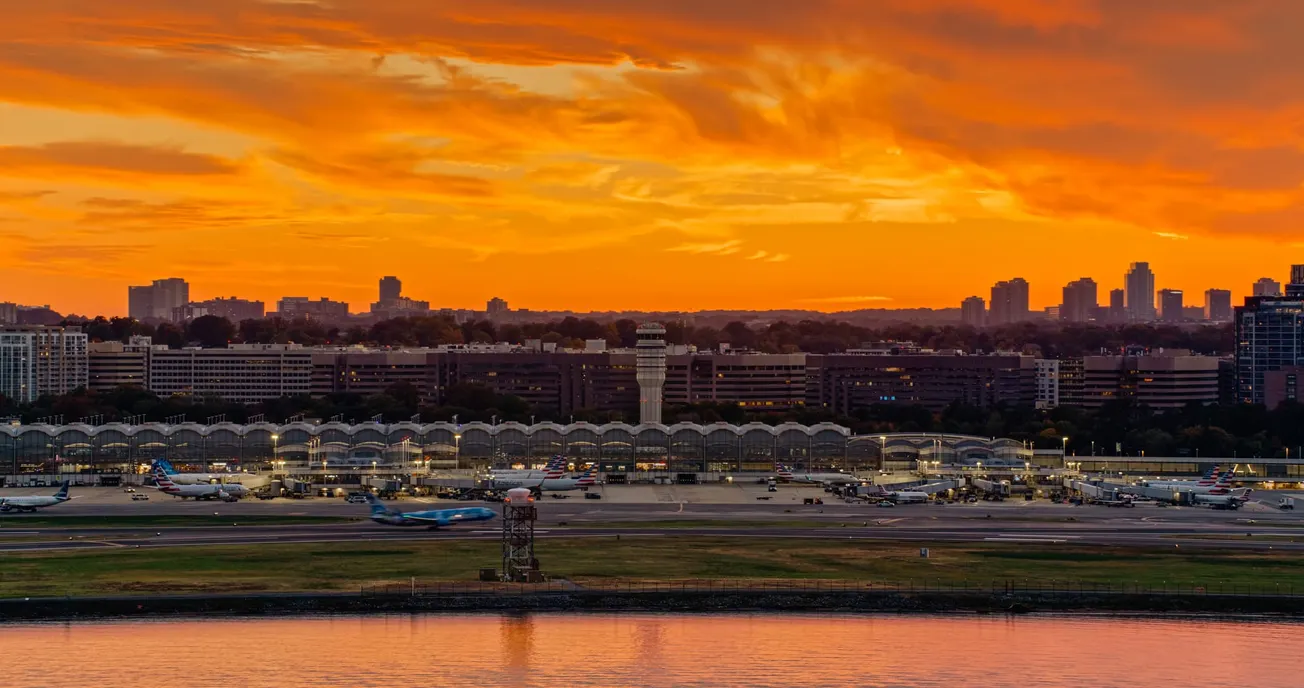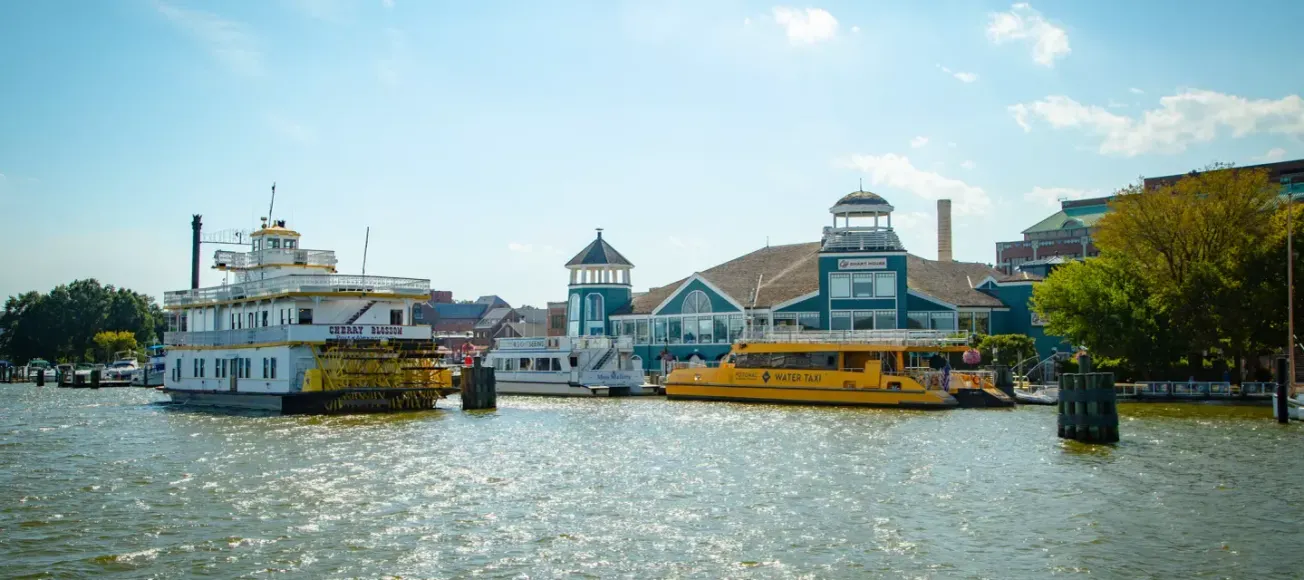
The Potomac River — which runs along Alexandria's waterfront and serves as a primary source of drinking water for the Washington region — has been named the most endangered river in the United States, according to American Rivers' annual America's Most Endangered Rivers® report released Monday.
The conservation organization placed the Potomac at the top of its 2026 list, citing what advocates are calling a "one-two punch": the rapid, unchecked expansion of data centers across the Potomac watershed and a historic sewage spill that laid bare the vulnerability of the region's aging infrastructure.
"The Potomac is our Nation's River," Betsy Nicholas, president of the Potomac Riverkeeper Network, told WUSA9. "We must do all we can to protect it for this generation and those to come. We urge that lawmakers and regulators require investigation into data centers' water use, toxins associated with them, and impacts on affected communities before hasty approvals of their construction cause irreparable harm."
Data centers: A growing threat
The Potomac watershed is experiencing a dramatic surge in data center development, particularly in Northern Virginia and parts of Maryland, without watershed-wide analysis of the impacts on water availability or quality, according to American Rivers. Northern Virginia — already nicknamed "data center alley" — is home to more than 300 data centers, with more facilities proposed.
"The Potomac is at an inflection point and cannot continue to sustain the rapid expansion of water-guzzling data centers drawing from its waters," Pat Calvert, Virginia conservation director for American Rivers, told WUSA9. "Act now or watch this river be detrimentally redefined for the everyday citizen that depends on it."
A winter disaster still fresh
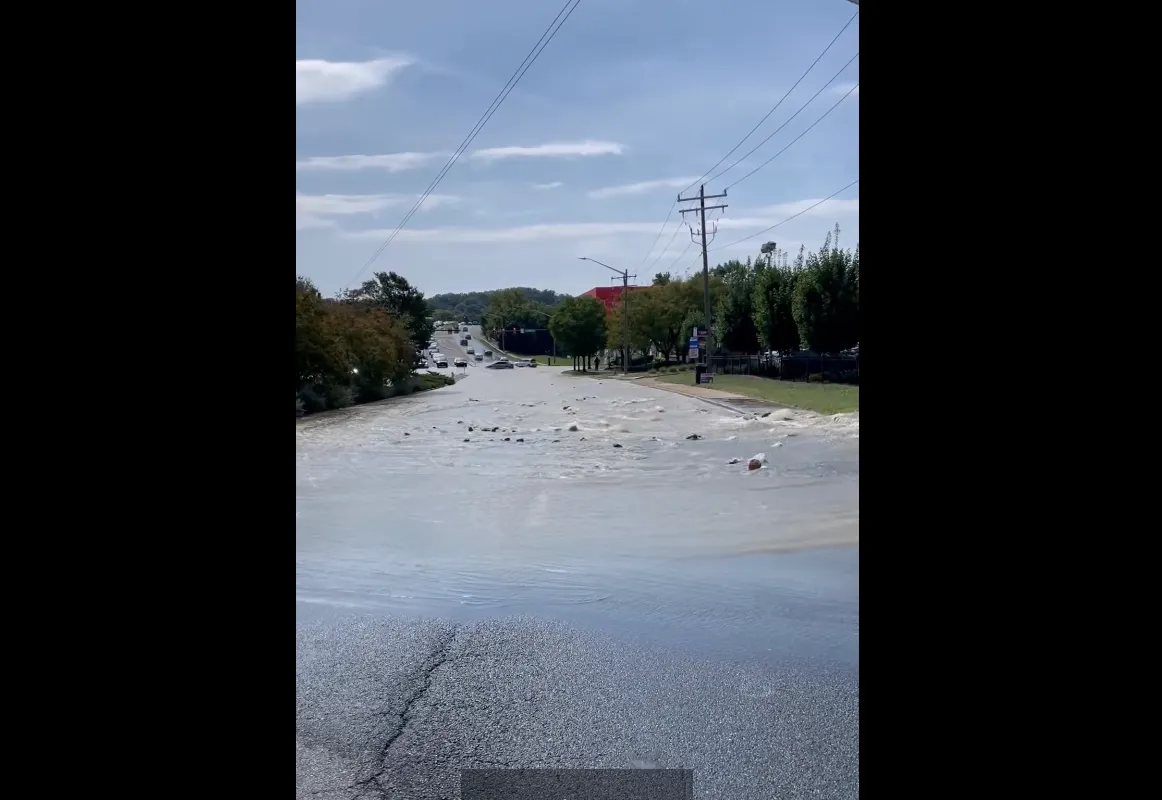
On Jan. 19, a section of the 72-inch-diameter Potomac Interceptor sewer line collapsed near the Clara Barton Parkway in Montgomery County, Maryland, approximately five miles upstream of Washington, D.C. An estimated 240 million to 300 million gallons of untreated wastewater spilled into the Potomac River — one of the largest sewage spills in U.S. history, according to the University of Maryland School of Public Health. At that time, the Virginia Department of Health issued a recreational water advisory covering more than 70 miles of the river's shoreline.
The Potomac Riverkeeper Network called the collapse a wake-up call. "Failing wastewater infrastructure is polluting our rivers. Aging pipes are breaking, and without real investment and oversight — including federal and state investment — it will happen again," David Flores, the network's vice president and general counsel, told WUSA9. "We need immediate action to fix these systems and ensure accountability, monitoring, and long-term restoration of the Potomac."
Alexandria purchases its drinking water already treated from Fairfax Water, which draws from the Potomac River and the Occoquan Reservoir. While the city's water supply was not directly interrupted, the Alexandria Health Department confirmed it had not seen any upticks in gastrointestinal illnesses commonly associated with contaminated water.
DC Water, the utility overseeing cleanup efforts, said conditions have improved significantly. "The Potomac River is resilient, and our water quality sampling has shown for the past two months E. coli levels have been within the typical range for recreation," the agency told WUSA9. Emergency repairs were completed March 14, when flow was restored through the interceptor, and the Virginia Department of Health subsequently lifted its remaining recreational water advisory on March 17.
A call to action, 41 years running
The annual America's Most Endangered Rivers® list, now in its 41st year, is designed as a call to action, drawing attention to urgent threats and spotlighting solutions needed to protect rivers that communities, farms, and local economies depend on. American Rivers issues the rankings each year in partnership with local advocates and community groups.
Nine other rivers joined the Potomac on this year's list, including the San Joaquin River in California, where a proposed gravel mine threatens drinking water and salmon restoration efforts, and the Lumber River in North Carolina, where toxic PFAS chemicals and industrial pollution are pushing a federally designated Wild and Scenic River to the brink.
Founded more than 50 years ago, American Rivers works to safeguard the nation's 4.4 million miles of rivers and streams. The organization focuses on three core pillars: ensuring clean drinking water for millions of Americans, helping communities reduce flood and drought risk by restoring damaged waterways, and protecting freshwater habitats for wildlife. Freshwater species, the group notes, are going extinct at twice the rate of land or ocean wildlife.
For more information on the 2026 America's Most Endangered Rivers® report, visit americanrivers.org.