Table of Contents
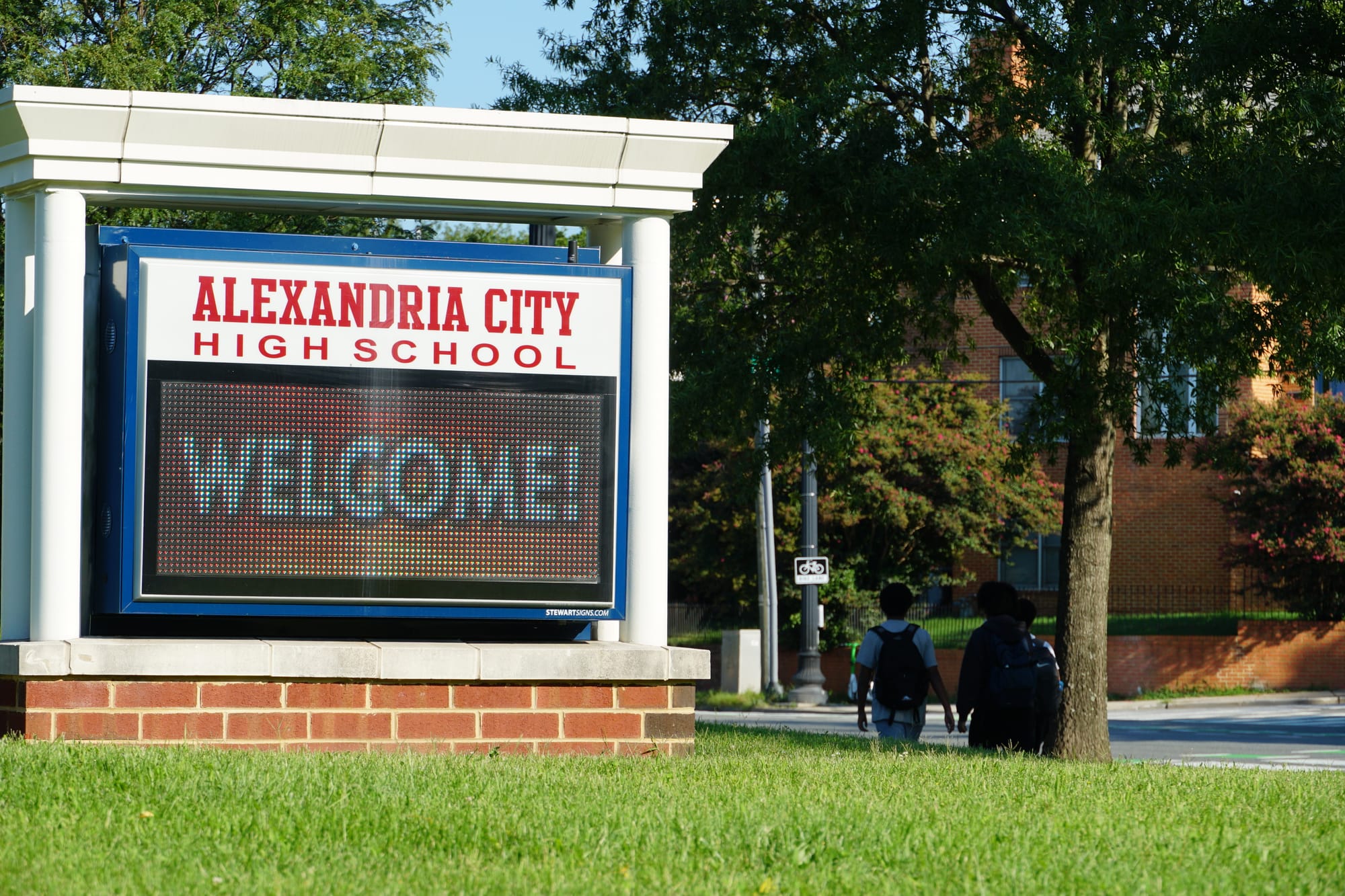
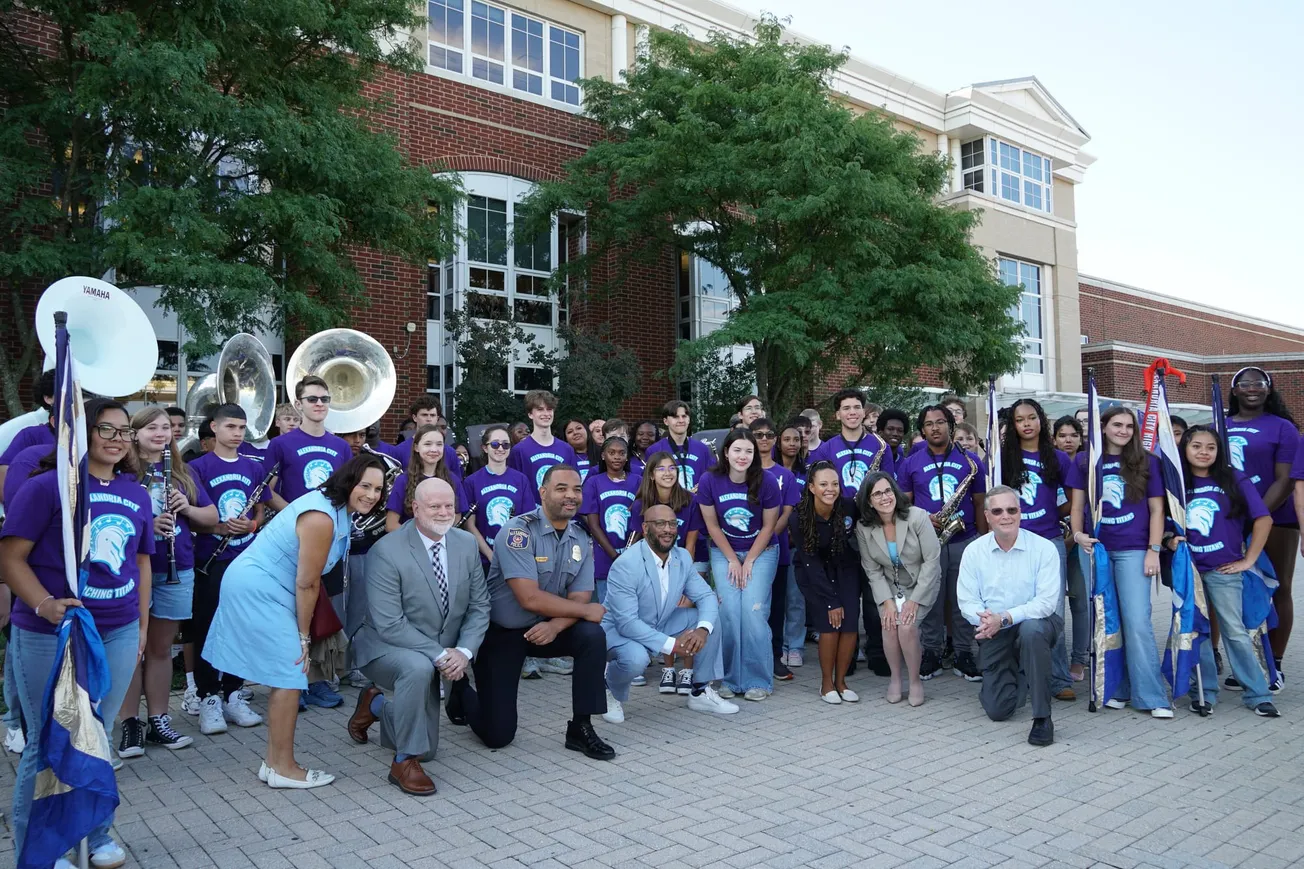
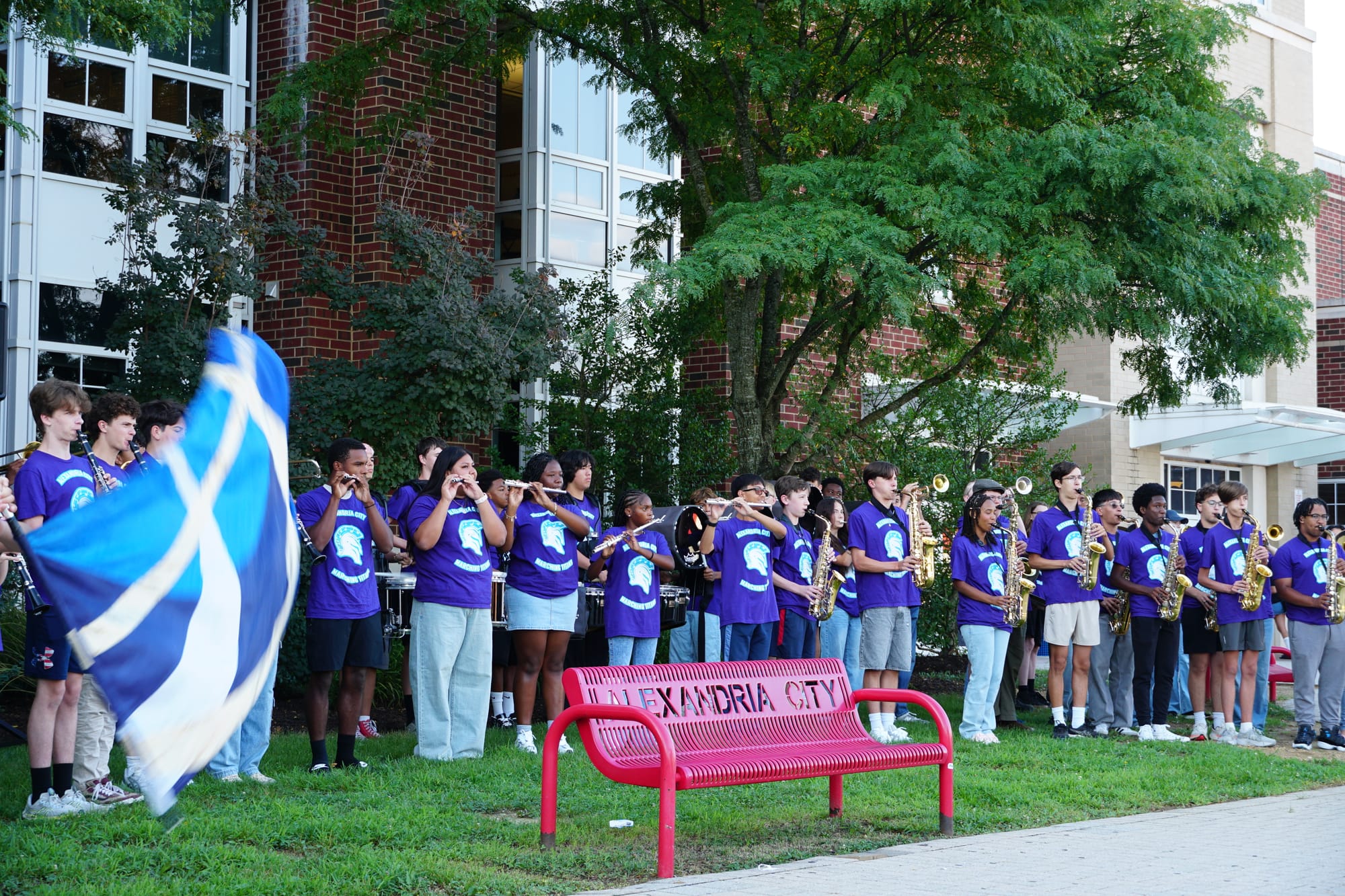
ALEXANDRIA, Va. — The buses emptied and the marching band started up, and waiting on the sidewalk to watch Alexandria's students walk back into school Monday morning were the mayor, the police chief, a new School Board chair, a new principal and an acting superintendent 12 days into the job.
It was 68 degrees and sunny. Mayor Alyia Gaskins had arrived before the band began playing.
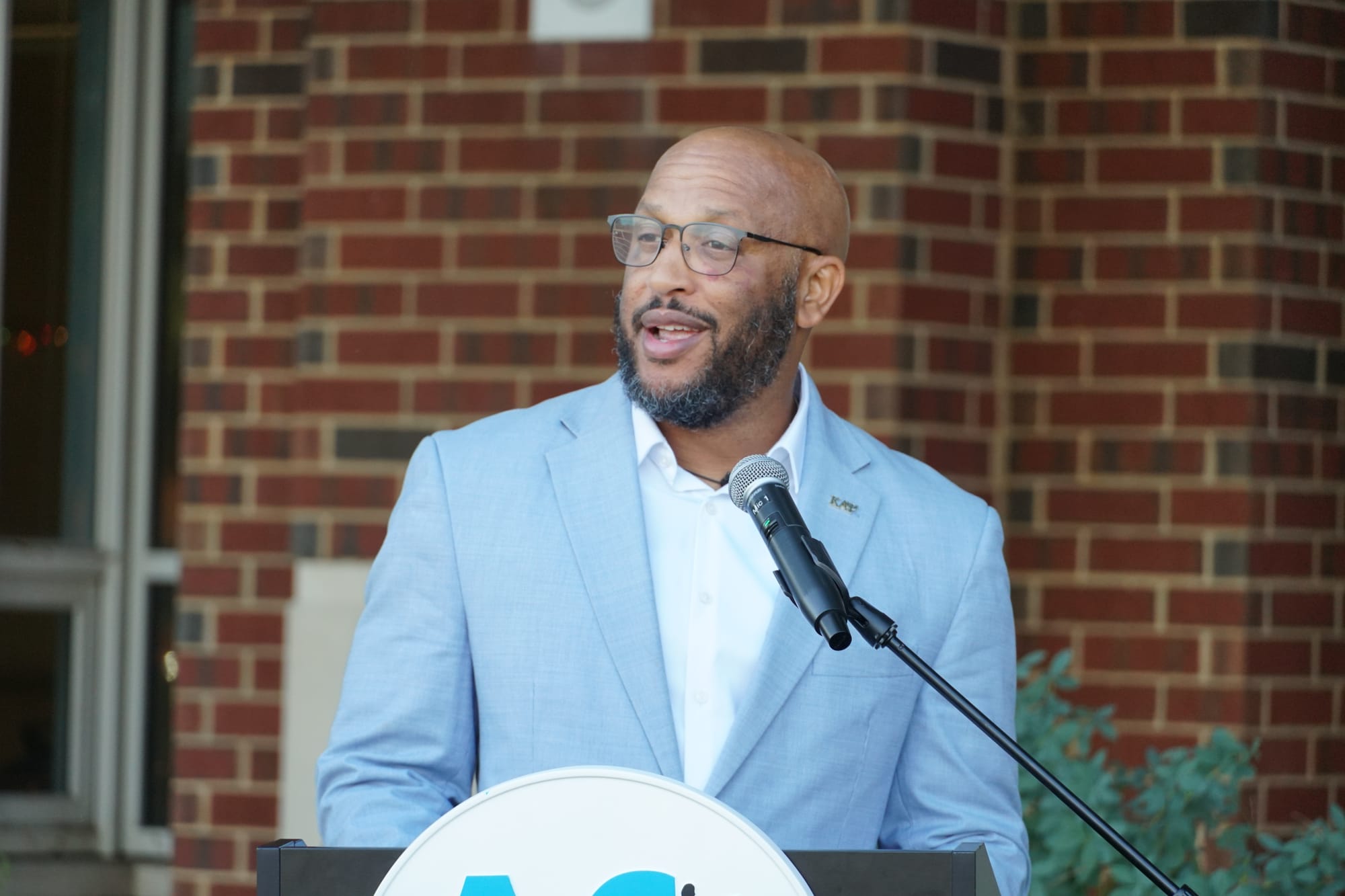
Michael Burch, beginning his first year as principal of Alexandria City High School, opened by admitting nerves. He has worked in the building 17 years, he said, and still felt like an arriving freshman. He then introduced Acting Superintendent Grace Taylor as a graduate of the school.
"This is going to be the best school year yet," Taylor said.
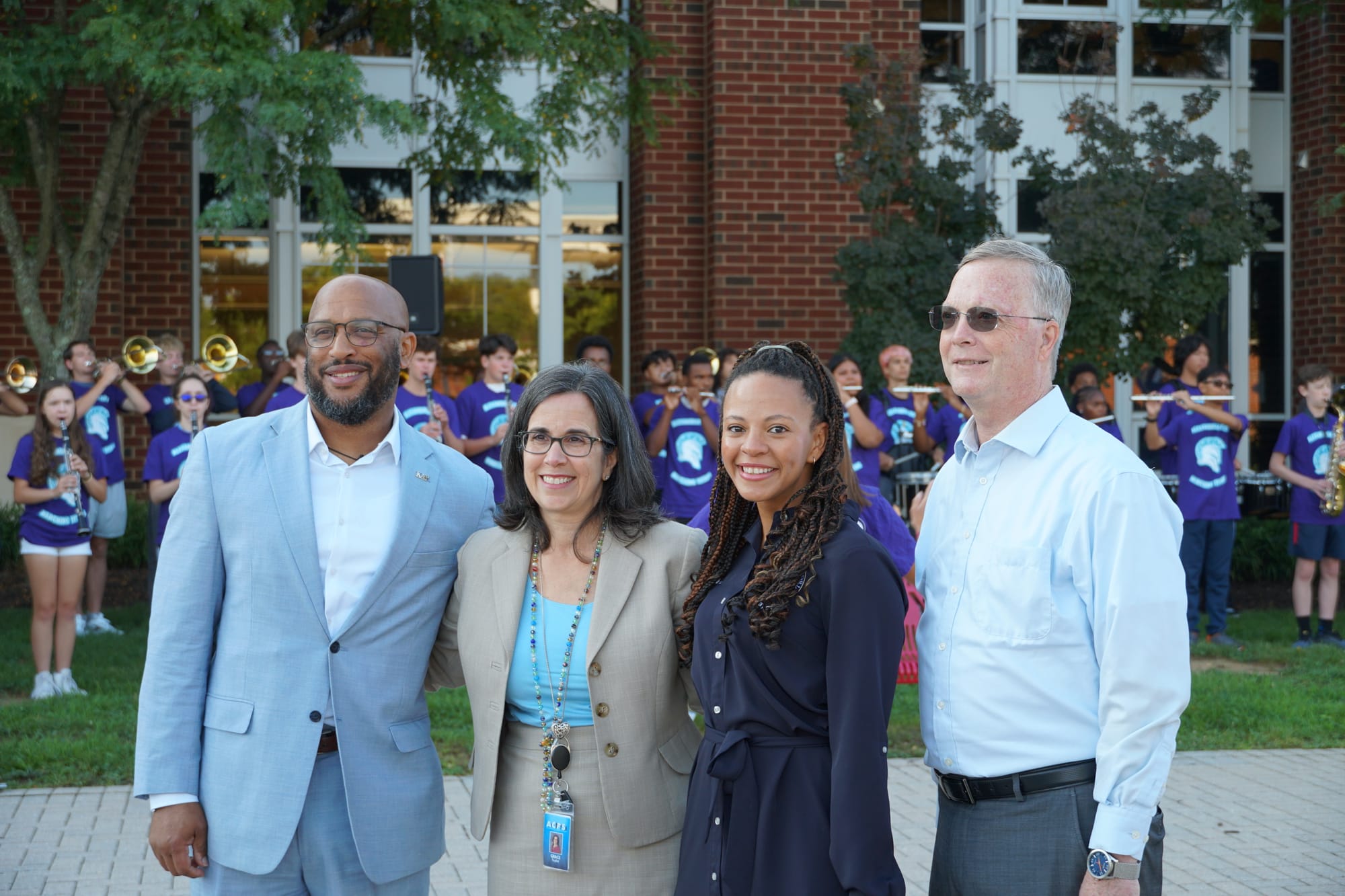
She had started her morning at the bus depot, where she said more than 100 buses rolled out across the city. She reserved her warmest words for the youngest arrivals, calling the incoming kindergartners the class of 2039, and thanked volunteers for stuffing more than 3,500 backpacks with school supplies.
The division serves more than 15,900 students across 18 schools. They come from more than 118 countries and speak 127 languages.
"Great schools are not simply made up of a collection of educators," Taylor said. "Great schools are communities who make one another better."
School Board Chair Christopher Harris, a former ACPS student and the parent of three graduates, called it a year of change and addressed the biggest one directly. As the redistricting plan is implemented, he said, families and staff should know the board is committed to making the transition as smooth and supportive as possible for everyone affected.
Asked afterward how the division is helping families adjust to the new boundaries, Taylor pointed to the walk zones that took effect with them — the one-mile radius for elementary and middle school students, 1.5 miles for high schoolers — and said ACPS is working with city partners to make sure walking routes are safe.
With any new process, officials acknowledged, there will be bumps, and staff need time to work through them.
The boundaries affected roughly 1,400 enrolled students, and the redrawn walk zones ended bus eligibility for some who rode last year. Families who believe a route is unsafe can request bus service, though the division has said final decisions will not be communicated until on or before Sept. 30.
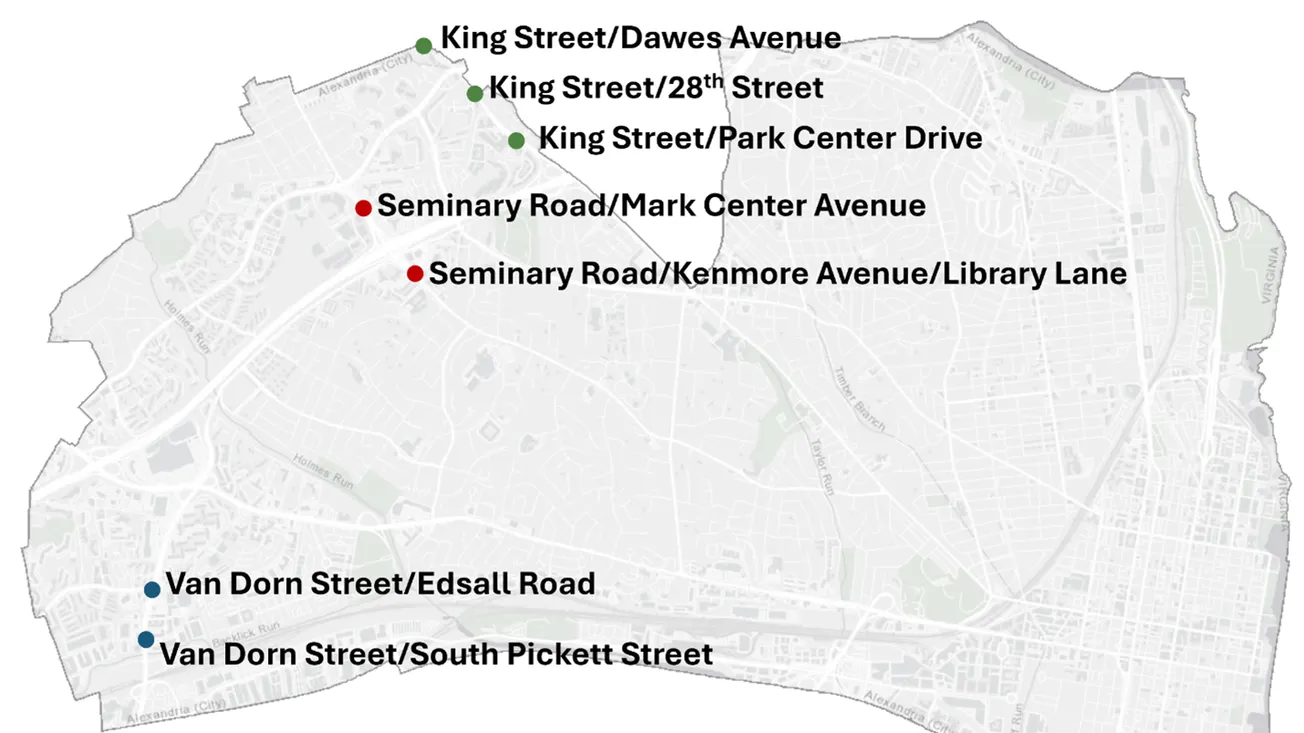
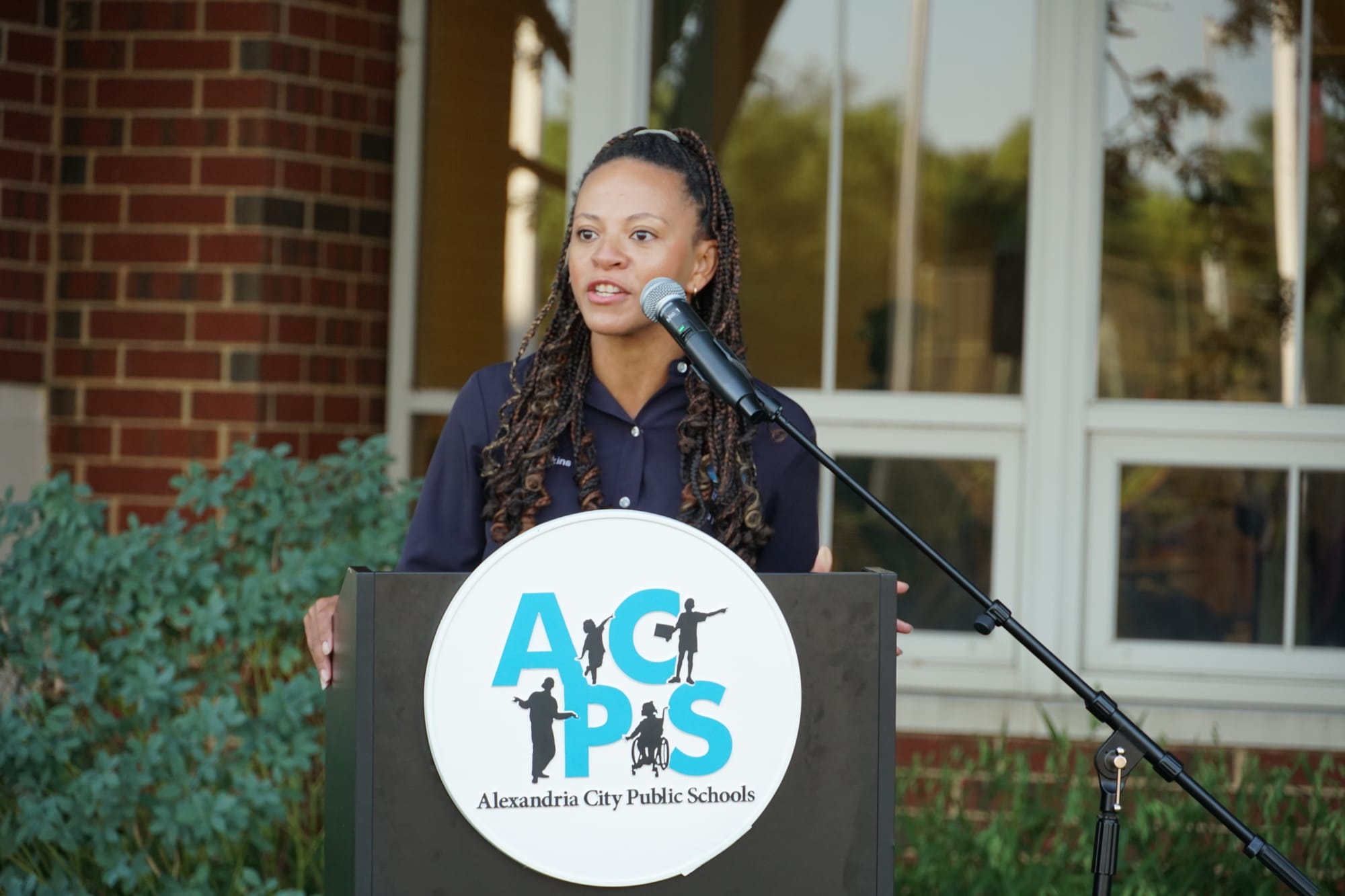
Mayor Alyia Gaskins said the city has extended itself as a partner on getting children to and from school safely. New markings on the road in front of the King Street campus, she said, are meant to clarify where people should walk, where to catch the bus and how buses move in and out. Similar projects are underway across the city, part of Alexandria's Vision Zero and Safer Options programs, and the city is tracking where additional signage or other measures may be needed.
Gaskins also offered the morning's most quoted moment, describing putting her first grader on the bus. She asked whether he was nervous too. "I'm not nervous, Mom, because I know I can do it," she said he told her.
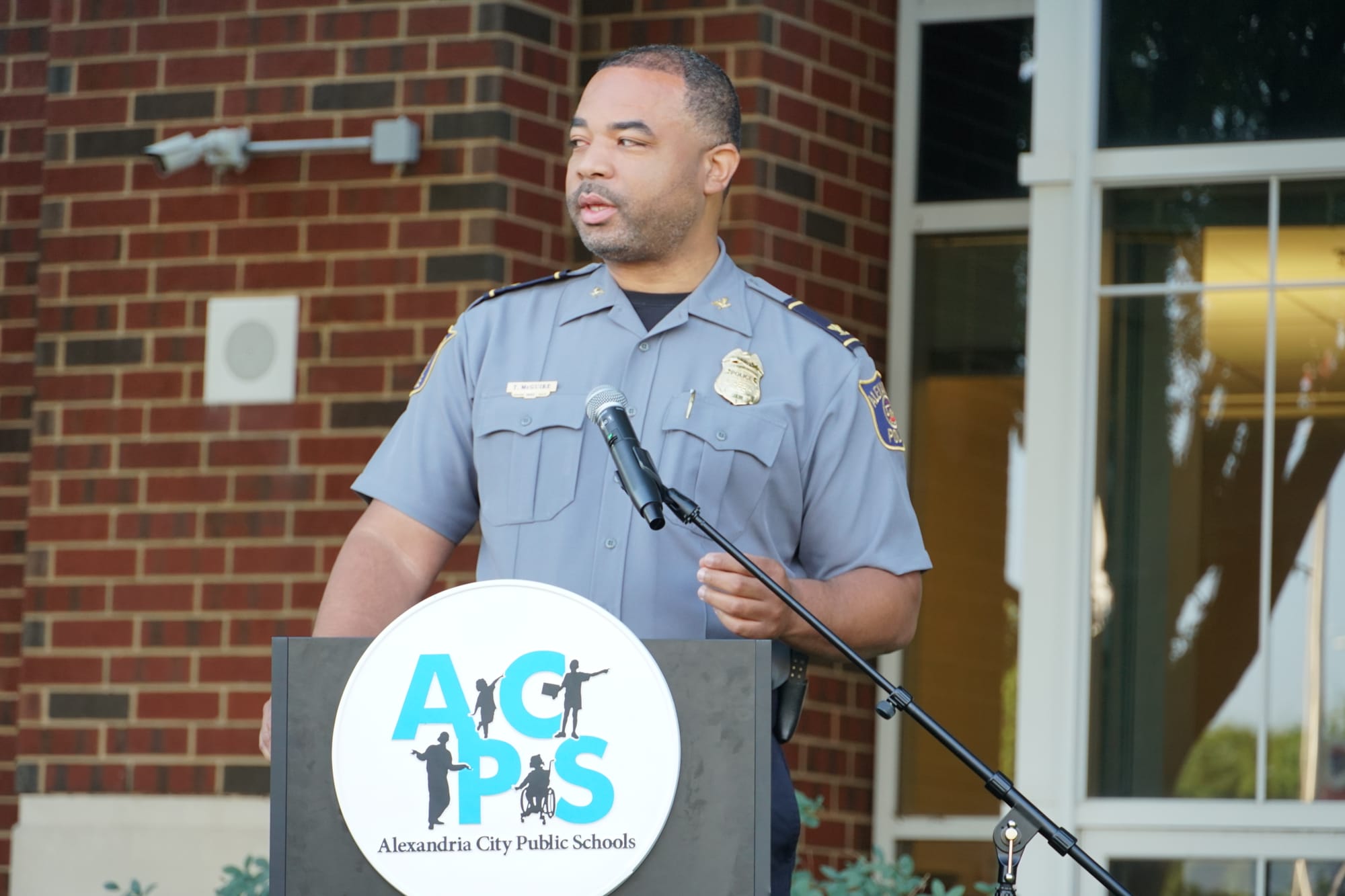
Police Chief Tarrick McGuire spent his morning at Douglas MacArthur Elementary School, crossing children at the crosswalks. He said he saw patience in traffic and crossing guards and school resource officers working together — and he saw drivers parking in bike lanes, mistaking them for parking spaces.
McGuire asked drivers to yield to pedestrians and respect people directing traffic. He also flagged a statistic: nationally, pedestrian crashes involving students peak between 3 and 7 p.m., when children are heading home.
The other change this year is a bell-to-bell phone ban, and it is state law rather than school policy. Gov. Abigail Spanberger rewrote Virginia's statute this summer, tightening the language from restricted to prohibited and barring phones, smartwatches, earbuds and other personal devices for the entire school day. ACHS adopted the slogan "Off, Away, All Day."
Burch said he had sent seven ParentSquare messages about the rule. Full enforcement begins next week — a softer start than he described in July, when he told families there would be no grace period and called it a strict enforcement of the new state law. He was candid then that the enforcement plan was still being built, with deans as the primary enforcers.
The city's school-zone speed cameras also resumed issuing citations Monday.
Inside, the year actually started
The outdoor welcome wrapped up at 8:31 a.m., four minutes before the first bell, and the officials went in.
What they walked into was the ordinary business of a first morning. Teachers were introducing themselves to students. Students were introducing themselves to teachers. Some were quiet. Some were shy. Some were thrilled to meet a police chief and a mayor, and a few recognized Gaskins on sight — in a ninth-grade German class, a student looked up and announced it: the mayor's here.
In an AP Biology classroom, the teacher was telling her students who she is, showing photographs from her summer. Her family. Her dog. Trips she had taken. The small offering that begins the work of getting a roomful of teenagers to trust her by June.
Taylor stopped in each classroom and said a few words. She told the ninth graders that theirs is the most important grade.
In another room, she told students she had been watching when they arrived that morning. Some of them, she said, came skipping through the doors.