Table of Contents
Lawmakers in Virginia and Maryland advanced Metro funding legislation Thursday, a step forward for a regional transit investment that Alexandria City Council unanimously endorsed in January and that Alexandria's mayor has helped lead.
The Maryland House of Delegates passed the Metro Funding Modification Act of 2026, proposing an additional $150 million in annual capital funding for WMATA. In Virginia, the Senate and House have each released budget proposals addressing Metro's capital and operating needs and appointed conferees to negotiate a final agreement before the session closes March 14.
Alexandria City Council unanimously endorsed the DMVMoves regional transit plan at its Jan. 27 meeting, joining Arlington, Fairfax and Loudoun counties and several Maryland jurisdictions in backing the initiative. At the same meeting, council approved an additional $35 million to close out the $385 million Potomac Yard Metro station project. Staff recommended the DMVMoves endorsement as conceptual, without committing specific funding at this time.
Mayor Alyia Gaskins, who was elected vice chair of the Metropolitan Washington Council of Governments Board of Directors in January — giving Alexandria a direct leadership role on the 34-member regional policy body — has been among the plan's most prominent regional advocates. She was among the COG board members who voted unanimously in November to adopt the broader DMVMoves plan.
The plan calls for Maryland, Virginia and the District of Columbia to collectively contribute $460 million per year in new capital funding for Metro, indexed to grow at 3 percent annually. Virginia's share is estimated at $136 million to $142 million annually.
"Dedicated funding for Metro would be transformative, an achievement that has not been realized in our 50-year history," said Metro General Manager and CEO Randy Clarke. "This funding will fundamentally change Metro and the region's trajectory."
COG Executive Director Clark Mercer cited the wave of local endorsements — including Alexandria's — as momentum behind the legislative push.
"This funding will help advance our transformative vision for transit and ensure the world-class network that is so central to our region's quality of life and economic competitiveness," Mercer said.
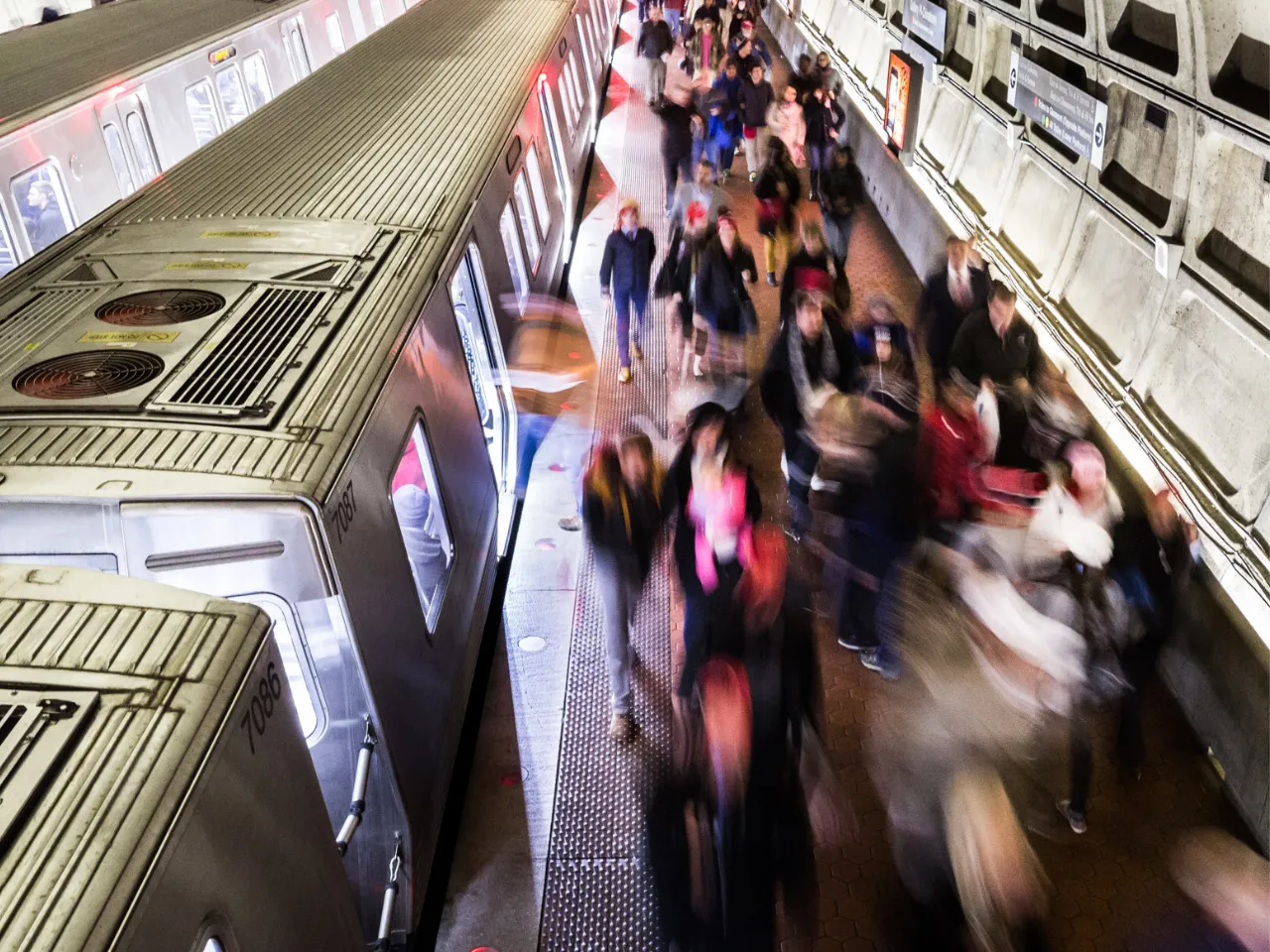
Alexandria is served by five Metro stations. Without new dedicated funding, WMATA projects it will reach its debt capacity limit by fiscal year 2029.