Table of Contents
ALEXANDRIA, Va — The Washington Metropolitan Area Transit Authority's Board of Directors on Thursday adopted a $4.8 billion fiscal year 2027 operating and capital budget that holds fares flat and phases in service improvements for Alexandria-area riders over the next eight months.
The vote confirmed the revised plan Metro General Manager Randy Clarke put forward in late March, which trimmed jurisdictional subsidy growth and deferred some rail upgrades to meet regional funding constraints.
"Over the past year, our Board has focused on ensuring transparency and accountability of WMATA operations and decision-making, ensuring that risks are mitigated appropriately, and that WMATA operates efficiently and safely," WMATA Board Chair Valerie Santos said in a statement. "The budget that we adopted balances today's service needs with the budget realities of our local funding partners."
The budget raises jurisdictional subsidies by less than 1.8 percent, below the regional target of 3 percent. Virginia's contribution is projected at $500 million, a 1.6 percent increase over the current fiscal year.
Two Virginia bus routes improve June 21
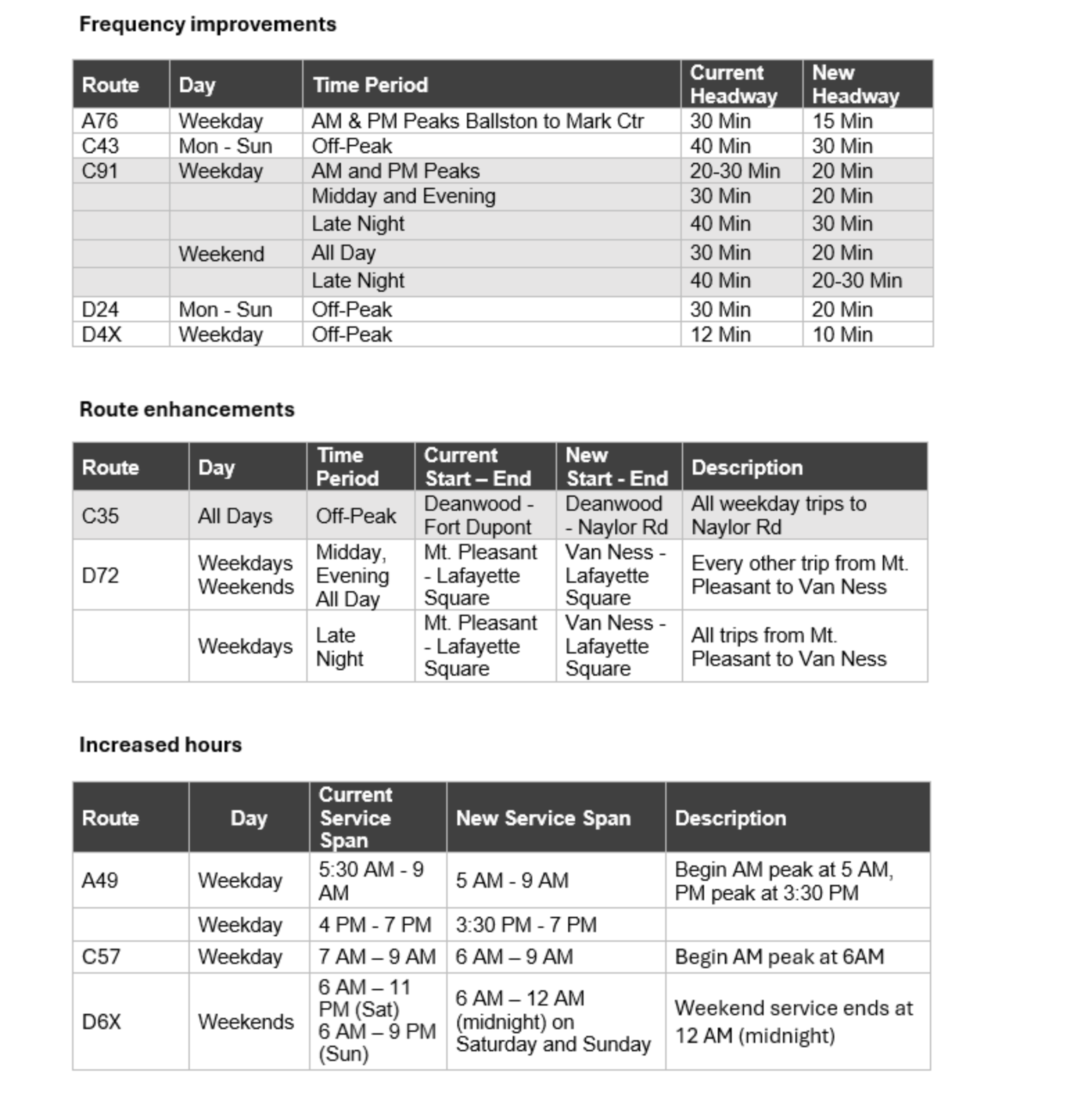
Of the bus routes Metro is improving in its June 21 service change, only two serve Virginia: the A76 and the A49.
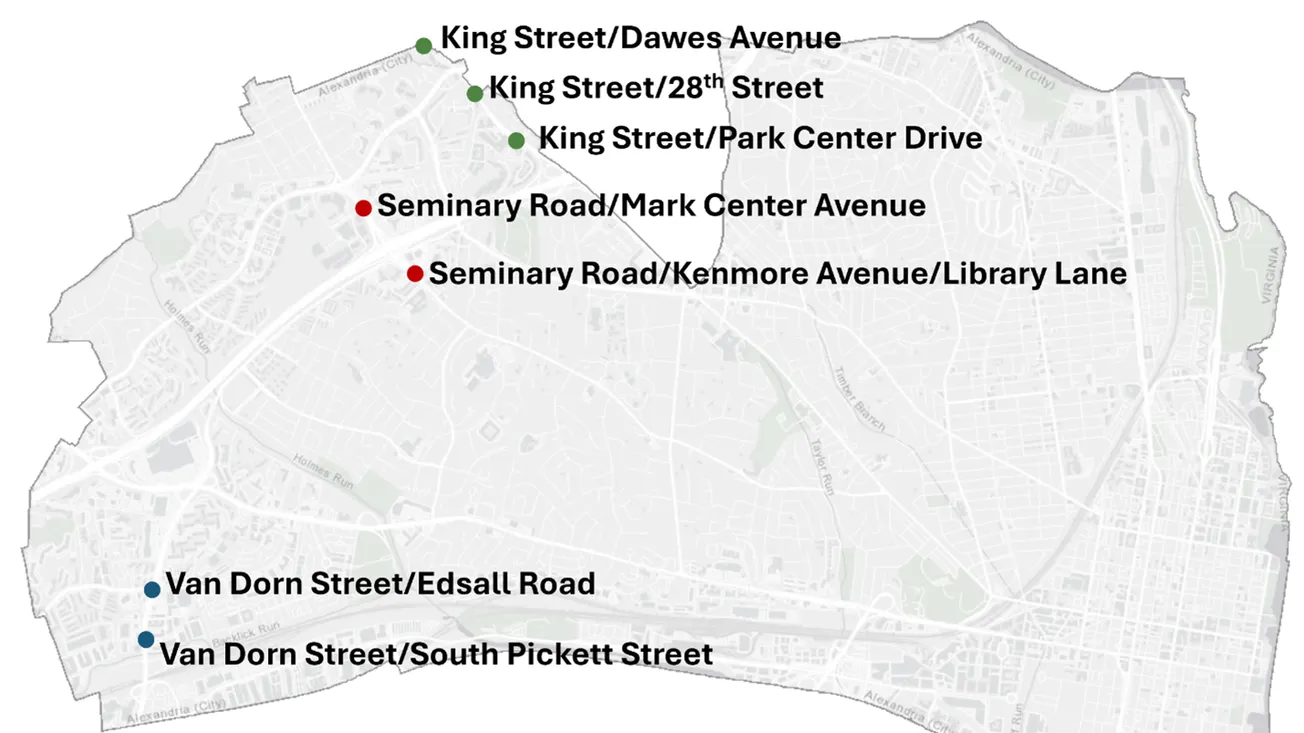
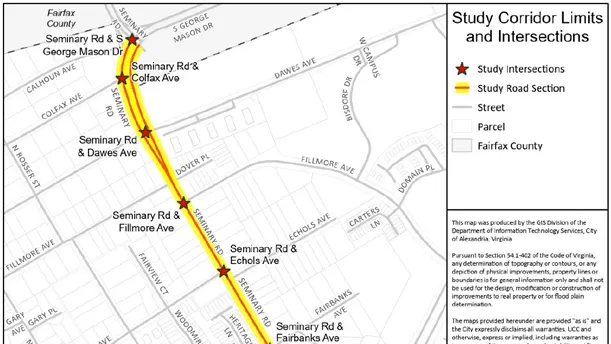
Route A76 — which connects the Mark Center to Ballston-MU and Virginia Square-GMU and continues to Rosslyn — will run every 15 minutes during weekday peak periods between Mark Center and Ballston, improved from every 30 minutes. The route largely replaced the former 25B when Metro launched its Better Bus network redesign in June 2025, and also serves Southern Towers and the Northern Virginia Community College-Alexandria campus on Fillmore Avenue.
Route A49 will see its weekday peak hours extended. The A49 runs from Culmore in Fairfax County to Metro Center in downtown Washington via Leesburg Pike, Columbia Pike, South Courthouse Road, 18th and 19th streets, and K Street. Under the new schedule, morning peak service will begin at 5 a.m. rather than 5:40 a.m., and afternoon peak service will begin at 3:30 p.m. rather than 4:10 p.m. The route will also add bi-directional trips, replacing the current peak-direction-only service.
Rail and new routes in December
The rail improvements Alexandria commuters have been waiting for arrive in December, later than initially proposed. Blue line trains — which serve King Street-Old Town, Eisenhower Avenue, Braddock Road, Van Dorn Street and Franconia-Springfield — will run every 10 minutes on weekdays from the start of service through 9:30 p.m., improved from the current 12-minute off-peak headway. The Orange and Silver lines will see the same change.
Because the Blue, Orange and Silver lines share track through the region's core, the combined effect is greater service on the interlined segments. Metro projects trains every 3.3 minutes between Rosslyn and Stadium-Armory, every 5 minutes between East Falls Church and Rosslyn, and every 6.7 minutes on the New Carrollton and Downtown Largo branches. The plan also calls for more eight-car trains and schedule adjustments to handle peak ridership.
Clarke originally proposed the rail improvements for July 2026 but deferred them to December to reduce the jurisdictional subsidy increase.
December will also bring a new limited-stop Virginia bus route that runs through Alexandria. Route F2X will connect Spring Hill station to West Alexandria via Leesburg Pike and the Mark Center, giving the Mark Center area a second frequency boost to go with the June A76 changes. A second new limited-stop route, A6X, will link Dunn Loring station to Pentagon and Crystal City stations via Arlington Boulevard. Funding for both routes is contingent on approvals this summer by the Northern Virginia Transportation Commission and the Virginia Commonwealth Transportation Board.
"Metro has led the country in ridership growth in recent years, and this additional service will help meet the growing demand on bus and rail," Clarke said in a statement. "We remain committed to running safe, frequent, and reliable service for our customers and planning for future rail modernization that would make Metro Rail even safer and more efficient."
New fee for Abilities-Ride users
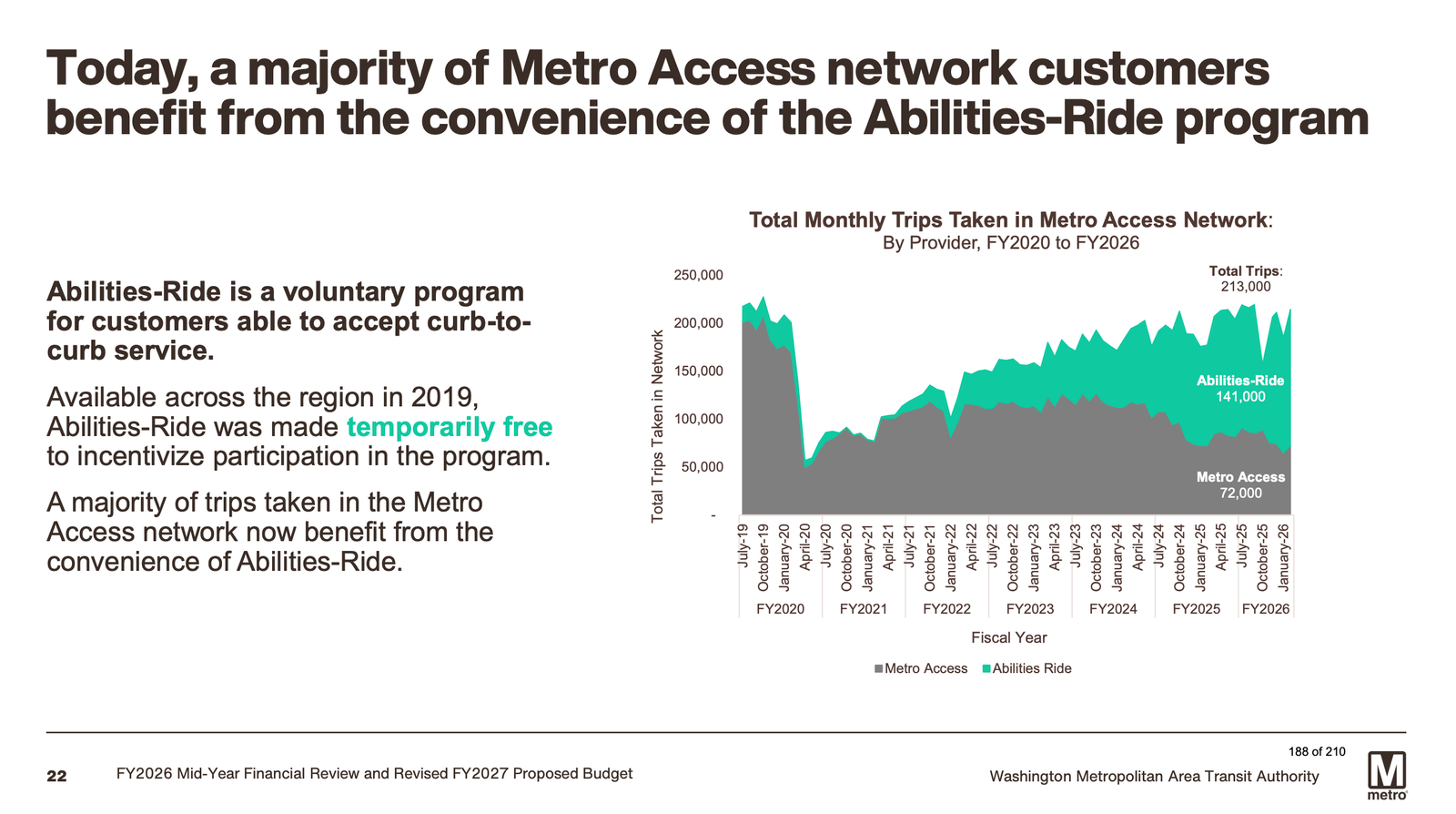
One new cost in the approved budget affects Metro's paratransit riders. Starting July 1, Metro will administer a $3 per-trip administrative fee on each Abilities-Ride trip. The curb-to-curb program, which Metro rolled out across the region in 2019 and made temporarily free to encourage participation, now accounts for the majority of trips in the Metro Access network. Metro's budget presentation showed 141,000 Abilities-Ride trips in a recent month, compared with 72,000 traditional Metro Access trips, out of 213,000 total.
Capital program and Red Line modernization
The capital portion of the budget funds the first steps of a rail modernization program on the Red Line, which opened more than 50 years ago. Planned investments include a new Communications-Based Train Control signaling system, platform screen doors and upgrades to improve capacity, safety and reliability. The Red Line will also see late-night service improve to every 7 to 8 minutes after 9:30 p.m., from every 10 minutes today. The Red Line does not serve Alexandria directly, but Metro said it moves more people daily than the region's three airports combined.
Other capital investments include continued acquisition of 8000-series railcars assembled in Maryland, signal system upgrades, track and structural rehabilitation, tunnel water leak mitigation, station improvements, and a modernized fare payment system. Metro said its longer-term capital needs still depend on the DMVMoves regional funding initiative, with legislative approvals expected before the FY2028 capital budget is adopted.
Metro also plans to complete installation of a new public safety radio system in Alexandria and other jurisdictions by summer 2027, part of a $608.7 million infrastructure overhaul underway since 2017.
Metro Bus and Rail fares will remain at current rates under the adopted budget.