Table of Contents
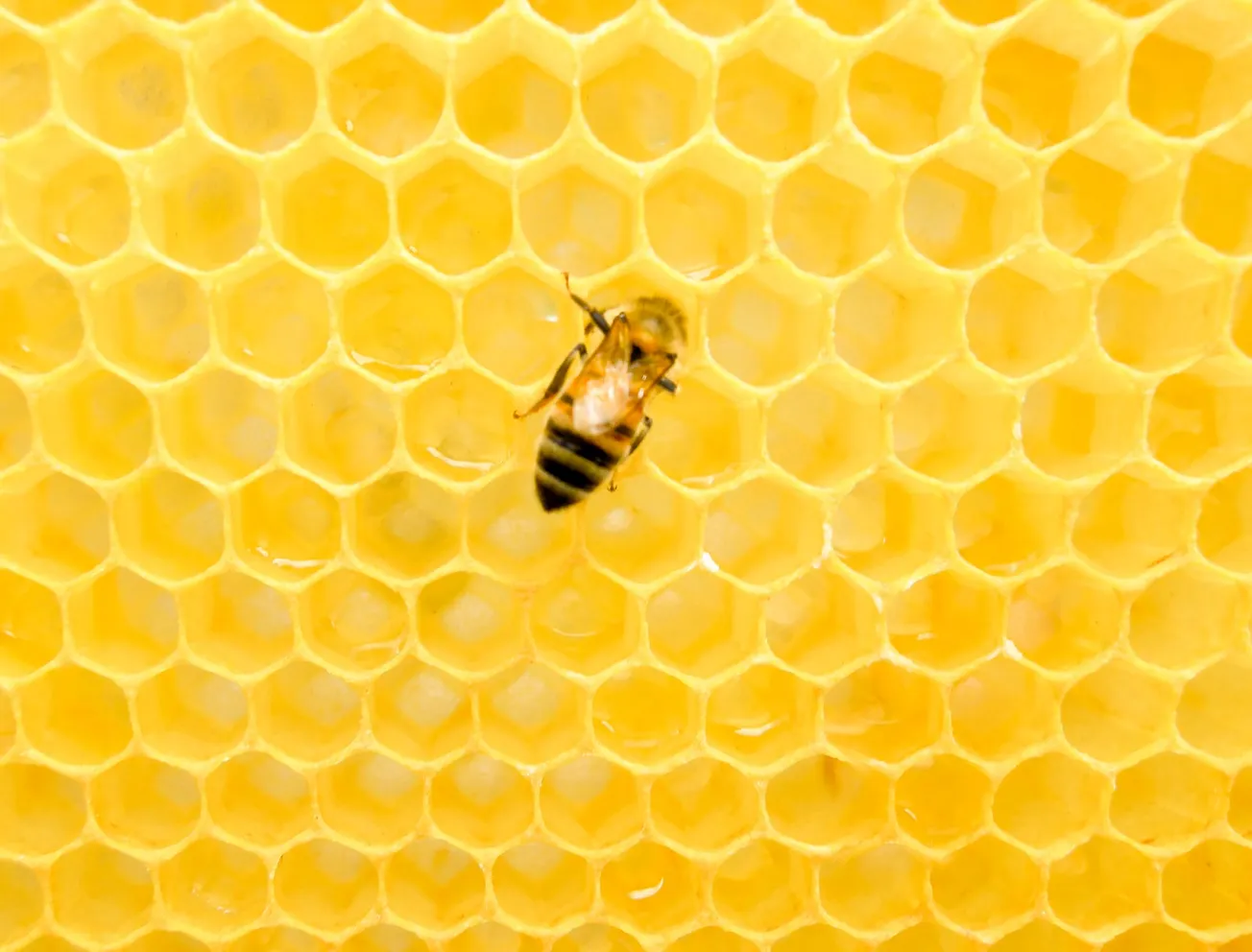
ALEXANDRIA, Va — City planners are recommending Alexandria's first zoning rules for backyard beekeeping, a move that would fill what staff describe as a gap in a city code that currently says nothing about the practice.
The Planning Commission is scheduled to take up the proposal, Zoning Text Amendment 2026-00002, at its May 5 public hearing at the Del Pepper Community Resource Center, 4850 Mark Center Drive. The City Council is set to hear the item May 16.
Staff are asking the commission both to initiate the amendment and to recommend approval, according to the staff report prepared by Division Chief Tony LaColla, Principal Planner Sam Shelby and Urban Planner Catherine McDonald.
The City Council added beekeeping regulations to the interdepartmental workplan in June 2025. Until now, no provisions in the city code or zoning ordinance have governed the activity, though Virginia law already requires beekeepers to comply with state rules on bee disease suppression, apiary identification and colony standards.
Under the proposal, the zoning ordinance would, for the first time, define beekeeping as "the production of, care, and management of colonies of bees," and define beekeeping equipment to include hives, hive stands and flyway barriers. Both would be permitted as accessory uses and structures at residential properties.
The heart of the proposal is a set of land-use controls aimed at limiting impacts on neighbors. Hives would be capped at two on lots of 5,000 square feet or less, with one additional hive allowed for every 2,500 square feet above that threshold. Hives would be prohibited in front yards and forward of a home's front wall, and would have to sit at least 10 feet from any side or rear lot line.
Recognizing that many Alexandria lots — especially townhouse lots — cannot accommodate a 10-foot setback, staff are proposing a reduced, 5-foot setback when a "flyway barrier" is installed between the hive and the property line. The barrier would have to be either a solid wall or fence 4 to 6 feet tall, or a vegetative hedge at least 6 feet tall, designed to push bees up and over neighboring yards.
Staff said the number-of-hives cap is a workaround for a practical enforcement problem. State best management practices regulate the number of colonies, but a single colony can occupy multiple hives and inspectors cannot readily verify colony counts in the field. Hive structures, by contrast, are easy to see and count.
Because the 10-foot setback would exceed the minimum side and rear yard setbacks in some residential zones — and the 5-foot option would fall inside them — staff are also recommending that beekeeping equipment be treated as a permitted obstruction in required side and rear yards. In the R-20 zone, for example, the minimum side and rear setbacks are 12 feet, meaning a hive placed 10 feet from the line would otherwise intrude on the required yard.
To shape the proposal, staff reviewed the Code of Virginia, state best management practices and local ordinances from Fairfax City, Fairfax County, Fredericksburg, Prince William County, Roanoke and Washington, D.C. Staff also met April 10 with a board member of the Northern Virginia Beekeepers Association to discuss general standards and practical experience keeping bees.
The commission's May 5 meeting begins at 7 p.m., preceded by a 6 p.m. work session on the draft Duke Street Land Use Plan. The public can sign up to speak in person or via Zoom, or submit written comments to PlanComm@alexandriava.gov.