ALEXANDRIA, Va. — New America has been awarded a two-year, $250,000 grant from the Andrew W. Mellon Foundation to build a digital exhibit on the 1939 sit-in at Alexandria's whites-only public library, the think tank announced Monday.
The free exhibit is scheduled to launch in 2027 and will be housed on the Alexandria Library's website. It is being developed in partnership with the library and the African American History division of the Office of Historic Alexandria.
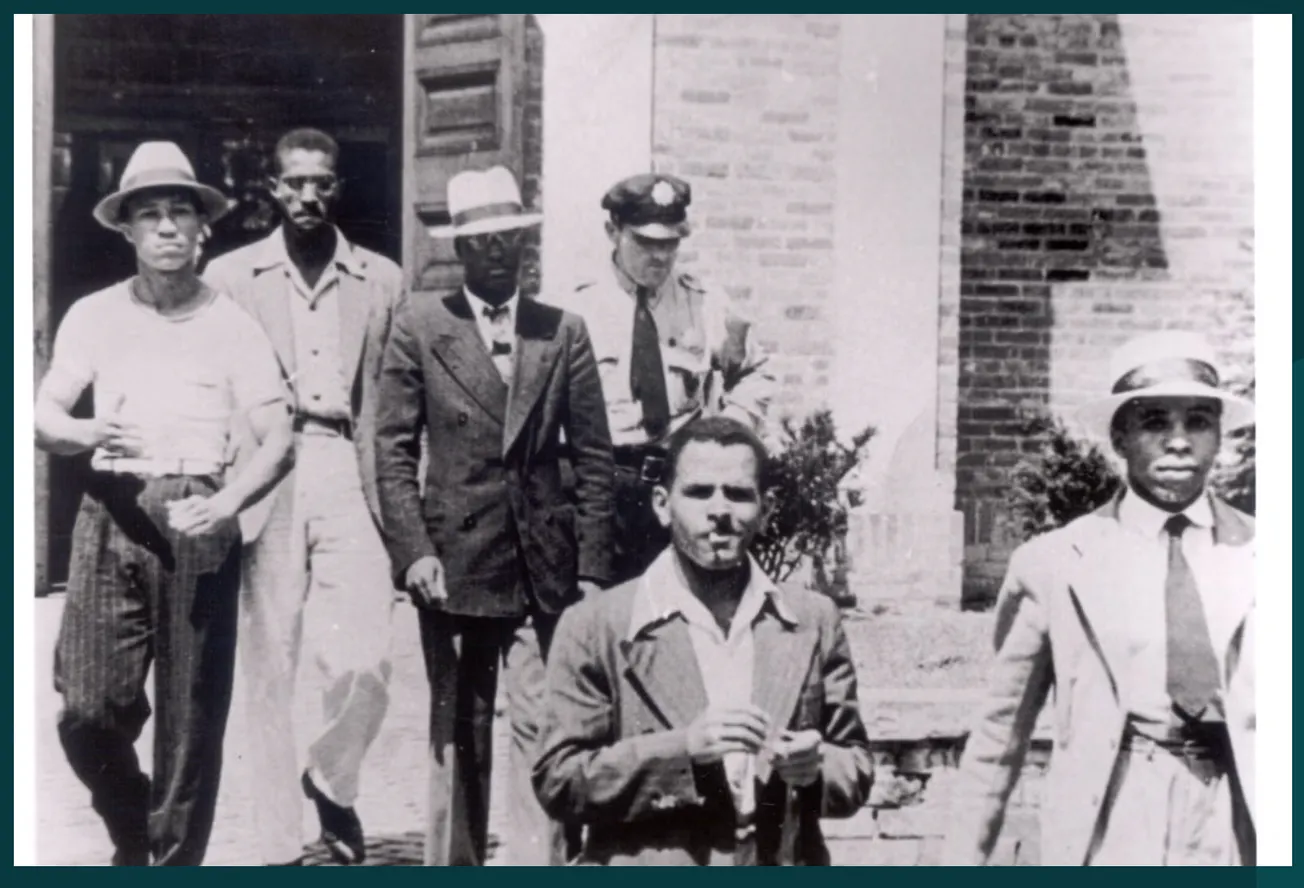
On Aug. 21, 1939 — the second anniversary of the library's opening — five young Black men entered what was then simply the Alexandria Library, at 717 Queen St., requested library cards, were refused and sat down to read. All five were arrested. The demonstration is the earliest recorded sit-in protesting segregated access to a public library in the United States, predating the lunch-counter protests of the 1950s and '60s by roughly two decades.
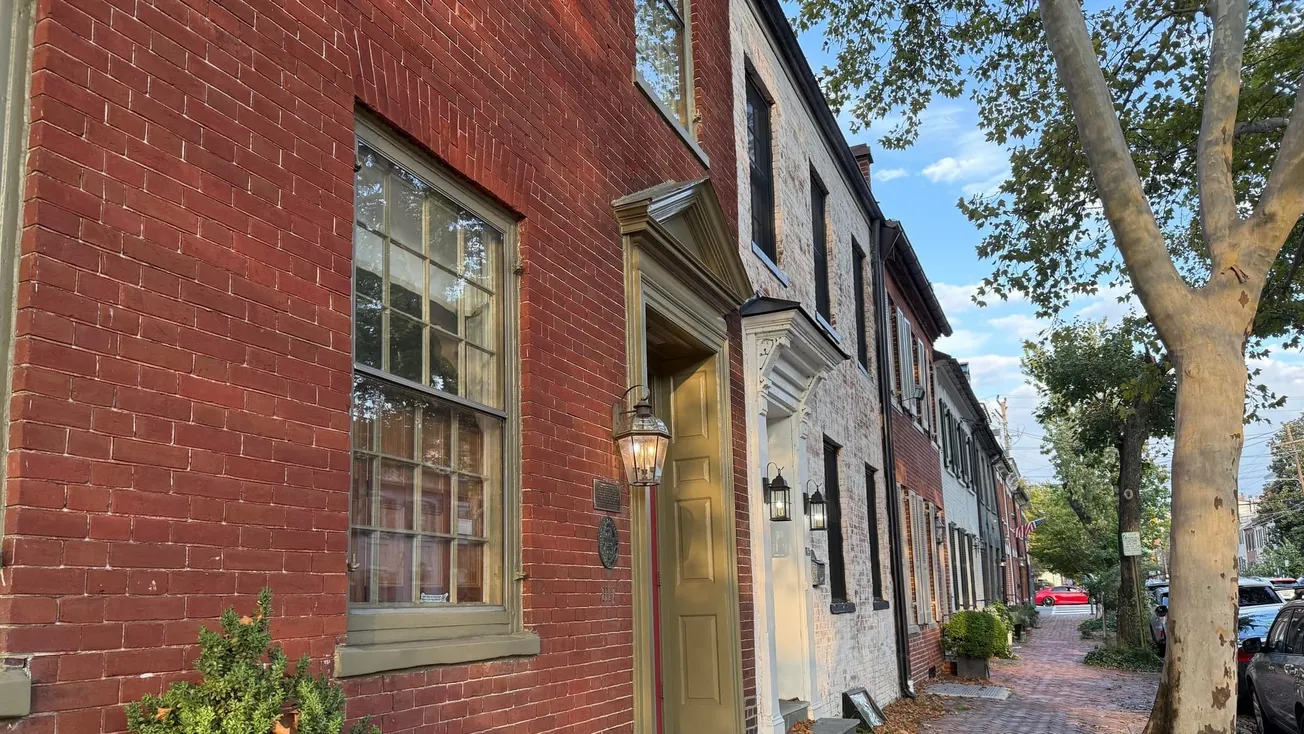
The building, the city's only library at the time, is now the Alexandria Library's Kate Waller Barrett Branch. In response to the protest, the city opened the Robert H. Robinson Library for Black residents in 1940 rather than desegregate — a one-room building that today houses the Alexandria Black History Museum, one of the exhibit's partners.
"Alexandria's 1939 sit-in is an important story that most Americans don't know," said Audrey Davis, director of the African American History division at the Office of Historic Alexandria. She described the demonstration as an early fight over equal access to knowledge, one she said continues today.
The exhibit will let users follow the events through the perspectives of the young people who organized the protest, according to New America. It will also link to supporting material including oral history videos, photographs, meeting minutes and scanned correspondence from the 1930s.
Lisa Guernsey, New America's senior director of birth through 12th grade policy and the project's lead, said the sit-in helped lay the groundwork for later civil rights victories and deserves wider recognition.
Rose Dawson, executive director of the Alexandria Library, acknowledged the institution's own role in the history. "The Library has not always been on the right side of history," she said, describing the partnership as part of how the library confronts its past.
The exhibit is being built by Reingold, an Alexandria-based communications and web development firm. While it will be available online anywhere, the city plans to feature it in physical spaces as well, including the Alexandria Black History Museum and the library's branches.
The grant extends work New America has been doing on the sit-in since at least 2023, including recorded video interviews, public events, teaching materials and a digitization project at the Alexandria Library that opened up documents related to the protest. Alexandria City Public Schools is among the project's partners, along with the Alexandria Black History Museum and New American History. An advisory board of historians, authors and educators includes Davis and Dawson.
New America and its partners will hold a free virtual panel, "Learning from a 1939 Library Protest," from noon to 1 p.m. on Aug. 21, the 87th anniversary of the sit-in. The discussion frames the story against the nation's 250th anniversary and the question of how Americans examine difficult parts of their history.
Scheduled speakers include Davis, Dawson and Guernsey; Ted Johnson, who directs New America's Us@250 Initiative and writes a column for The Washington Post; Annie Evans of New American History at the University of Richmond; Jennifer Over, a vice president at Reingold; project consultant Jazmyne Owens; and Nancy Noyes Silcox, who wrote a biography of Samuel Wilbert Tucker, the Alexandria attorney who organized the 1939 protest.
The project has also drawn funding from Virginia Humanities, the National Historical Publications and Records Commission, the National Endowment for the Humanities and the William and Flora Hewlett Foundation.