Table of Contents
by Jeff Bennett, Virginia Mercury
September 1, 2026
On Aug. 28, 1899, hundreds of Black residents of Alexandria, Virginia, gathered at Shiloh Baptist Church after a white mob lynched 16-year-old Benjamin Thomas. On Friday night, August 28, 2026, exactly 127 years later, I sat inside the same church as Alexandria gathered there again.
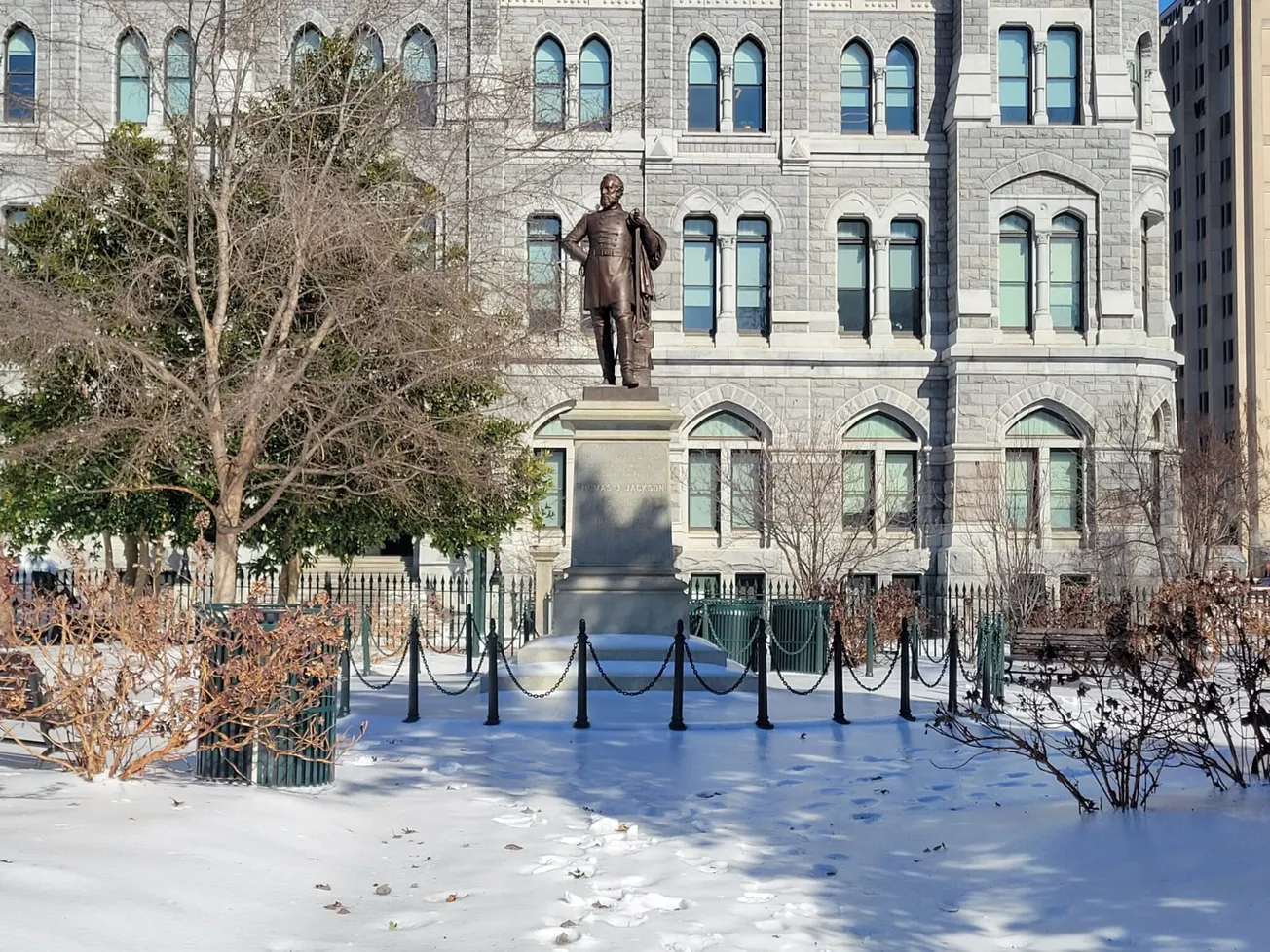
The same day, about 100 miles south, workers in Richmond were removing three Confederate memorials from Capitol Square, statues honoring Thomas J. “Stonewall” Jackson, former Virginia governor and Confederate general William “Extra Billy” Smith, and Confederate physician Hunter Holmes McGuire.
The coincidence was difficult to ignore. In Richmond, Virginia was reconsidering whom it had placed on pedestals. In Alexandria, a community was remembering someone history nearly forgot.
Together, the two events posed a larger question: Once we decide whom we should no longer venerate, whom do we choose to remember instead?
Benjamin Thomas offers one answer. Thomas had joined Shiloh as a young teenager and was baptized there. On Aug. 7, 1899, he was arrested after being accused of assaulting a 7-year-old white girl.
Black community leaders warned police and the mayor that Thomas had been threatened with a lynching. When authorities ignored them, Black Alexandrians attempted to protect Thomas themselves.
New information in 138-year-old Virginia Beach lynching shatters state’s genteel veneer
The police arrested them. The next morning, according to the remembrance program, the men who had tried to protect Thomas were tried, fined and sent to the chain gang.
That night, the mob came. It seized Thomas from the city jail, dragged him roughly half a mile through Alexandria and lynched him at King and Fairfax streets.
Black Alexandria responded. African American domestic workers in Alexandria and Washington, D.C. stopped working. The Black press documented what had happened. The community raised money. Churches organized.
And on Aug. 28, Black Alexandrians gathered at Shiloh to remember Thomas, proclaim his innocence and protest lynching. The Evening Star newspaper described what was taking place that night as a “mass meeting.”
They had come to mourn. But they had also come to mobilize.
Alexandria Mayor Alyia Gaskins captured that tradition during last Friday night’s remembrance when she imagined what Thomas’s grieving mother needed after losing her child.
There were “other mommas who showed up to mourn and to mobilize,” Gaskins said, not only for Thomas but to make sure other children might have a better future.
Mourn and mobilize. Those words may be as useful an action plan for civil rights defense in uncertain times as any.
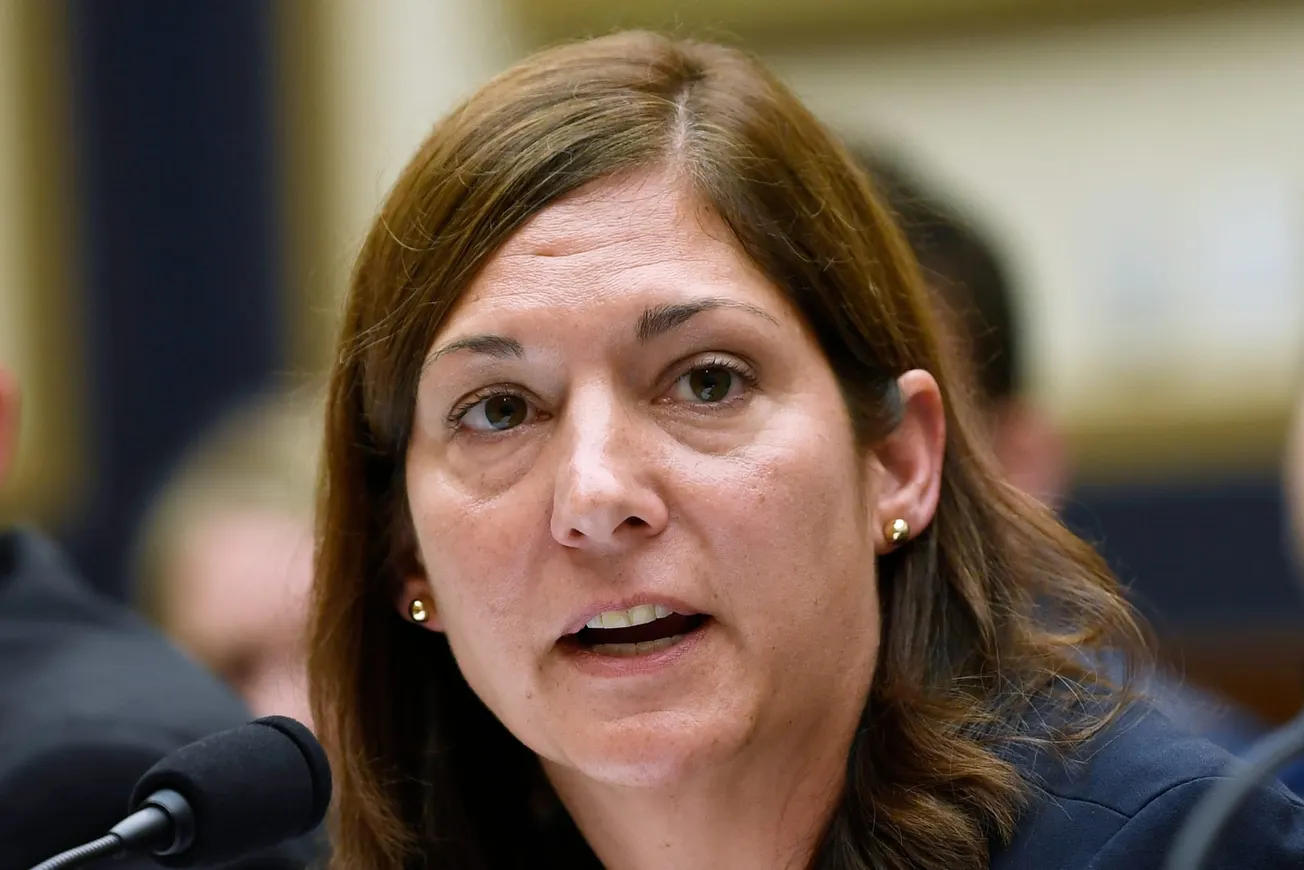
That history became especially relevant Friday when Myesha Braden, deputy general counsel of the NAACP, addressed the congregation. Braden knows something about what happens when hatred moves beyond rhetoric.
Before joining the NAACP, she served as an associate deputy attorney general at the Justice Department, where her responsibilities included oversight of the Civil Rights Division and Community Relations Service.
Earlier in her career, she prosecuted civil-rights cases and helped lead the federal prosecution arising from the hate-crime killing of Luis Ramirez, a 25-year-old Mexican immigrant in Shenandoah, Pennsylvania.
“The mob is a tool,” Braden told us. “The mob is a method.”
She traced that method across American history, from racial violence in Wilmington and Tulsa to the attacks in Charleston and Buffalo.
“Different faces, different decades, same tool,” she said.
But Braden also offered the counterweight.
“The struggle for civil rights is a discipline,” she said. “It’s a discipline that has to be practiced generation after generation.”
Alexandria itself demonstrates how much has changed. A Black woman now serves as mayor of a city where a white mob once murdered a Black teenager. The city publicly commemorates Thomas. Historians, churches and community members have worked to restore stories once neglected or suppressed.
And inside the program I held Friday was another measure of that progress. Each year, the Alexandria Community Remembrance Project awards two Alexandria City High School seniors $3,000 scholarships in the names of Thomas and Joseph McCoy, another Black teenager lynched in Alexandria.
The program describes the scholarships as part of Alexandria’s commitment to acknowledge past injustices while “investing in our youth and the future.”
There is something profound in that transformation. A Confederate general once received a pedestal. A lynching victim now gives a student a scholarship.
Thomas was denied his future at 16. Today, his name helps another Alexandria teenager build one.
Virginia cannot undo what happened to Thomas. It cannot restore the years he never lived, the family he might have raised, the work he might have done or the person he might have become.
But remembrance can do more than preserve the circumstances of his death. It can give his name work to do among the living.
That, too, is mobilization.
Virginia Mercury is part of States Newsroom, a nonprofit news network supported by grants and a coalition of donors as a 501c(3) public charity. Virginia Mercury maintains editorial independence. Contact Editor Samantha Willis for questions: info@virginiamercury.com.
Jeff Bennett is a writer and author whose work explores the intersections of race, policy, culture, and history. He received a bachelor's degree in English from Virginia Military Institute and is the author of The Black Belt of Virginia: Untold Stories of African American History. He can be reached at jeffbwrites@gmail.com.