
Table of Contents
ALEXANDRIA, Va. — U.S. Sen. Mark Warner said Thursday that data centers are the issue he hears about most from central and Northern Virginia voters, behind only gas prices, and that he is pushing for federal rules to keep their rapid growth from driving up residents' electric bills.
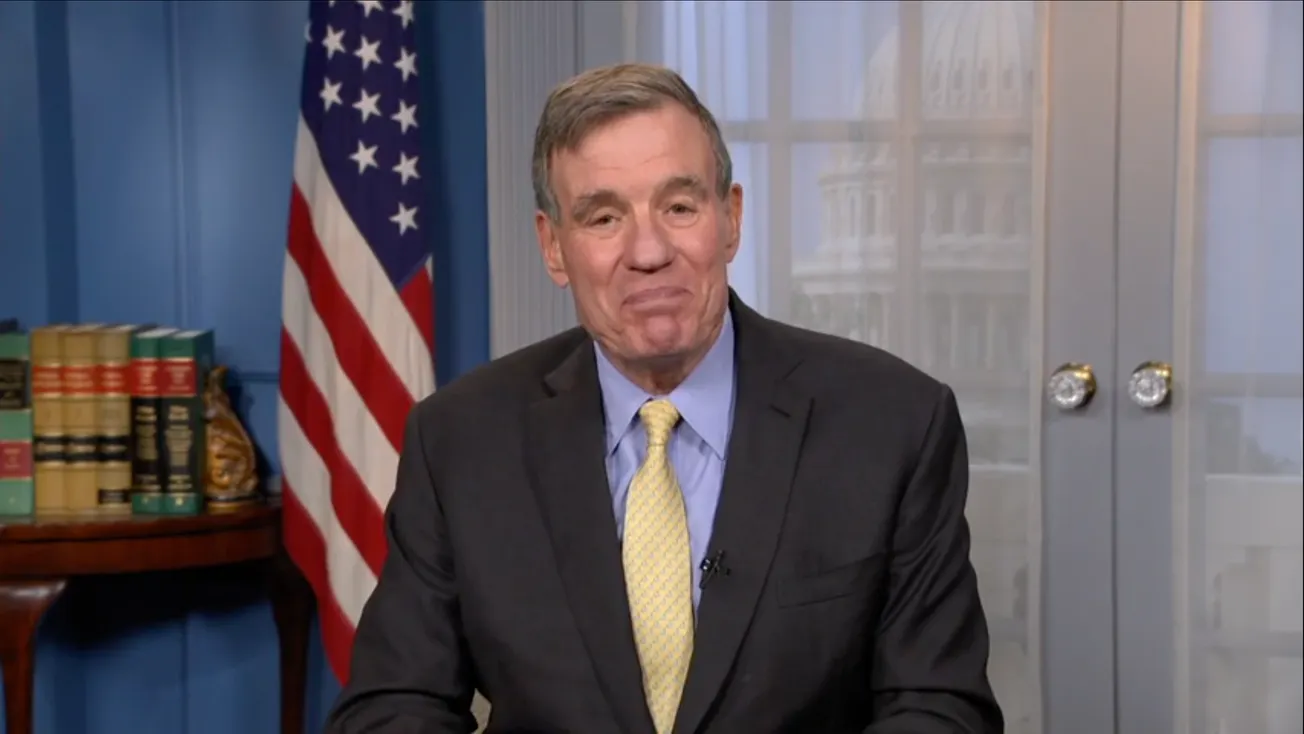
Speaking at his weekly media availability from the U.S. Capitol, the Virginia Democrat said he supports the Power for the People Act, a bill from Sen. Chris Van Hollen, D-Md., that he said would require new data centers to show they are not drawing power in ways that raise energy costs for nearby consumers. Warner called it a good first step and said he plans to introduce more comprehensive legislation of his own.
Warner said federal standards would be preferable to a state-by-state approach because they would apply nationwide and "level the playing field," while still allowing states to add their own incentives or restrictions. He said any framework should address not only electricity costs but also data centers' water use, setbacks from roads and homes, and the backup generators many facilities run when their main power source is offline — which he described as a pollution and health risk when fueled by diesel.
He stressed that land-use decisions should remain with localities, not the federal government, pointing to Hanover County, where the board of supervisors recently rejected a large data center proposal. The board voted 4-3 on May 27 to deny a roughly 430-acre project known as the Mountain Road Technology Park, following months of resident opposition over water use, power demand and the county's rural character. Warner also called for scrutiny of the nondisclosure agreements localities sometimes sign to attract data centers, which he said can obscure how much power and water a facility will use.
The federal push parallels a fight Alexandria is waging closer to home over the utility bills residents already pay. Mayor Alyia Gaskins said last week that the city has intervened in four cases before the State Corporation Commission — including two involving Dominion Energy, the region's electric utility — with the goal of keeping any rate increases "as low as possible." Rising electricity demand from data centers is among the pressures pushing utility costs higher across the state. Gaskins framed the city's effort as a response to economic strain on residents, saying any increase is "really hard for our families and our community right now."
 Ryan Belmore
Warner likewise framed the data center issue around affordability, noting that Virginians face rising costs for energy, gas and groceries. He said he expects to release a broader proposal addressing consumer protections, national security and workforce retraining, arguing that major technology companies should help fund retraining for workers whose jobs are displaced by artificial intelligence.
The senator also used the availability to sharply criticize President Trump's appointment of Bill Pulte, the Federal Housing Finance Agency director, as acting director of national intelligence, saying Pulte lacks national security experience and questioning his fitness for the role. Those remarks reflect Warner's position as vice chairman of the Senate Intelligence Committee; the White House has defended its personnel decisions, and the appointment would be subject to debate in the Senate.
Warner took questions from Virginia reporters on a range of other topics, including the renewal of a key surveillance authority and a War Powers resolution.
The Alexandria Brief has no ads, no paywall, and no corporate owner. Support this work with a monthly or annual subscription, or a one-time contribution.