Table of Contents
ALEXANDRIA, Va. — Alexandria City Public Schools opens the 2026-27 school year Monday, with a new acting superintendent, a new principal at the state's largest high school, redrawn attendance boundaries taking effect for the first time and new walk zones that end bus service for some students.
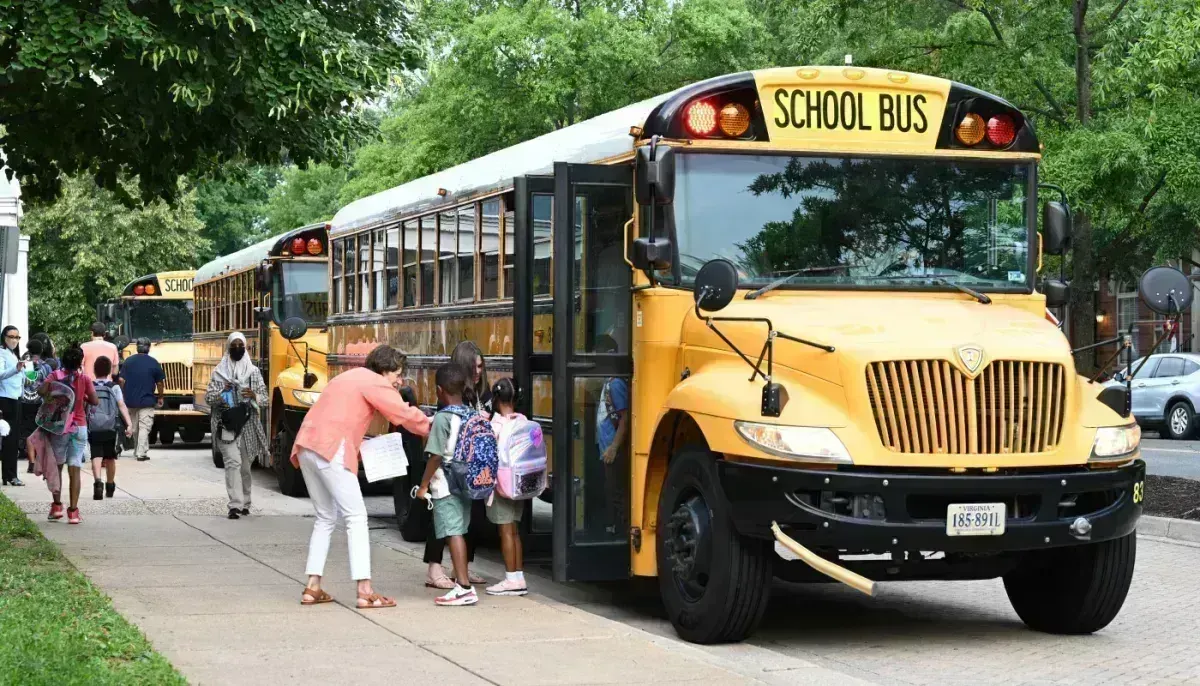
Acting Superintendent Dr. Grace Taylor will start her day before dawn at the ACPS transportation depot on Wheeler Avenue, greeting bus drivers as they head out on their routes.
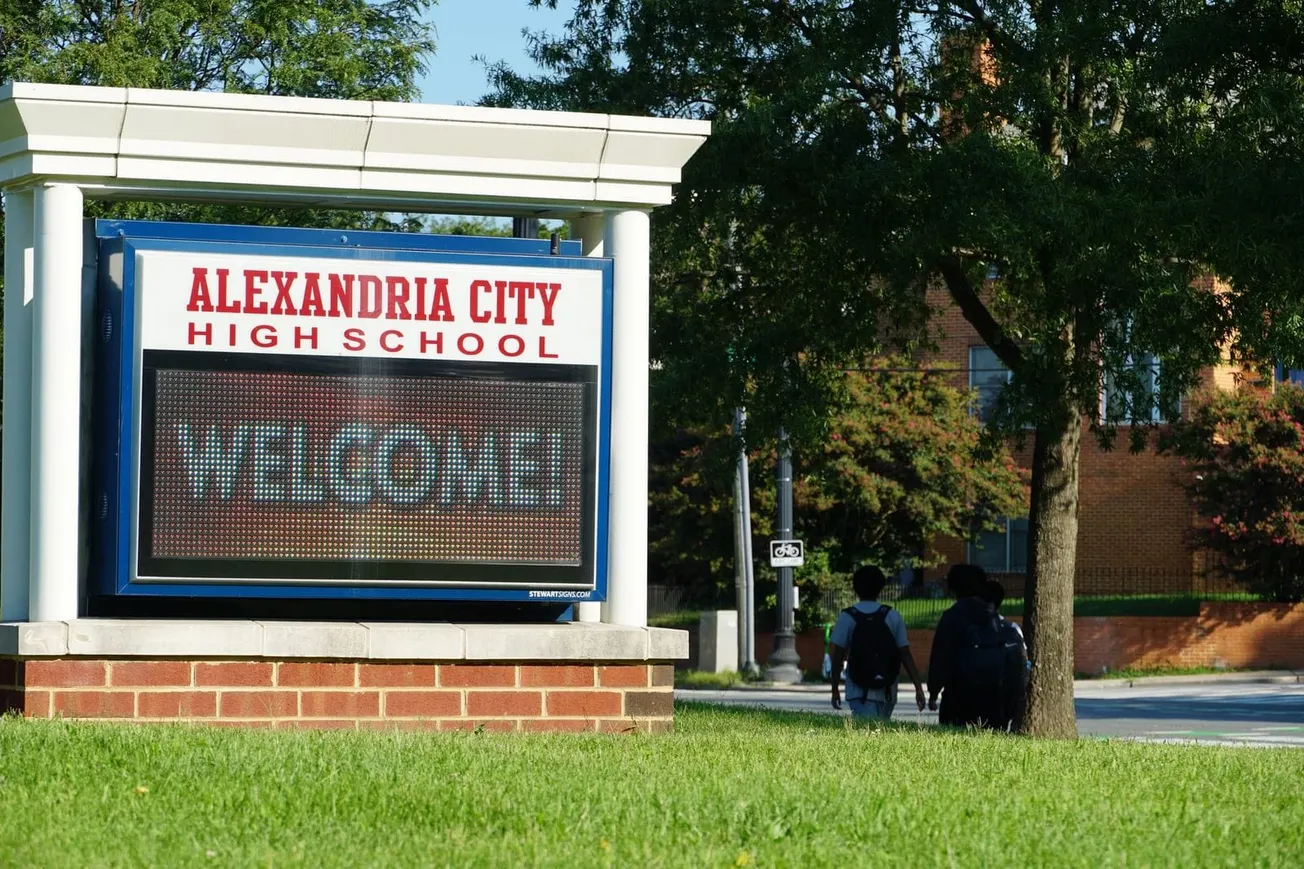
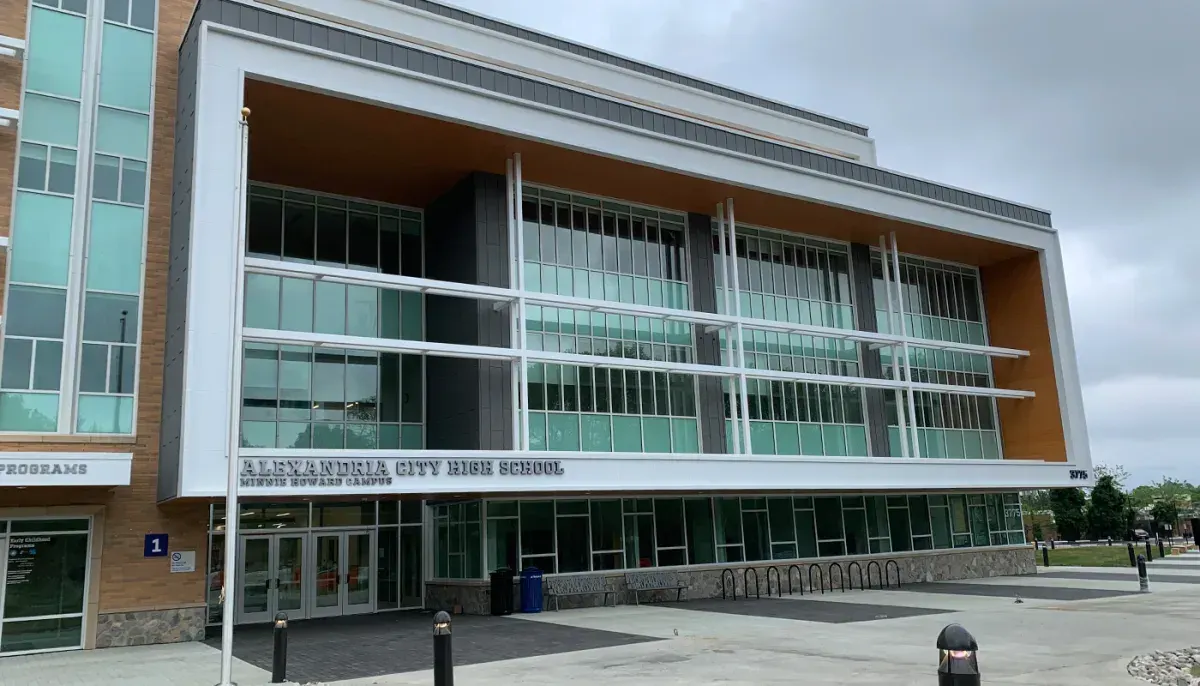
Later that morning, a drumline and cheerleaders will meet students arriving at Alexandria City High School's King Street campus. Taylor, School Board Chair Christopher Harris, new ACHS Principal Michael Burch, Mayor Alyia Gaskins and Police Chief Tarrick McGuire are scheduled to speak. City Manager Jim Parajon will attend, and division and city leaders plan to visit classrooms afterward. City Council members and community partners will help welcome students at King Street and at schools across the division.
ACPS enrolled 15,928 students across 18 schools as of September 2025, the most recent count the division publishes.
Boundaries take effect
Monday is the first day under attendance zones that grew out of a boundary analysis the School Board initiated in June 2023 and approved June 12, 2025. The division has said roughly 1,400 enrolled students were affected by the new boundaries, which took legal effect July 1.
ACPS said summer planning focused on implementing the changes, which the division said will distribute students more proportionately across schools and ease capacity pressures, letting staff concentrate on instruction.
The division has not released updated figures this week. As of a March implementation update, 860 students were set to change schools this year — either because they live in a redistricted area or because they are returning to a boundary school from a capacity transfer — while 333 families chose a deferral allowing their children to stay put.
Deferrals were available to families of students in certain grades, including current fourth and seventh graders and some of their siblings. The deadline to request one was Jan. 15.
Some riders become walkers
Less visible than the new maps, but more immediate for some families, is a second change: ACPS redrew its walk zones to match the new boundaries, and the division has acknowledged that the result ends bus eligibility for some students.
The underlying policy did not change. Students in grades K-8 who live within one mile of their assigned school are designated walkers, as are high school students within 1.5 miles, unless an unusual walking hazard is identified or an exception is granted. What changed is where the lines fall. ACPS said one guiding principle of redistricting was to build neighborhood schools where more students could walk, and that applying the existing policy uniformly across the new boundaries means some students who previously rode the bus are now walkers.
The division said it spent seven months working with the city's Department of Transportation and Environmental Services to evaluate walking routes, reviewing sidewalks, crosswalks, traffic signals, traffic patterns, crash and safety data, locations with a history of pedestrian concerns and recent infrastructure improvements. Where the review found unusual hazards, ACPS said, walk zones were adjusted. Distances were calculated using the city's GIS sidewalk data, which the division noted can differ from results in consumer mapping apps. The walk zone maps were last updated July 20.
ACPS said notifications about transportation eligibility go to families through ParentSquare and the U.S. Postal Service, and that official schedules and bus routes became available Wednesday. The division's attendance zone locator now includes a feature letting families enter an address to check whether a student qualifies for a bus. Students in the division speak 127 native languages; ACPS said last year's redistricting placement letters were sent in each family's preferred language.
Families who believe a route is unsafe may submit a Walk Zone Bus Service Request. ACPS said prior transportation exceptions do not carry over and must be resubmitted for this year, and that final decisions on requests will be communicated on or before Sept. 30 — more than five weeks into the school year. Questions about a specific student's eligibility or bus assignment go to the ACPS Transportation Office at 703-461-4169 or the division's school boundaries page.
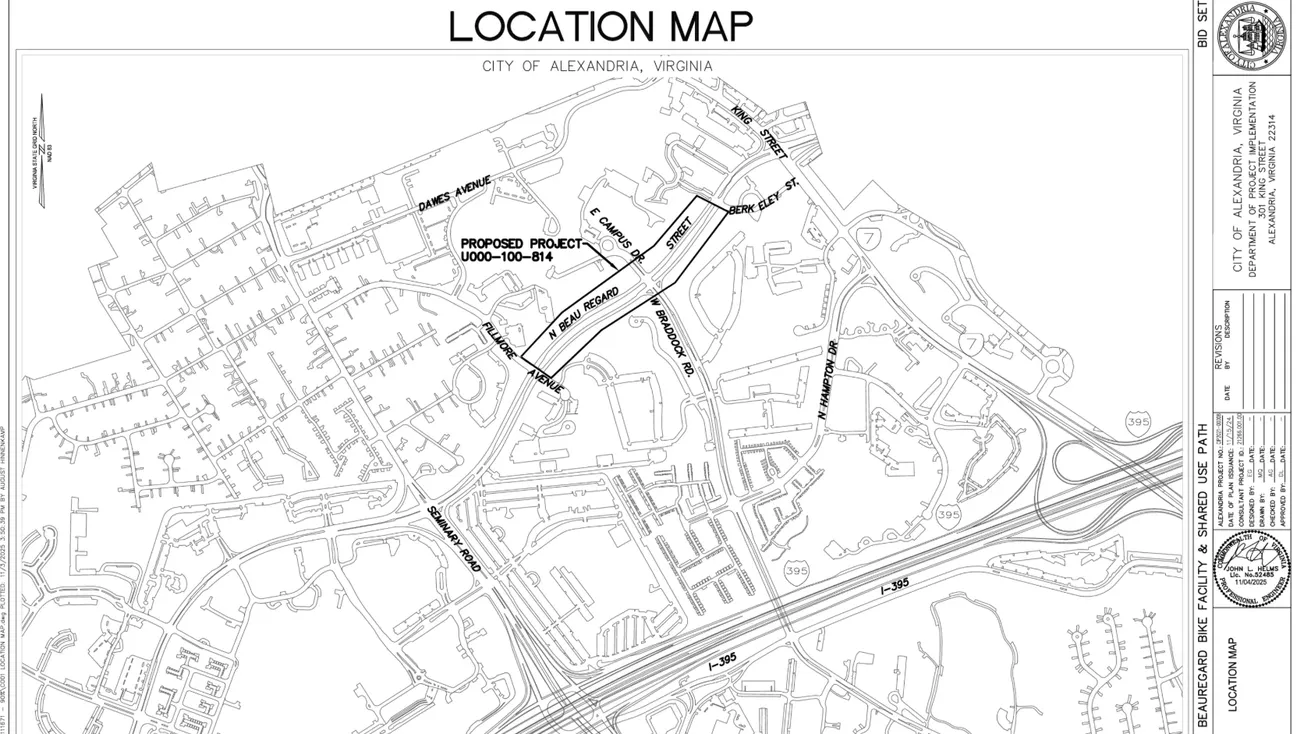
Students zoned to George Mason Elementary School are an exception. While the building is under renovation, all George Mason students will continue to receive bus transportation to the temporary swing space on North Beauregard Street this year.
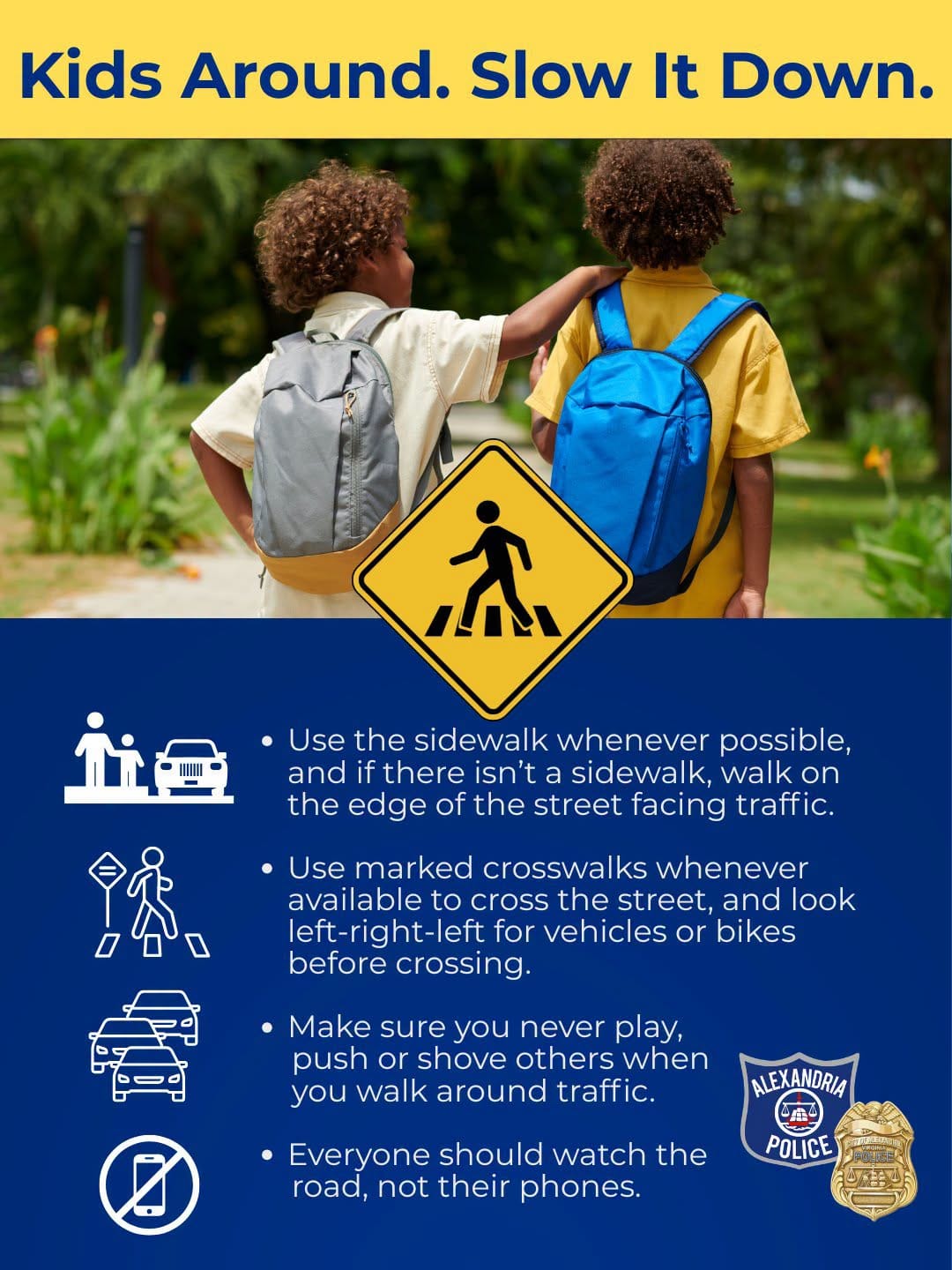
The Alexandria Police Department posted a pedestrian safety appeal Friday aimed at drivers, saying walking to school should not be dangerous and urging motorists to slow down and stay alert. The accompanying graphic, shared with the school division's Spanish-language account, tells students to use sidewalks where they exist and to walk facing traffic where they do not, to cross at marked crosswalks and look left-right-left, to avoid horseplay near traffic and to watch the road rather than their phones.
Automated enforcement resumes the same day. The city's six school zone speed cameras begin issuing $100 citations Monday to drivers who speed through the monitored zones, which carry a 15 mph limit when the signs are flashing. The cameras are on King Street, Braddock Road, Seminary Road, Mount Vernon Avenue, and two stretches of North Beauregard Street. The city are testing the flashers and camera systems Friday without issuing citations.
A new leadership team
Taylor is leading the division on an acting basis after the School Board named her Aug. 12 and modified former Superintendent Dr. Melanie Kay-Wyatt's separation agreement so her service ended that day, seven weeks before the Oct. 1 departure the board announced in March. Kay-Wyatt had been under contract through 2028. The board is searching for a permanent superintendent with the national firm HYA.
Burch, a longtime ACPS administrator, took over July 1 at a four-campus high school that has seen repeated leadership turnover. At his first community meeting in July, he told about 50 parents he intends to finish his career at ACHS.
The School Board has new leadership as well. Members unanimously elected Harris chair at their annual organizational meeting July 9, elevating the District C representative from vice chair and succeeding Dr. Michelle Rief, who had led the board since 2023 and did not seek the post again. Alexander Crider Scioscia was elected vice chair, also unanimously. Both terms run one year.
Three students will serve as the board's student representatives this year: Walter Montiel Piche, Leslie Eyeson and Sydney Robasson. ACPS said they will bring student perspectives to the board through the 2026-27 school year.
Before Monday
Samuel W. Tucker Elementary School is already a month into its year. Its 712 students started July 27 on an extended-learning calendar that adds roughly 20% more instructional time.
The Alexandria Health Department has urged families to book physicals, vaccines and sports clearances, noting that late-summer appointments fill quickly and that Virginia is experiencing a measles outbreak with more than 150 confirmed cases.
ACPS has also asked families of new students to complete registration rather than wait, saying late sign-ups complicate classroom planning, teacher hiring and class sizes.